
IMF program is a whole-of-government program, not a Finance Division program

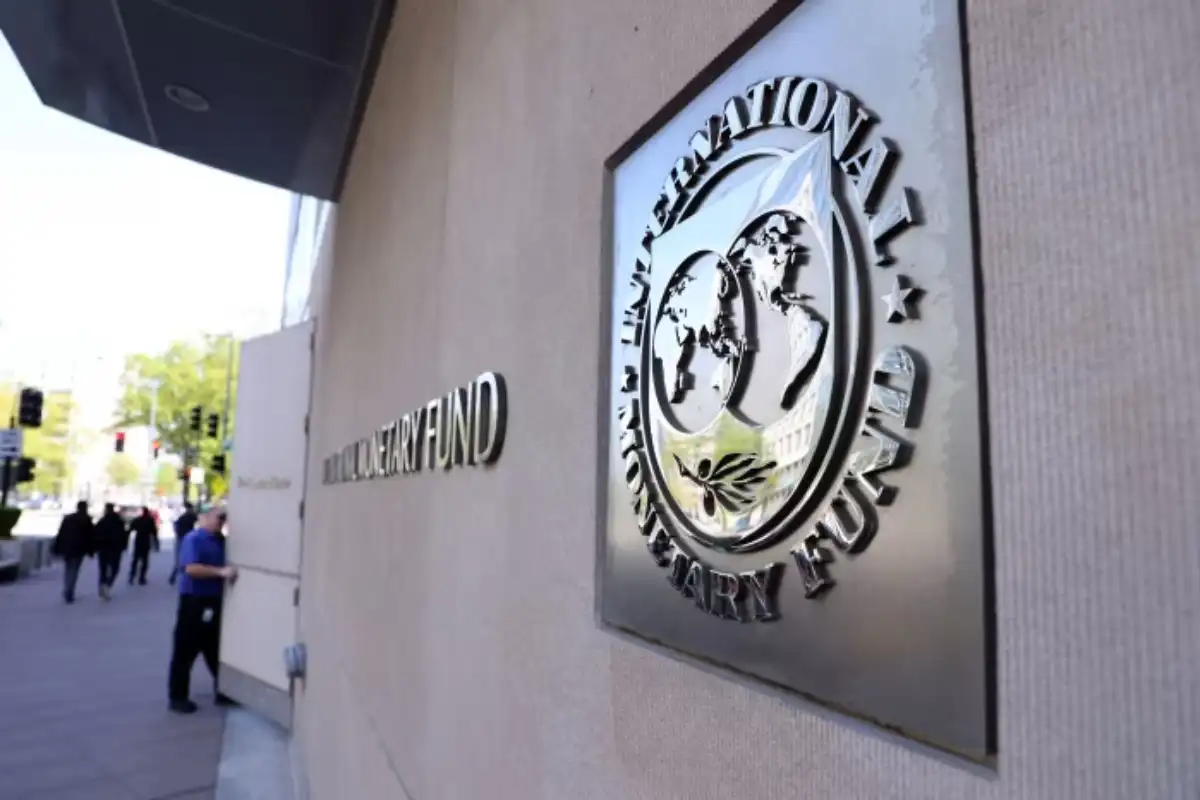
Pakistan Expected to Receive $1.2 Billion IMF Tranche After Executive Board Review
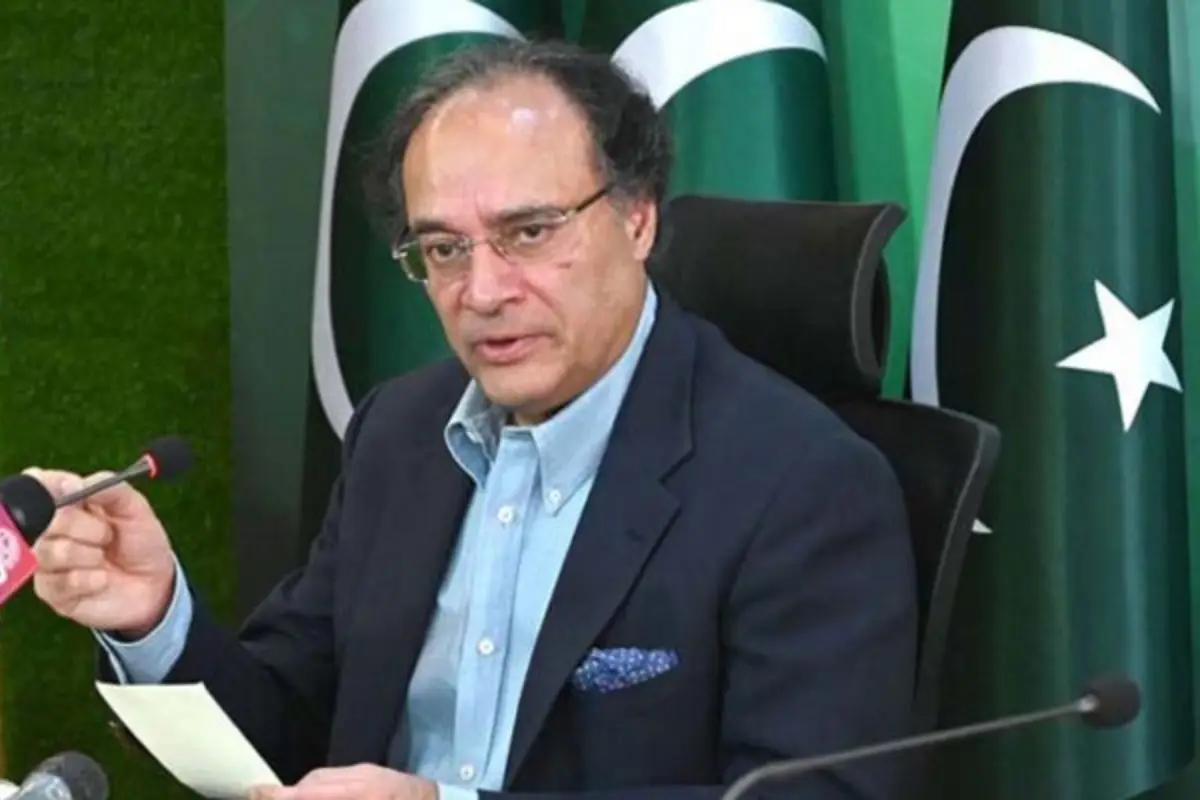
Islamabad: The characterization that the Ministry of Finance has maintained “tight control” over program design and negotiations does not accurately reflect the institutional arrangements underlying Pakistan’s IMF program. IMF’s EF and RS facilities encompass reforms and commitments falling within the mandates of multiple federal and provincial institutions, including Finance Division, Planning Commission/Ministry of Planning, Ministry of Energy, provincial governments, FBR, SBP and other relevant stakeholders. Concerned ministries and institutions participate and lead technical discussions, including benchmarks setting relating to their respective mandate.
IMF program is demonstrably not confined to ‘numbers’ or fiscal targets. Finance Division fully recognizes that macroeconomic stabilization is a mean towards sustainable and inclusive economic growth. Even, the published IMF program explicitly encompasses growth-enhancing structural reforms, social protection, governance, energy sector efficiency, climate resilience and reduction of distortions in economy. The latest IMF staff report specifically states that policy discussions focused on accelerating reforms to support stronger growth, while protecting vulnerable households.
Petroleum Levy (PDL) is not the “central point” of the IMF program.The assertion that Finance Division has made PDL the “central point” of the IMF program is misleading. The program fiscal strategy is substantially broader and revolves around FBR revenue mobilization, expansion of tax base, provincial taxation, expenditure rationalization etc. For FY27, the program specifically emphasizes additional revenue mobilization and strengthening FBR performance rather than relying solely on petroleum taxation. PDL is one of the revenue instruments and describing it as center piece of program materially overstates its role.
‘No IMF conditionality relating to petroleum levy pricing’, this formulation is technically narrow and potentially misleading. While the program does not prescribe a single permanent headline PDL rate in the manner suggested, published program documents contain explicit details concerning petroleum pricing and levies. These include alignment of domestic fuel prices with international prices through regular adjustments. The RSF also included a specific reform measure introducing a supplementary carbon levy through the PDL framework.Thus, petroleum pricing policy forms part of the agreed program framework, rather than being a unilateral fiscal strategy developed solely by Finance Division.
Also, linking PDL directly to inflation, unemployment, poverty and low growth is analytically incorrect and attributes broad macroeconomic outcomes to a single fiscal instrument. Pakistan’s inflation and growth outcomes reflect multiple factors, importantly prevailing geo-political situation along with domestic and international commodity prices, exchange-rate movements, monetary conditions, fiscal imbalances, external financing constraints and global shocks.
Fiscal stabilization cannot credibly be separated from growth. Pakistan entered the program with limited fiscal and external buffers and significant financing requirements. Restoring fiscal sustainability, rebuilding reserves and reducing refinancing risks are necessary conditions for durable private investment and growth. The IMF’s third-review documents record that fiscal consolidation contributed to reducing macroeconomic imbalances and demand pressures, supported disinflation, and external-sector stabilization through reserve build-up and recovery in overall growth numbers.
Also, Finance Division has not pursued fiscal consolidation without social safeguards, and supported the program to incorporates explicit floors and commitments for social protection, i.e., BISP targeted cash-transfer spending, inflation adjustment of unconditional cash-transfer benefits etc. The latest targeted fuel-subsidy program is another initiative, while being in an IMF program, on direction of the Prime Minister to protect vulnerable households through targeted, temporary and fiscally sustainable interventions, rather than untargeted subsidies that create large fiscal liabilities. Sovereign debt is contingent on fiscal imbalance, and in last financial year, debt growth has been limited to lowest levels in two decades.
Agriculture-related commitments are not exclusively with Finance Division. Agricultural income taxation, for instance, is constitutionally and administratively a provincial responsibility, and implementation necessarily involves provincial governments. Any assessment of these reforms should therefore distinguish between program coordination by Finance Division and constitutional/administrative responsibilities of the relevant governments and institutions.
Lastly, a clear distinction needs to be maintained between Finance Division’s responsibility for overall program coordination, and agreement on benchmarks with IMF leading to policy-making, legislative and implementation responsibilities of respective federal ministries and provincial governments. The appropriate policy debate is therefore not “stabilization versus growth”, but how to transition from stabilization towards sustainable growth without any fiscal and external imbalances that necessitated reverting to IMF stabilization programs, as witnessed in the past.
Catch all the Business News, Breaking News Event and Trending News Updates on GTV News
Join Our Whatsapp Channel GTV Whatsapp Official Channel to get the Daily News Update & Follow us on Google News.
Must Read