
Wasim Akram Hajj Video Controversy: Cricket-Style Rami Stoning Sparks Debate

Wasim Akram Hajj Video Controversy: Cricket-Style Rami Stoning Sparks Debate
Wasim Akram has bowled out the world’s best batsmen, led Pakistan’s pace attack through two decades of international cricket, and earned the title Sultan of Swing through sheer mastery of his craft. None of that prepared him — or his fans — for the scrutiny that followed a few seconds of footage from Mina, Saudi Arabia, in 2026.
The video is short. The debate it triggered is not.
What the Viral Video Actually Shows
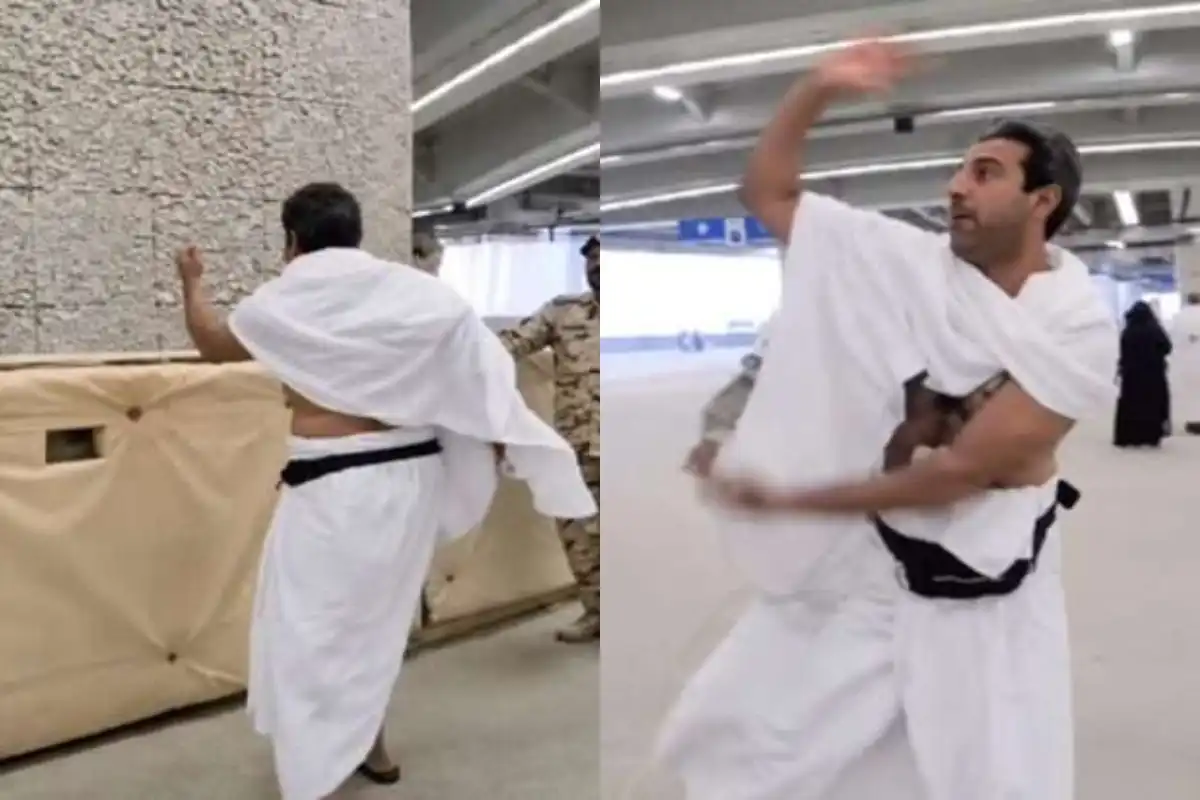
During the Hajj pilgrimage, Akram was filmed performing Rami al-Jamarat — the ritual stoning of the devil — at the Jamarat Bridge in Mina. The act requires pilgrims to throw a specific number of pebbles at three stone pillars, symbolizing Prophet Ibrahim’s (PBUH) rejection of Satan’s temptations.
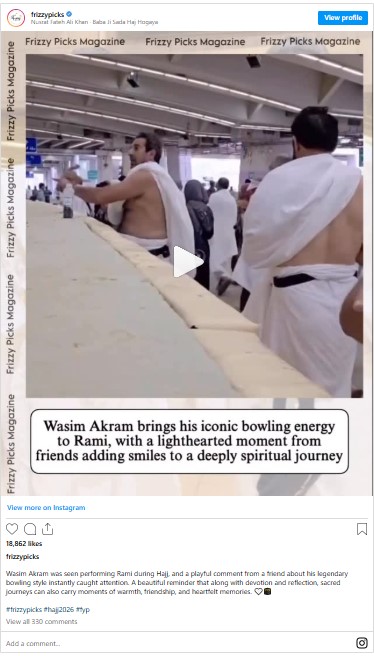
In the footage, Akram throws his pebbles using the same wrist-dominant, side-on release that defined his bowling career. Following the throw, he performs a brief celebratory gesture reminiscent of his on-field reactions after taking wickets.
For many viewers, the instinctive personality that made Akram beloved on a cricket pitch appeared jarring inside one of Islam’s most solemn obligatory acts.
Understanding Rami: Why Context Matters Enormously
To fully assess the controversy, it is essential to understand what Rami represents within Islamic practice. The ritual is not ceremonial or optional — it is one of the Wajibat of Hajj, meaning its omission requires a penalty sacrifice. Pilgrims throw seven pebbles at each of three pillars across specific days of Dhul Hijjah, collectively symbolizing humanity’s rejection of evil.
The ritual’s theological weight derives directly from the story of Ibrahim (PBUH), who physically drove away Satan when the devil attempted to dissuade him from obeying Allah’s command. Every pebble thrown is understood as a personal recommitment to that same rejection.
Islamic scholarship consistently emphasizes that Hajj rituals must be performed with khushu — a state of focused humility and spiritual consciousness. Outward comportment is considered a reflection of inward intention.
That is precisely where the criticism of Akram’s clip is rooted.
The Social Media Divide — and What It Reveals
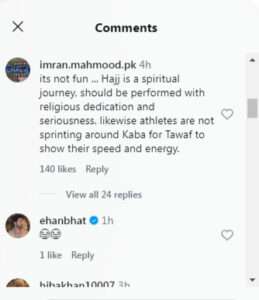
Reactions split along predictable but revealing lines. Critics argued that performing Rami with a bowling action and post-throw celebration trivializes a mandatory act of worship, regardless of intent. Several Islamic commentators noted that the issue is not whether Akram meant disrespect, but whether the behavior reflects the solemnity the ritual demands.
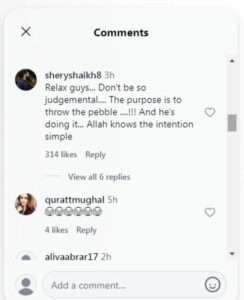
Defenders countered that Akram’s throw was technically valid, that his presence at Hajj itself demonstrates sincere faith, and that his personality — shaped by decades in professional sport — does not disappear at the Saudi border. Some supporters framed the criticism as excessive policing of a private spiritual journey.
Notably, Akram himself has not issued a public response to the controversy at the time of writing.



Celebrity Pilgrims and the Scrutiny They Invite
This is not the first time a prominent Muslim public figure’s Hajj conduct has generated debate. The convergence of mass social media documentation and sacred pilgrimage space creates an inherent tension — every moment is potentially filmed, shared, and judged by millions who were not present.
What makes the Akram case analytically distinct is that the behavior in question was not a violation of Hajj rules. It was a question of tone — and tone, in spiritual contexts, carries its own theological weight.
Catch all the Entertainment News, Breaking News Event and Trending News Updates on GTV News
Join Our Whatsapp Channel GTV Whatsapp Official Channel to get the Daily News Update & Follow us on Google News.
Must Read