Clive Davis Dies at 94 — From Columbia Records to Arista, a Career That Changed Music Forever

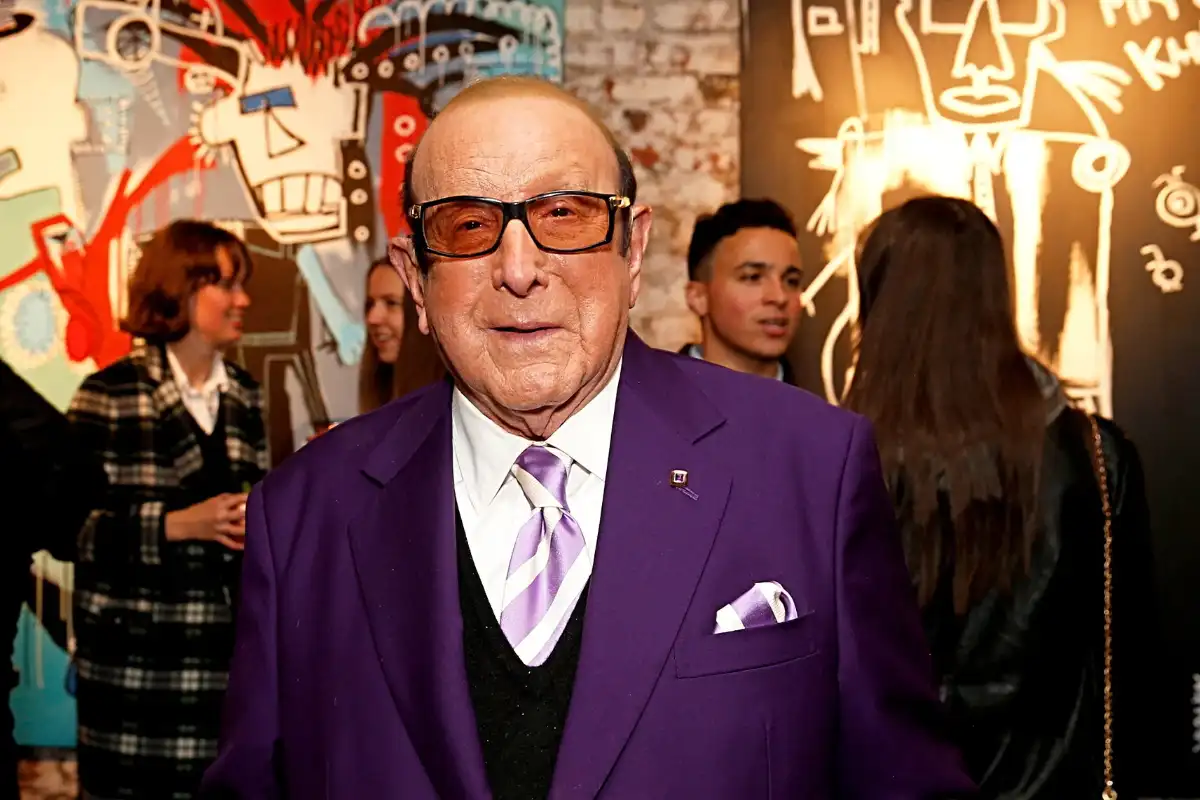
Clive Davis Dies at 94 — From Columbia Records to Arista, a Career That Changed Music Forever
The world of music has lost one of its greatest architects. Clive Davis, the visionary record executive whose unparalleled instinct for talent transformed the landscape of American pop, rock, R&B and hip-hop across more than six decades, has passed away at the age of 94. His family confirmed the news to the New York Times, reporting that Davis died peacefully at his home in Manhattan after having been recently hospitalised with respiratory problems.
Widely celebrated across the industry as “the man with the golden ear”, Davis possessed a rare and extraordinary ability to identify hit songs and nurture generational talent — a gift that made him one of the most powerful, beloved, and consequential figures in the history of recorded music.
A Career That Spanned Genres and Generations
What made Davis truly exceptional was not simply the scale of his success, but his remarkable adaptability across eras and genres. He could move effortlessly from the raw energy of 1960s rock — discovering Janis Joplin — to the groundbreaking world of 1990s hip-hop, where he mentored Sean “P. Diddy” Combs, and into 2000s pop, where he guided Kelly Clarkson to global stardom. Few executives in music history have remained not just relevant but genuinely influential across such a sweeping span of time and sound.
Over the course of his career, Davis won five Grammy Awards — four for producing works by Kelly Clarkson, Carlos Santana, and Jennifer Hudson, and a fifth in recognition of his broader contributions to the music industry. His revival of Carlos Santana’s career with the album Supernatural resulted in a staggering nine Grammy wins in 2000, one of the greatest comeback stories in music history. He similarly engineered career revivals for Rod Stewart, Aretha Franklin, and Dionne Warwick.
From Brooklyn to Columbia Records
Davis was born on April 4, 1932, in the New York borough of Brooklyn. As a child, he harboured no particular passion for music and, by his own admission, did not even collect records the way his friends did. His path into the industry came through law — he graduated from New York University and Harvard Law School, worked at private law firms, and eventually joined the legal department at Columbia Records in the early 1960s.
His first significant act at Columbia was keeping Bob Dylan at the label when his management had attempted to void his contract — a move that signalled Davis’s sharp instincts even before he stepped into an executive role. By 1966, he was named head of Columbia Records, taking charge of a label that had largely failed to capitalise on the exploding rock-oriented youth market.
The Monterey Pop Festival — A Turning Point
Everything changed in 1967, when producer Lou Adler brought Davis to the Monterey Pop Festival in California. Davis would later describe that experience as
“the creative turning point in my life.”
Mesmerised by Janis Joplin’s electrifying performance, he signed her along with her band Big Brother and the Holding Company on the spot. In the years that followed, Davis transformed Columbia’s roster into a powerhouse, signing Bruce Springsteen, Aerosmith, Pink Floyd, Chicago, Billy Joel, Santana, Sly and the Family Stone, and Boz Scaggs — building one of the most formidable lineups in the history of American music.
Davis was not a passive executive. He took an intensely hands-on approach, working closely with artists in the studio, contributing to marketing strategies, and offering direct input on song selection. It was Davis who famously pushed Bruce Springsteen to include a radio-friendly hit on his debut album, a suggestion that led Springsteen to write “Spirit in the Night” and “Blinded by the Light.” Speaking about his philosophy in a Newsweek interview, Davis reflected:
“Talent comes to me because they believe I’ve established a creative haven in which they can flourish. And talent attracts talent.”
The Fall and the Rise — Birth of Arista Records
In 1973, Davis’s tenure at Columbia ended abruptly amid a corporate scandal involving allegations of financial impropriety. CBS fired him and filed a lawsuit over expense account irregularities. Davis later pleaded guilty to failing to pay taxes on job-related expenses and paid a fine of $10,000. But he was far from finished.
By 1974, Davis had secured backing to launch his own label — Arista Records — and immediately began demonstrating what made him irreplaceable. Barry Manilow became one of his earliest signings, delivering a run of major hits. At Arista, Davis also built a reputation for reviving faded careers, successfully relaunching the trajectories of Aretha Franklin, Dionne Warwick, Lou Reed, and others. Even punk icon Patti Smith — whose commercial appeal was limited — found a home at Arista under Davis’s watch.
Reflecting on Davis upon inducting him into the Rock and Roll Hall of Fame in 2000, Smith said:
“I really felt Clive, whatever his mainstream reputation … does love artists.”
The Whitney Houston Legacy
Without question, the defining chapter of Davis’s legacy is his discovery and shepherding of Whitney Houston. He found her as a teenager in 1983 and guided her career to record-shattering heights, producing a string of consecutive No. 1 hits that cemented her status as one of the greatest vocalists of all time. His work on Houston’s recording of “I Will Always Love You” from The Bodyguard — which held the No. 1 spot for 14 weeks and became one of the best-selling singles in music history — stands as his crowning achievement as a producer.
Houston’s death from a drug overdose in 2012 devastated Davis personally. In a heartfelt 2013 CNN interview, he described the loss:
“It rips your heart out, is what it does. We knew there was no one like her and it is very, very painful that this tragic, tragic talent so prematurely came to an early demise, really.”
Later Career and Personal Life
Davis went on to found J Records in 2000, where he achieved further success with Alicia Keys, Luther Vandross, and the acclaimed American Songbook series. Following a series of corporate mergers, he was appointed Chief Creative Officer of Sony Music Entertainment in 2008.
In his 2013 memoir, The Soundtrack of My Life, Davis revealed that he was bisexual, disclosing a 13-year relationship with a male doctor and confirming he was at the time in another long-term relationship with a man. Married and divorced twice, he is survived by four children.
Clive Davis did not simply work in music — he shaped it, generation by generation, with a dedication and passion that will echo through the industry for decades to come.
Catch all the Entertainment News, Breaking News Event and Trending News Updates on GTV News
Join Our Whatsapp Channel GTV Whatsapp Official Channel to get the Daily News Update & Follow us on Google News.
Must Read

Pakistan
Funeral Prayers Held for Major Hasnain Shahzad Humayun and Captain Abdul Samad
13-October،2026