
Air Chief Marshal Sidhu Reveals Pakistan Air Force “Kill Chain” Strategy Used Against Indian Fighter Jets

Air Chief Marshal Sidhu Reveals Pakistan Air Force “Kill Chain” Strategy Used Against Indian Fighter Jets
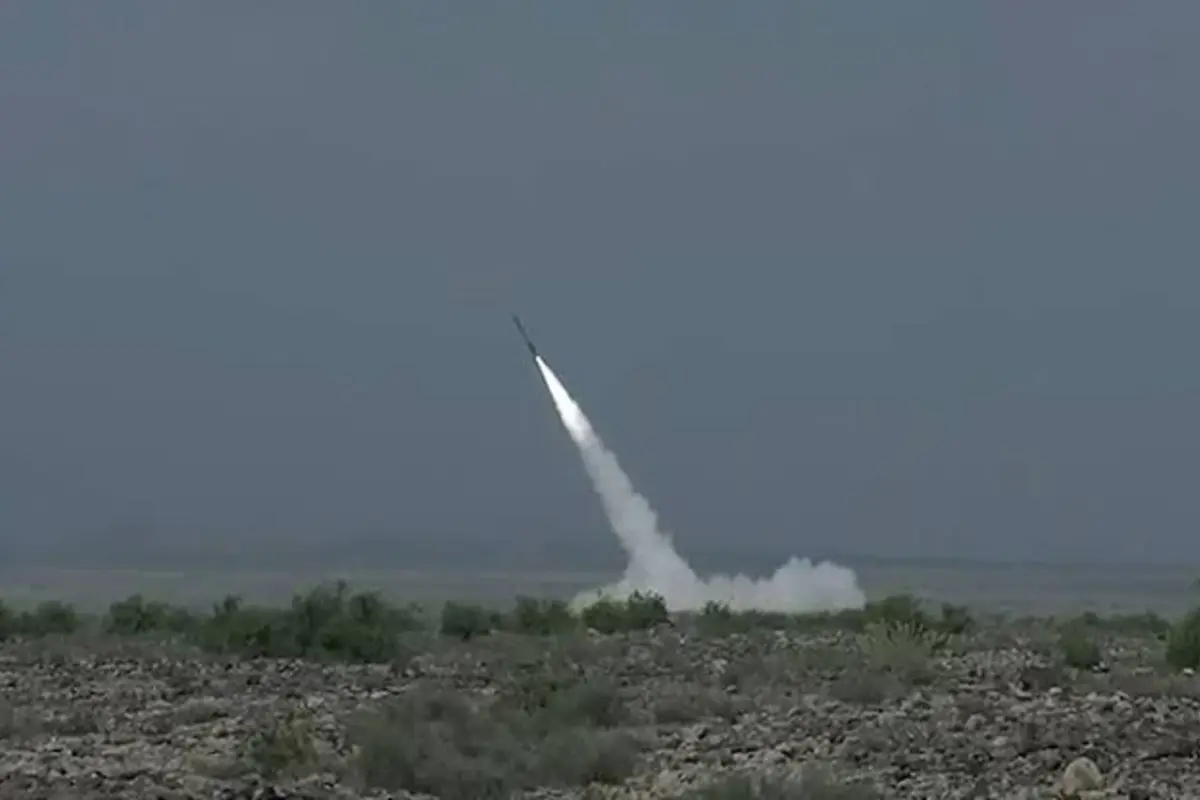
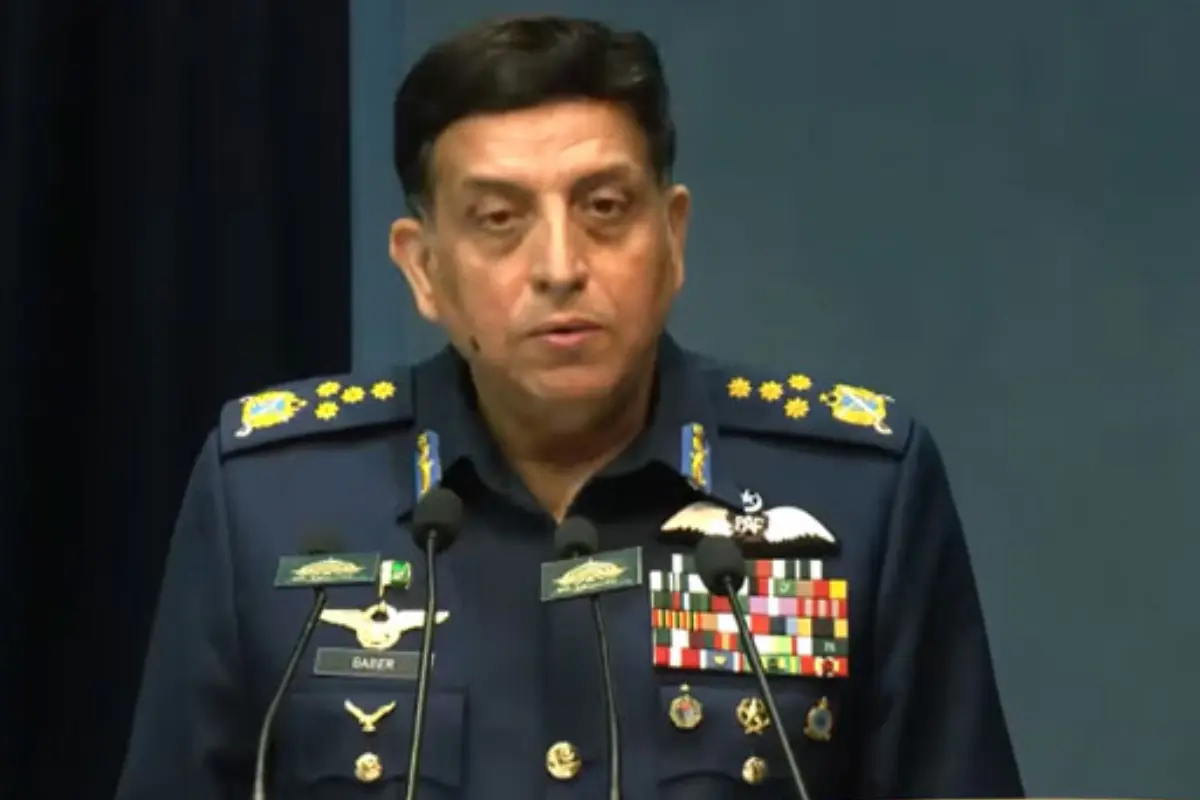
Chief of Air Staff Air Chief Marshal Zaheer Ahmed Baber Sidhu has shared detailed insights into the Pakistan Air Force’s (PAF) operational strategy and “kill chain” that, according to him, successfully countered Indian aggression and led to the downing of multiple Indian fighter jets, including Rafale aircraft.
Speaking at a ceremony held at Air Headquarters in Islamabad to mark the first anniversary of Marka-e-Haq, the air chief said Pakistan’s success was the result of a unified national response supported by what he described as divine assistance.
He stated that following the Pahalgam incident, India created a hostile environment, prompting Pakistan to adopt precautionary measures while maintaining full operational readiness.
According to Air Chief Marshal Sidhu, the Pakistan Air Force immediately elevated its alert status and strengthened full-spectrum surveillance to monitor enemy movements closely.
He explained that the PAF maintained a strong defensive counter-air posture through continuous combat air patrols, rapid scramble responses, and round-the-clock monitoring using airborne early warning systems and an integrated air defence network.
“In the initial phase, we deployed towards the southern sector with the objective of drawing out Indian aircraft stationed in Ambala and Gwalior, including their main punch – the Rafale jets,” he said.
The Air Chief described the operation as the first-ever full-spectrum multi-domain mission in the history of aerial warfare conducted by Pakistan.
“The world was stunned to witness the superb execution of the PAF operation, which was excellently choreographed and flawlessly executed,” he stated, adding that key enemy installations were targeted during the operation.
He further claimed that the strikes disrupted enemy power and transport systems, damaged critical installations, and resulted in the downing of advanced Rafale jets along with the destruction of an S-400 air defense system.
“The enemy was literally on its knees much before we could imagine,” he remarked.
Sidhu emphasized that the success of the mission was driven by Pakistan Air Force’s indigenous “kill chain,” which integrated multiple operational components into a unified combat system.
He added that while the PAF had the capability to escalate further, it chose restraint and acted in a measured and responsible manner.
Discussing future readiness, he said the Pakistan Air Force remains focused on strengthening capabilities and addressing evolving security challenges.
He highlighted the expansion of capabilities at the National Aerospace Science & Technology Park (NASTP), noting that several indigenous defense projects are currently under development.
The Air Chief also praised the Command, Control, Communications, Computers and Intelligence (C4I) network, calling it the backbone of PAF’s modern warfare capability.
“Our communication network and digital connectivity remained both resilient and redundant, serving as the foundation of our integrated operations during the mission,” he said.
He concluded by reaffirming that the Pakistan Air Force will continue to uphold national expectations and remain a symbol of pride for the country.
Catch all the Pakistan News, Breaking News Event and Trending News Updates on GTV News
Join Our Whatsapp Channel GTV Whatsapp Official Channel to get the Daily News Update & Follow us on Google News.
Must Read
Pakistan
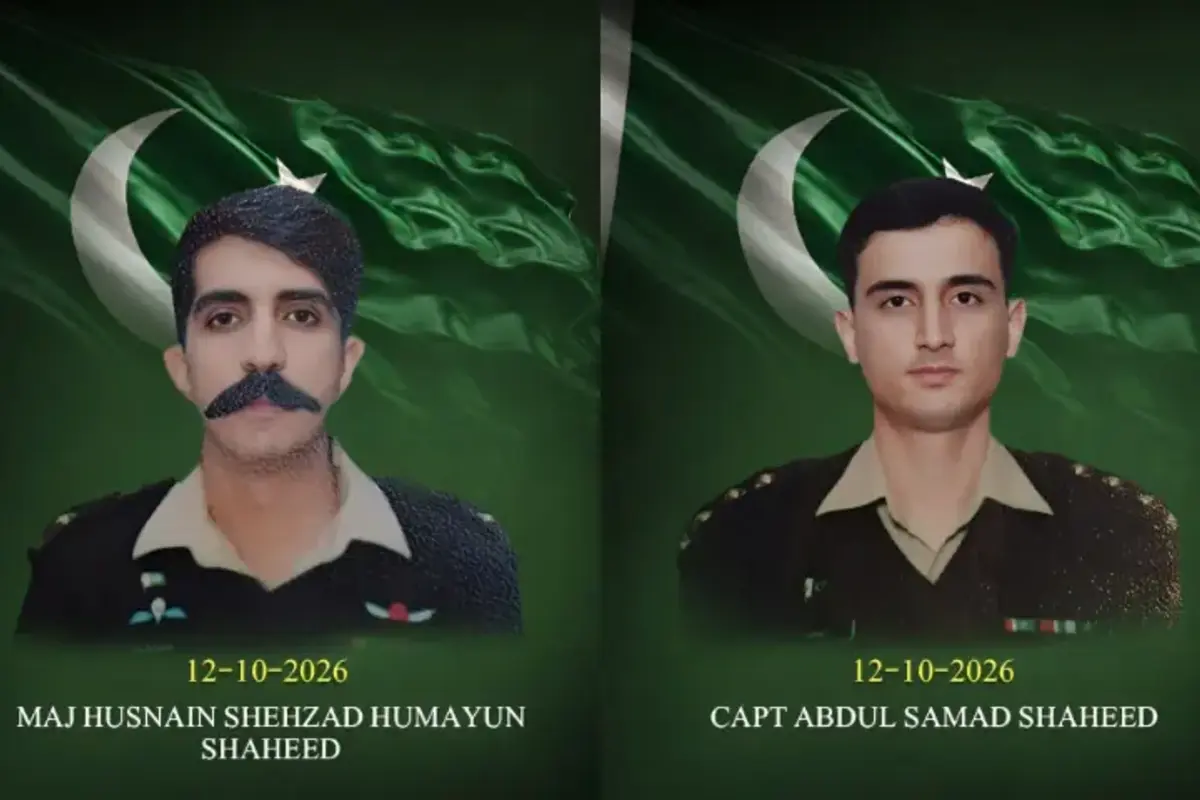
Funeral Prayers Held for Major Hasnain Shahzad Humayun and Captain Abdul Samad
13-October،2026