China Just Endorsed Pakistan as a Middle East Peacemaker – And That Changes the Regional Equation

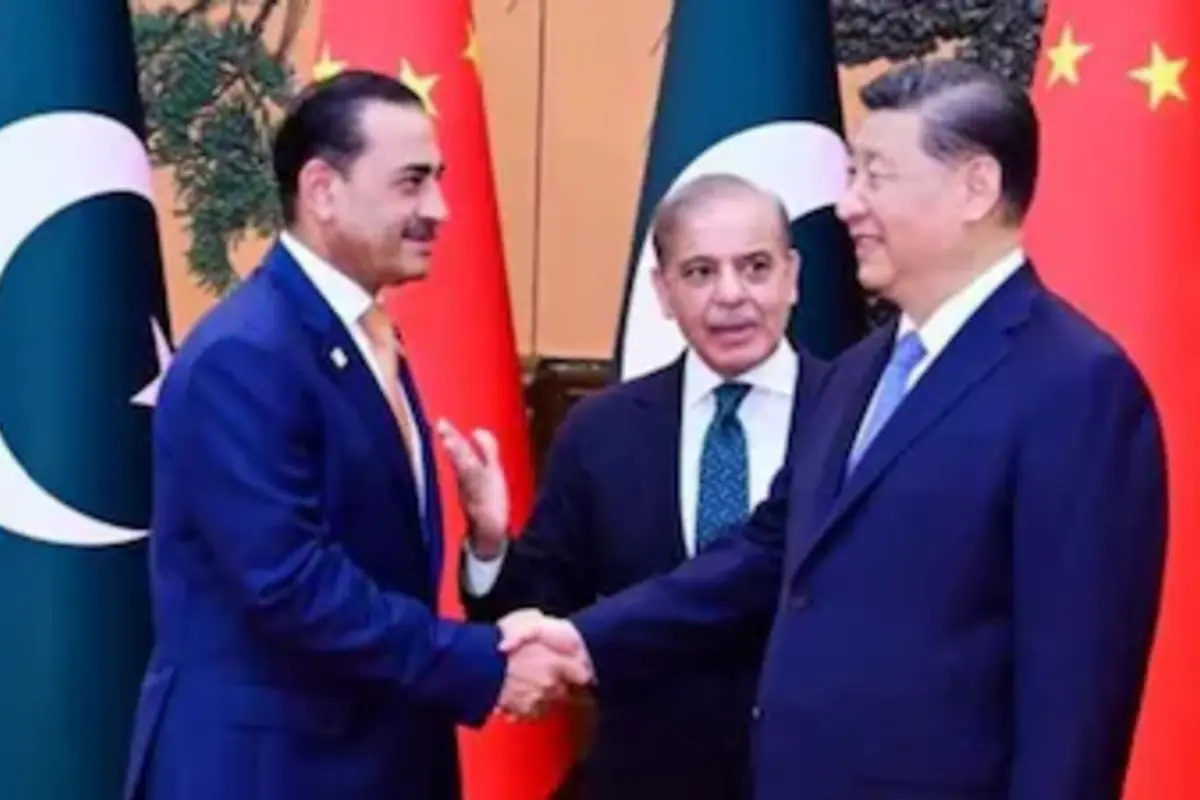
In diplomatic language, appreciation is rarely accidental. When China formally acknowledged Pakistan’s role in brokering the US-Iran ceasefire and hosting the Islamabad Talks inside a joint presidential statement, it was doing something more consequential than offering polite recognition.
It was endorsing Islamabad as a legitimate actor in one of the world’s most volatile conflict theaters — and signaling that Beijing intends to work alongside it.
What the Joint Statement Actually Confers
The acknowledgment came embedded in the highest-level diplomatic document both governments could produce — a joint statement issued after Prime Minister Shehbaz Sharif’s meetings with President Xi Jinping and Premier Li Qiang. Placement matters in these documents. This was not a footnote or a courtesy line. It was a substantive policy commitment.
Pakistan expressed formal support for Xi Jinping’s four propositions on safeguarding peace and stability in the Middle East. Both sides committed to the early implementation of a five-point initiative for restoring stability in the Gulf region. And crucially, both governments declared their readiness to jointly make positive contributions toward that restoration.
That word — jointly — is the most important one in the paragraph. China is not merely praising Pakistan from the sidelines. It is positioning itself alongside Islamabad as a co-contributor to Gulf diplomacy.
Why Pakistan’s Mediation Role Is Historically Significant
Pakistan’s ability to host talks between American and Iranian representatives is built on a specific and rare diplomatic asset: functional relationships with both Washington and Tehran simultaneously, at a moment when those two capitals have no direct communication channel they trust.
That kind of intermediary position cannot be manufactured quickly. It reflects decades of careful relationship management — maintaining ties with Iran through shared regional interests and Islamic solidarity, while sustaining the security and economic partnerships with the United States that Islamabad depends upon.
The Islamabad Talks, which produced a temporary ceasefire, demonstrated that this asset is operational, not merely theoretical. Pakistan delivered a result. China noticed.
Beijing’s Strategic Interest in Gulf Stability
China’s enthusiasm for Pakistan’s mediating role is not purely altruistic. Beijing imports approximately 40 to 50 percent of its crude oil from the Gulf region, with significant volumes transiting through the Strait of Hormuz. Every day the US-Iran confrontation threatens to escalate is a day China’s energy security hangs on decisions made in Washington and Tehran — capitals where Beijing has limited direct leverage.
A Pakistan-facilitated diplomatic framework that keeps the ceasefire intact and creates space for negotiation directly serves Chinese economic interests. Supporting and amplifying Pakistan’s mediating role costs Beijing very little and potentially gains it significant influence over a conflict resolution process it cannot lead directly.
Xi’s Four Propositions and the Five-Point Initiative
Pakistan’s formal endorsement of Xi Jinping’s four propositions on Middle East peace — and both countries’ commitment to a five-point Gulf stability initiative — signals coordinated diplomatic positioning that extends beyond bilateral goodwill.
These frameworks represent China’s attempt to establish itself as a credible alternative to American-led conflict resolution in the Middle East — a project that gained significant momentum after Beijing brokered the Saudi-Iran rapprochement in 2023. Pakistan’s alignment with these frameworks gives them broader legitimacy and additional diplomatic weight in Islamic-majority contexts where Chinese influence alone carries limitations.
What Islamabad Gains
For Pakistan, Chinese recognition of its Gulf mediation role arrives at a strategically valuable moment. Islamabad currently holds a non-permanent seat on the UN Security Council. It is preparing to assume the rotating presidency of the Shanghai Cooperation Organisation. And it is navigating its own complex relationships with Gulf states whose financial support remains critical to Pakistan’s economic stabilization.
Being formally recognized by China — the world’s second-largest economy and a permanent Security Council member — as a constructive Middle East peacemaker strengthens Pakistan’s diplomatic standing across all of these contexts simultaneously.
The Architecture Taking Shape
Read alongside the broader outcomes of the Beijing summit — CPEC 2.0, AI governance alignment, counterterrorism coordination, and Kashmir support — China’s endorsement of Pakistan’s Gulf mediation role reveals something larger than any single diplomatic achievement.
Islamabad and Beijing are constructing a shared foreign policy posture across multiple theaters simultaneously. In the Middle East, that posture centers on diplomacy, stability, and the protection of energy supply routes that both economies depend upon.
It is a posture that positions both nations as constructive alternatives to the military escalation cycle — and one that, after the Islamabad Talks, they can now point to with a concrete result.
Catch all the Pakistan News, Breaking News Event and Trending News Updates on GTV News
Join Our Whatsapp Channel GTV Whatsapp Official Channel to get the Daily News Update & Follow us on Google News.
Must Read
Pakistan
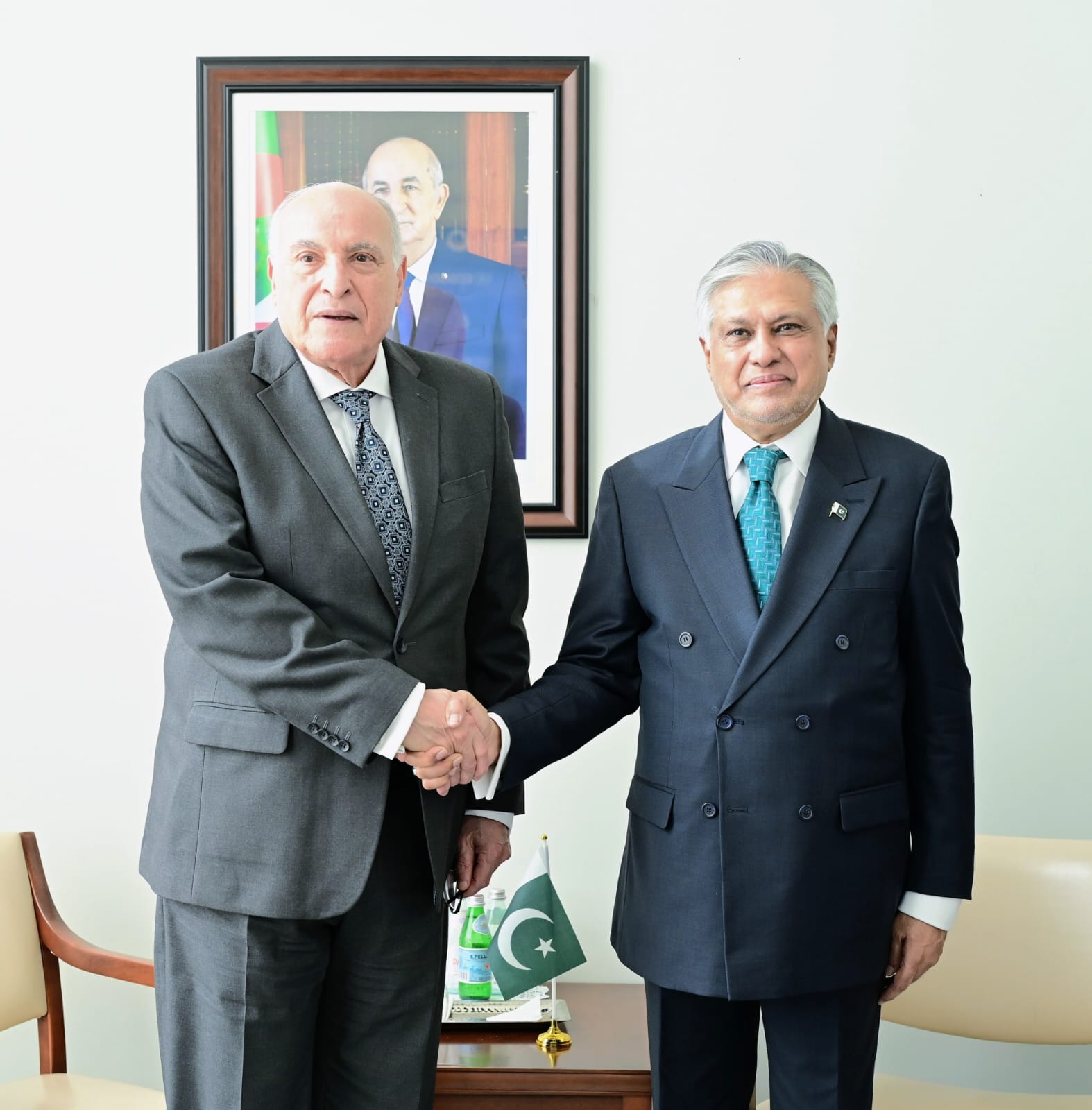
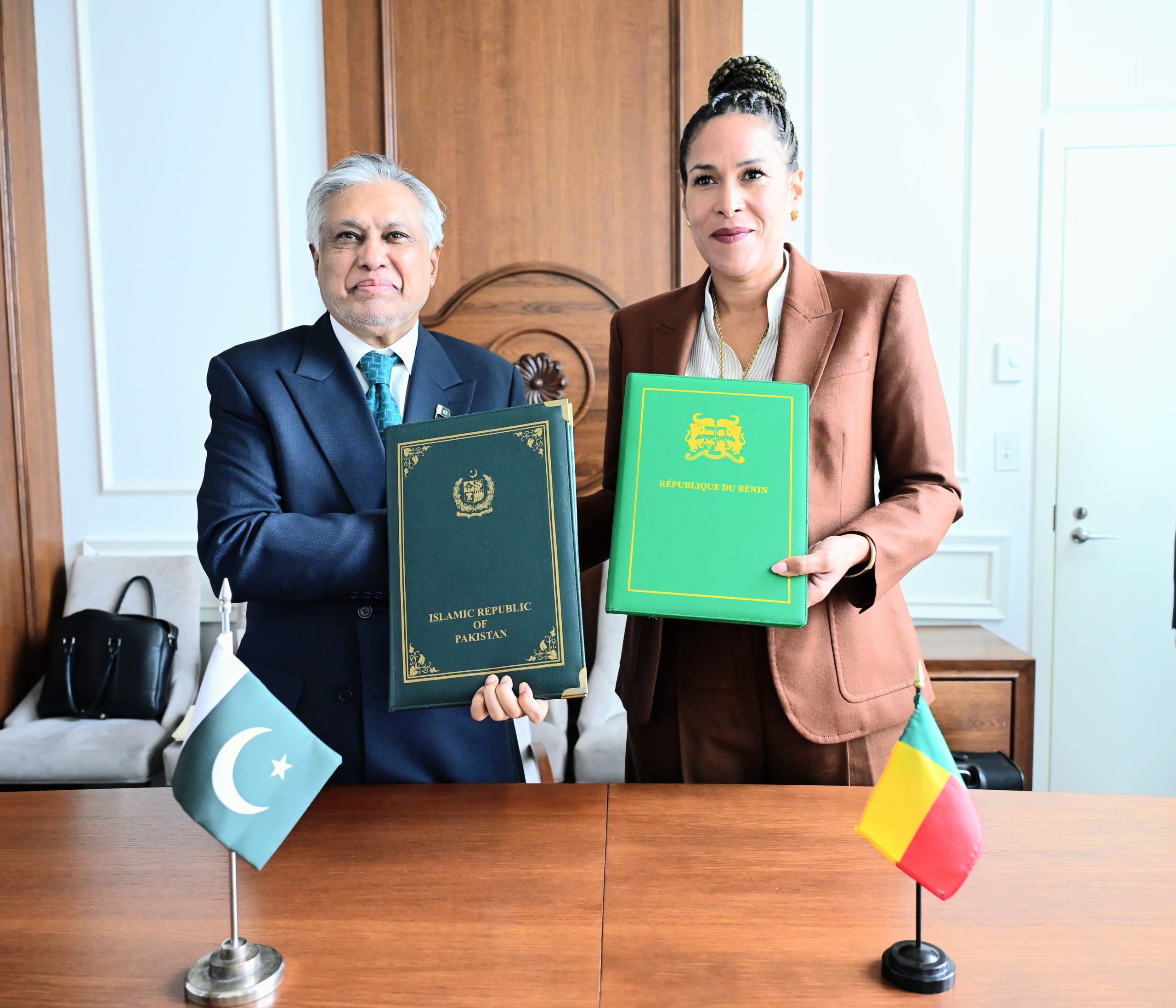
Pakistan, Benin Sign MoU to Institutionalise Bilateral Political Consultations
25-September،2026
Pakistan
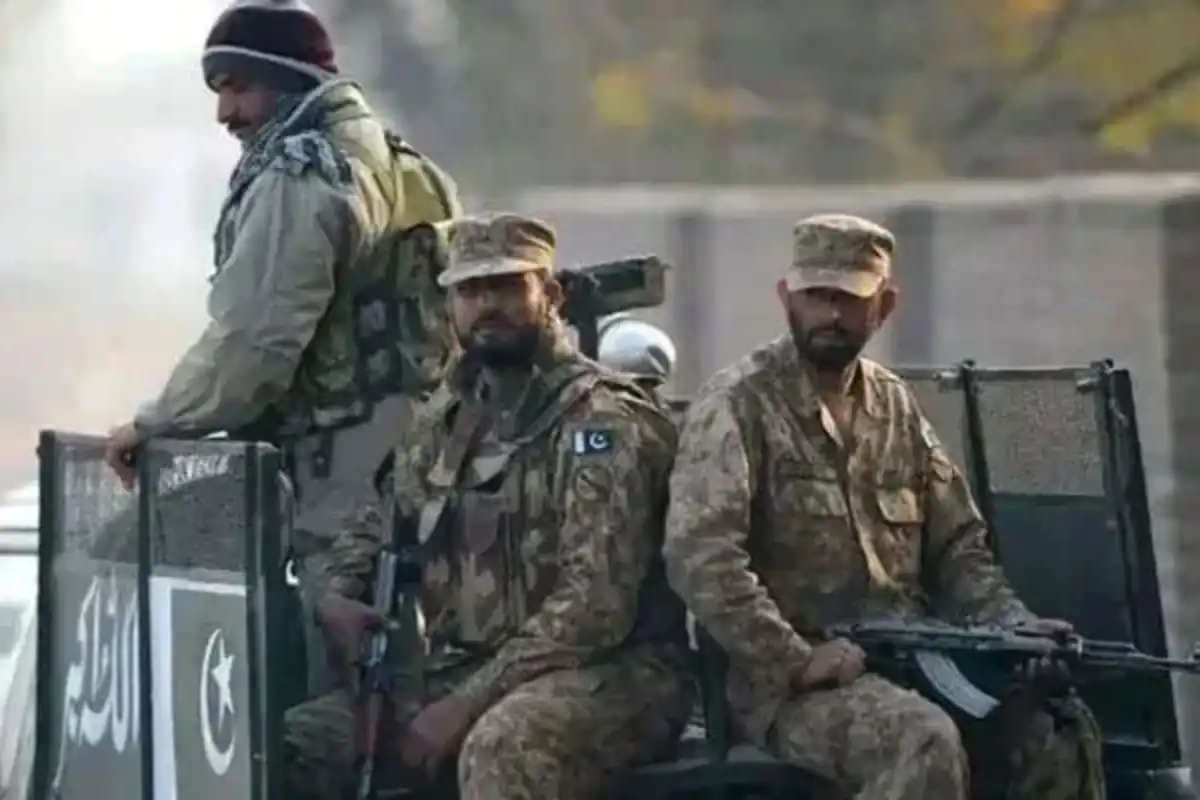
Security Forces Kill 33 Indian-Sponsored Terrorists in Balochistan Operations
25-September،2026