
TRT World: BLA Attacks on Balochistan’s Trade Routes Are Becoming a Regional Problem, Not Just Pakistan’s

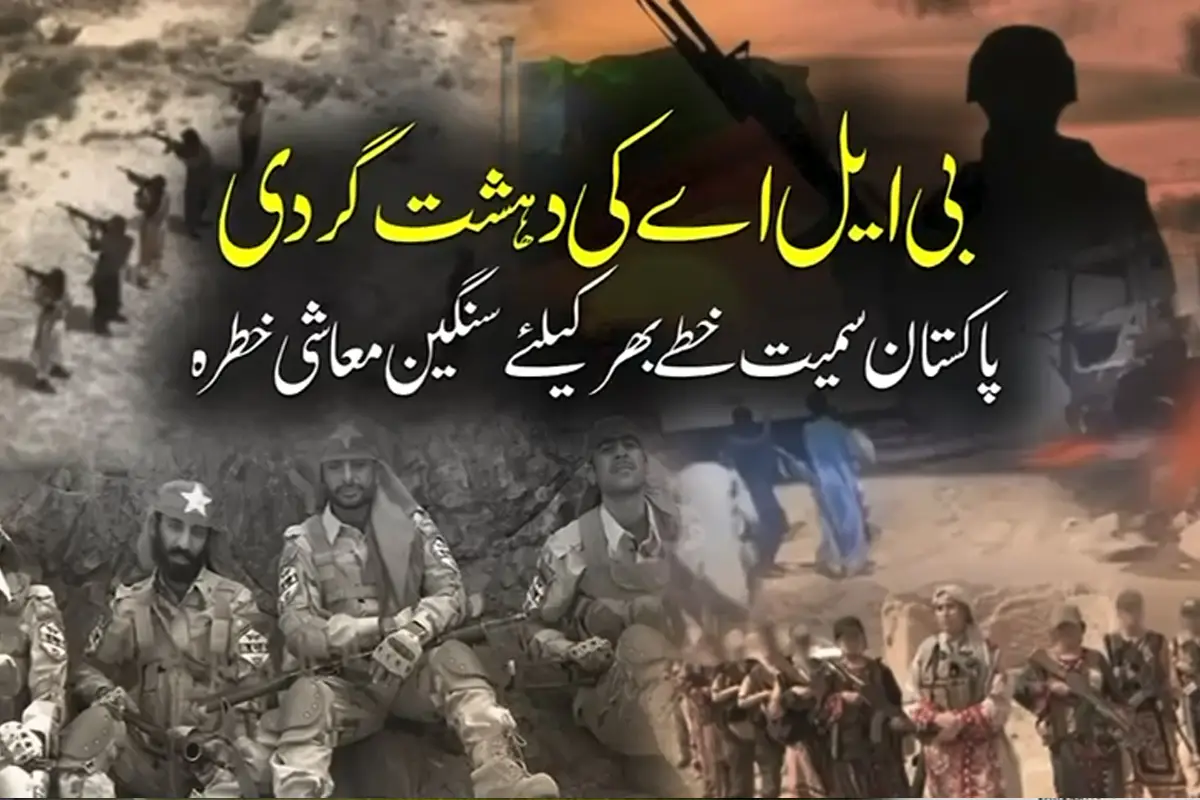
TRT World: BLA Attacks on Balochistan's Trade Routes Are Becoming a Regional Problem, Not Just Pakistan's
A separatist insurgency that Pakistan has fought for decades is increasingly being reframed by international analysts as something with consequences well beyond Pakistan’s borders.
A TRT World report titled “The Overland Chokepoint: Why BLA Terror Is Not Just Pakistan’s Problem” argues that Balochistan’s strategic position, linking South Asia, Central Asia, the Middle East, and western China through highways, rail links, and trade corridors, means continued attacks by the Balochistan Liberation Army carry implications for regional economic integration that extend far past Pakistani territory.
Targeting Infrastructure, Not Just Security Forces
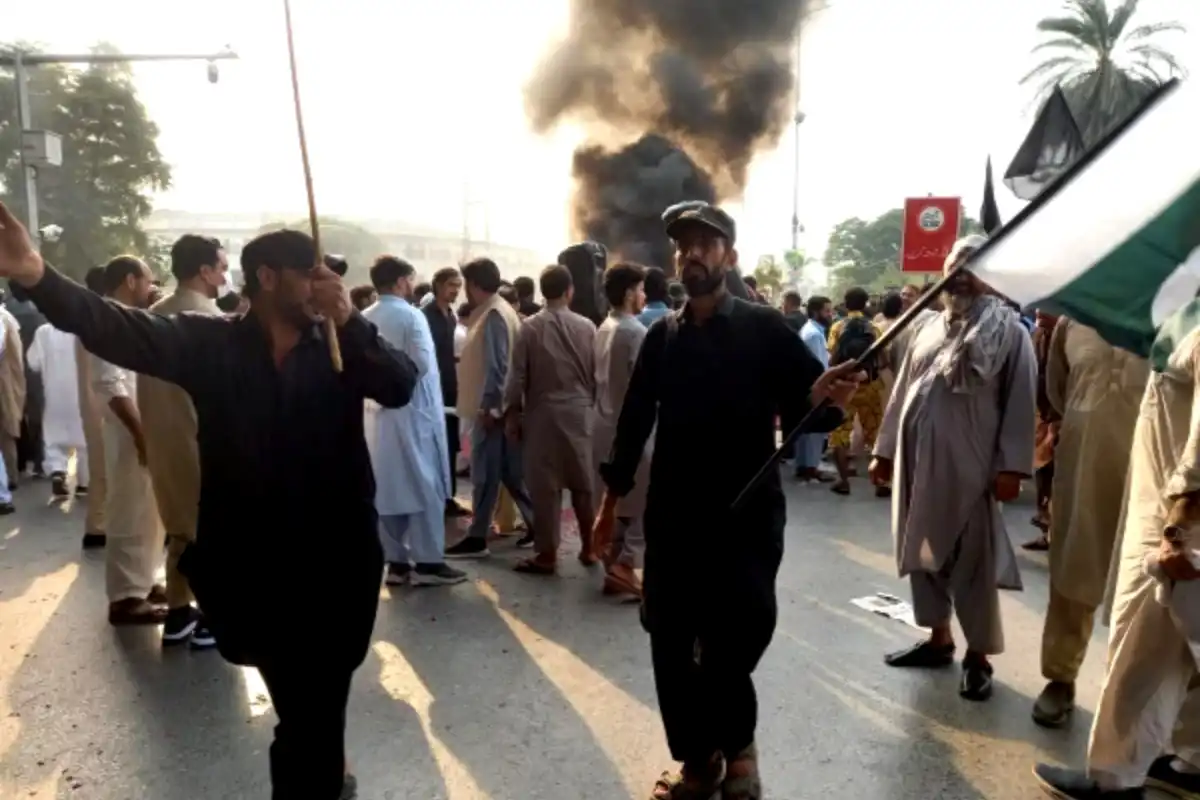
What distinguishes recent BLA activity, according to the report, is its consistent targeting of supply vehicles, trains, and communications infrastructure rather than purely military objectives. Citing Armed Conflict Location and Event Data Project figures, the report notes at least 18 attacks struck trains and railway infrastructure in Balochistan before the high-profile March 2025 assault on the Jaffar Express alone, repeatedly forcing rail service suspensions across the province.
The scale of the broader campaign is significant. The Global Terrorism Index 2026 found nearly three-quarters of Pakistan’s 1,045 recorded terrorist incidents in 2025 occurred in Balochistan, with the country recording 1,139 terrorism-related fatalities that year, its highest annual death toll linked to terrorism in over a decade.
The International Designation Timeline
International recognition of the BLA’s terrorist status has accelerated. The United States formally designated the group in August 2025, Australia imposed counter-terrorism financing sanctions in May 2026, and TRT World’s report references a UK designation process. This pattern reflects a broader trend, the report suggests, of governments increasingly treating the BLA’s operational methods as comparable to those of internationally recognized terrorist organizations like Al Qaeda or Daesh, where disrupting commerce and civilian life functions as a strategic objective rather than a side effect of insurgency.
It’s worth noting that not everyone accepts this characterization. Baloch nationalist figures, including activist Mir Yar Baloch, have publicly challenged the Australian designation specifically, arguing it reflects Pakistani diplomatic lobbying rather than independently verified evidence, and framing the broader conflict as a self-determination struggle rather than terrorism. That dispute remains unresolved in international discourse even as Western governments move toward formal designations.
Gwadar’s Strategic Exposure
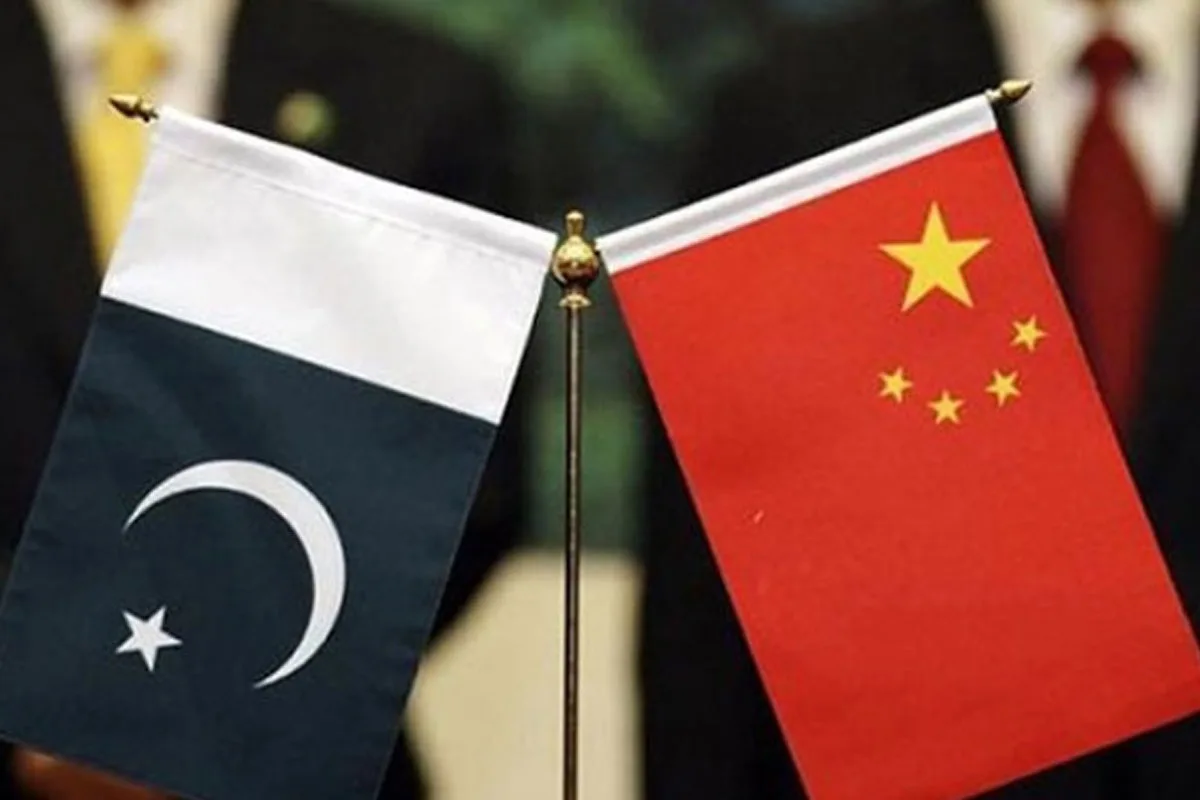
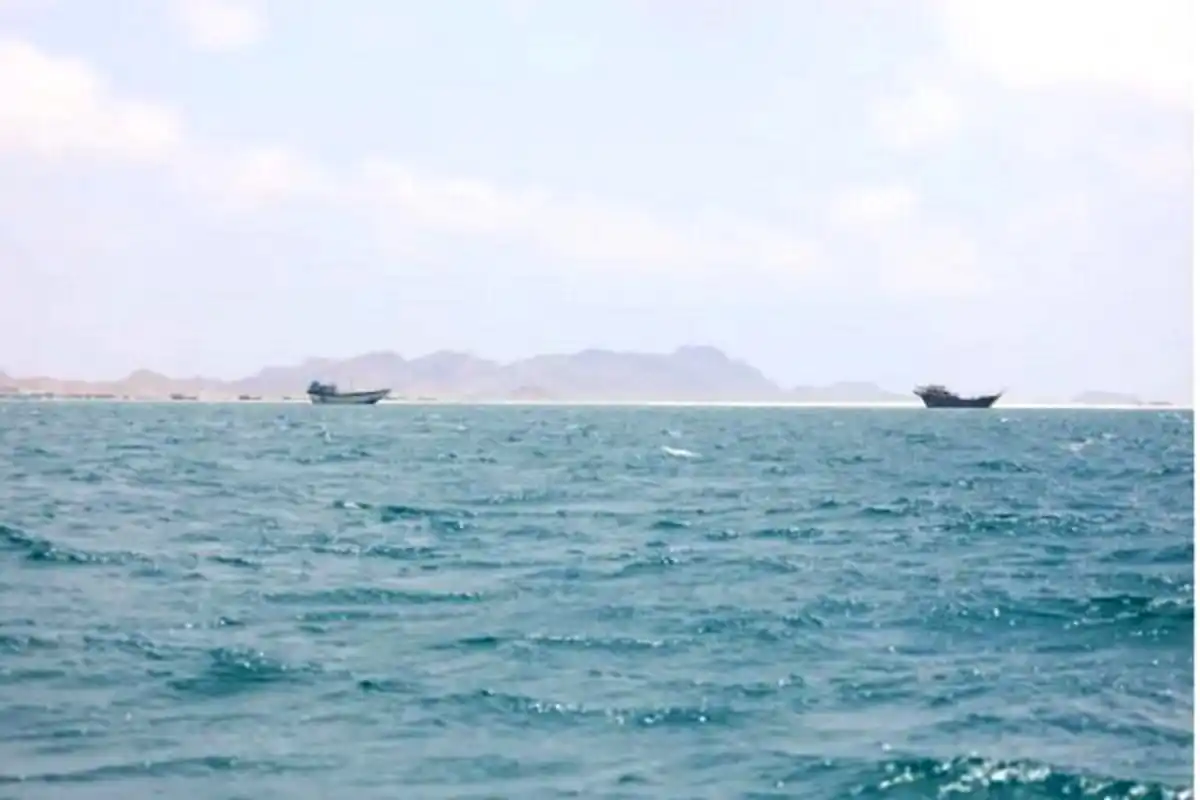
The report places particular emphasis on Gwadar port, which provides regional countries access to the Arabian Sea and functions as a cornerstone of China-Pakistan Economic Corridor infrastructure. Disruption at or near Gwadar carries consequences for Chinese investment, regional connectivity ambitions, and the broader trade architecture linking landlocked Central Asian economies to maritime shipping routes.
The India Question
Pakistani officials, including Balochistan Chief Minister Sarfraz Bugti, have repeatedly characterized the BLA as operating “at the behest of India,” and this allegation features heavily in Pakistani analyst commentary surrounding the group’s activities. It’s important to be precise about evidentiary status here: this remains Pakistan’s stated position and a view echoed by some regional analysts, not an independently adjudicated fact. India has consistently denied sponsoring the BLA, and no neutral international body has issued a formal finding establishing direct Indian state sponsorship. Western terrorist designations from the US, Australia, and UK address the BLA’s conduct and methods; they do not, on their own, constitute confirmation of any specific state sponsor.
What Happens From Here
TRT World’s analysis concludes that instability in Balochistan has shifted from a purely domestic Pakistani security matter into a question with regional economic stakes, given the province’s role in overland connectivity between South Asia, Central Asia, the Middle East, and China. With UN Security Council Resolution 1267’s sanctions framework historically built around exactly this kind of infrastructure-targeting pattern, continued BLA attacks on transport and communications networks may accelerate further international designations and financial isolation measures.
Whether that translates into measurably reduced attack frequency, or simply forces the conflict’s economic costs onto a wider set of regional stakeholders, will depend on enforcement of existing sanctions and whether the diplomatic momentum behind formal designations continues building through 2026.
Catch all the Pakistan News, Breaking News Event and Trending News Updates on GTV News
Join Our Whatsapp Channel GTV Whatsapp Official Channel to get the Daily News Update & Follow us on Google News.
Must Read