Karachi Traffic Police to Deploy AI-Powered ANPR Cameras at Airport Road, Clifton and Do and Teen Talwar by August 2026

Karachi Traffic Police to Deploy AI-Powered ANPR Cameras at Airport Road, Clifton and Do and Teen Talwar by August 2026
Karachi’s traffic enforcement landscape is undergoing a major technological transformation. The city’s traffic police have announced an ambitious plan to expand their Artificial Intelligence-powered traffic enforcement system to some of Karachi’s most high-traffic locations — including Airport Road, Clifton, and the Do Talwar and Teen Talwar (2 & 3 Talwar) junctions — with a targeted rollout deadline of August 2026. The announcement was made by DIG Traffic Pir Muhammad Shah, who has been spearheading the city’s shift toward smart, technology-driven traffic management.
Pilot Project Running Successfully on Shahrah-e-Faisal
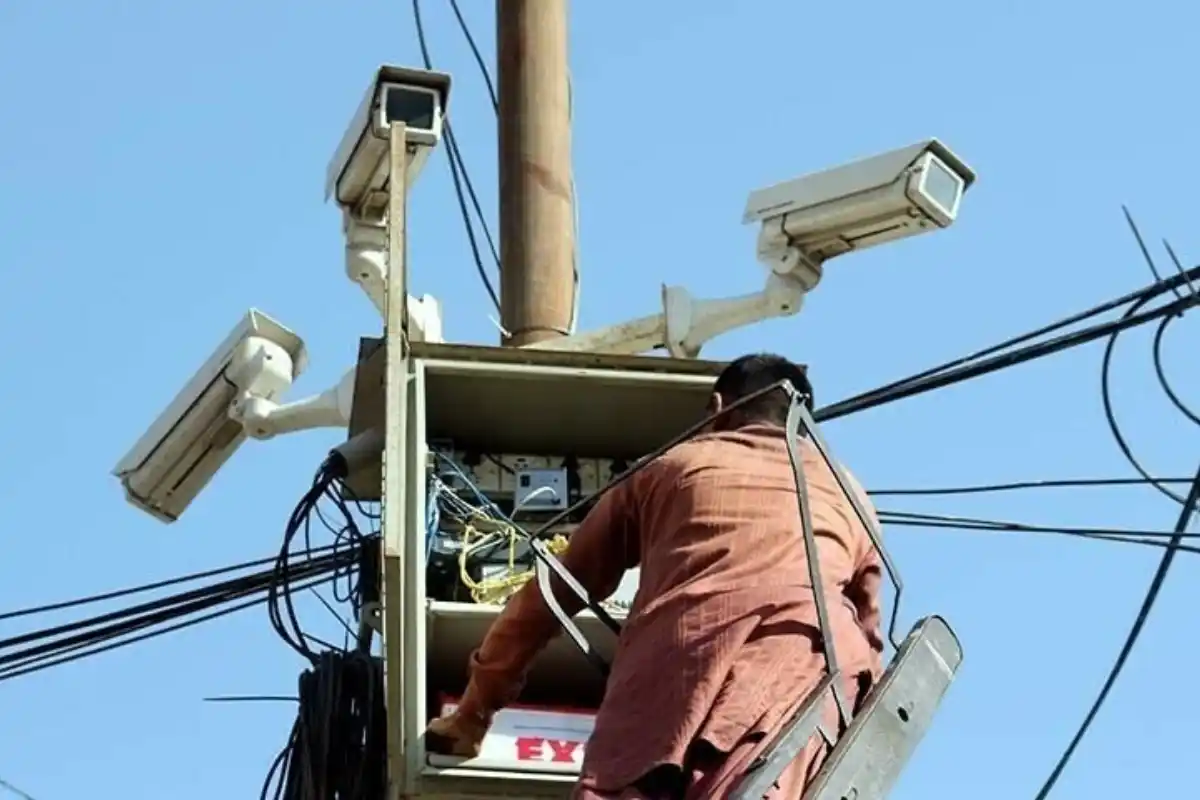
The groundwork for this expansion has already been laid through an active pilot programme currently operational on Shahrah-e-Faisal — one of Karachi’s most congested and strategically important arterial roads. The system utilises 20 high-resolution Automatic Number Plate Recognition (ANPR) cameras operating around the clock, covering the stretch from Shahrah-e-Faisal up to Drigh Road, with the primary mandate of detecting and recording lane violations in real time.
Explaining why this particular road was chosen as the launchpad for the initiative, DIG Pir Muhammad Shah stated:
“If we can fix discipline on Karachi’s busiest artery, we can fix it on any road.”
The results so far have validated that confidence. According to the DIG, the system is currently generating an average of 100 challans per day solely for lane violations on Shahrah-e-Faisal — a figure that reflects both the scale of the problem and the effectiveness of AI-powered surveillance in addressing it.
No First-Offence Waiver — But One-Time Deferment Available
DIG Pir Muhammad Shah made it explicitly clear that motorists on Shahrah-e-Faisal will not be granted any waiver for a first offence, dispelling any notion that new violators might be let off with a warning. However, drivers are offered a one-time deferment option, providing a limited administrative flexibility for those who need it.
At the same time, the DIG was quick to clarify that the system has been designed with a degree of contextual intelligence. The AI technology is specifically built to distinguish between deliberate traffic violations and genuine emergencies. Situations involving vehicle breakdowns, pothole-related incidents, or other unavoidable road circumstances are automatically flagged for manual review, ensuring that responsible drivers are not unfairly penalised for circumstances beyond their control.
Fine Structure — Varying by Vehicle Type and Risk Level
One of the most notable aspects of this enforcement system is its tiered fine structure, which takes into account both the type of vehicle involved and the level of risk posed by the violation. As per DIG Pir Muhammad Shah, the penalty breakdown is as follows:
| Vehicle Type | Fine Amount |
|---|---|
| Motorcycles & Rickshaws | Rs 2,500 |
| Cars | Rs 5,000 |
| Buses | Rs 7,500 |
| Dumpers & Tankers | Rs 10,000 |
This graduated approach ensures that heavier vehicles — which pose a significantly greater risk to road safety when they violate lane discipline — are subject to proportionately higher penalties.
Early Results Already Visible
The DIG confirmed that the positive impact of the initiative is already becoming evident on the ground, with noticeably improved traffic flow on Shahrah-e-Faisal as bus operators increasingly comply with lane discipline requirements and remain within their designated corridors. This early success has provided the traffic police with the confidence to push forward with the wider citywide expansion by August 2026.
Catch all the Pakistan News, Breaking News Event and Trending News Updates on GTV News
Join Our Whatsapp Channel GTV Whatsapp Official Channel to get the Daily News Update & Follow us on Google News.
Must Read
Pakistan
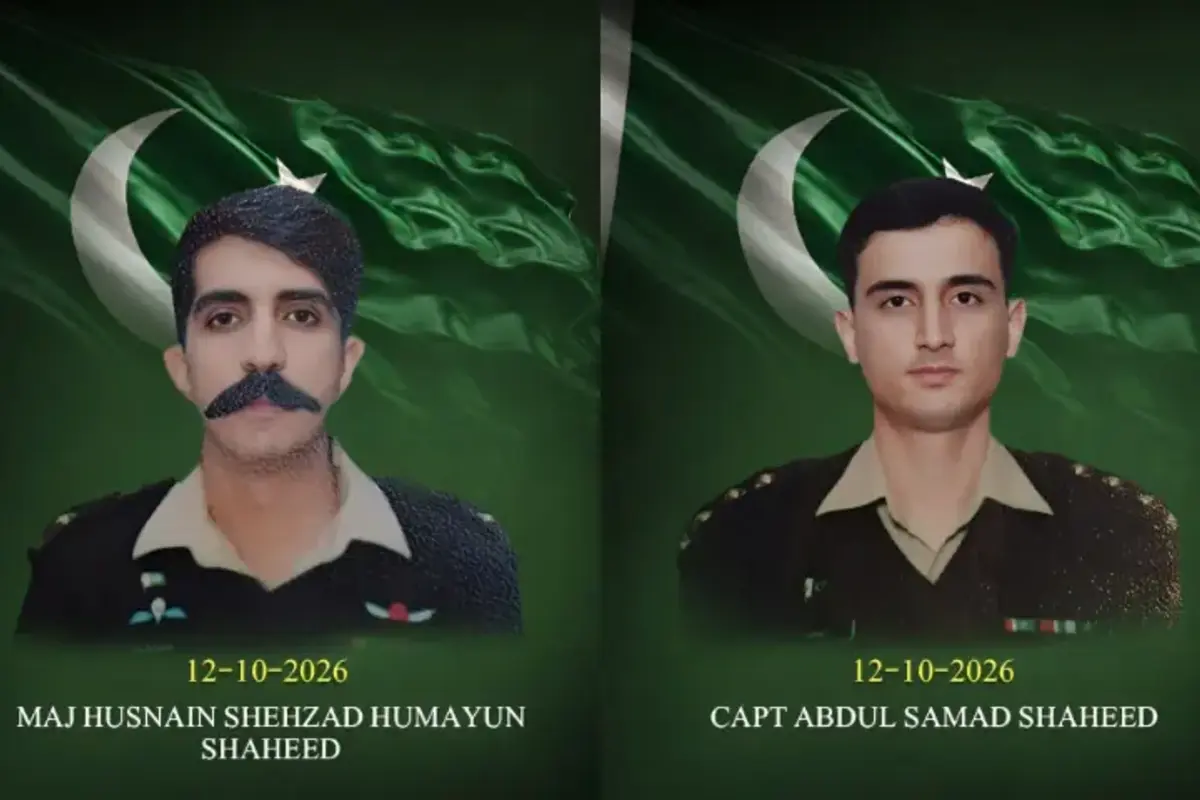
Funeral Prayers Held for Major Hasnain Shahzad Humayun and Captain Abdul Samad
13-October،2026