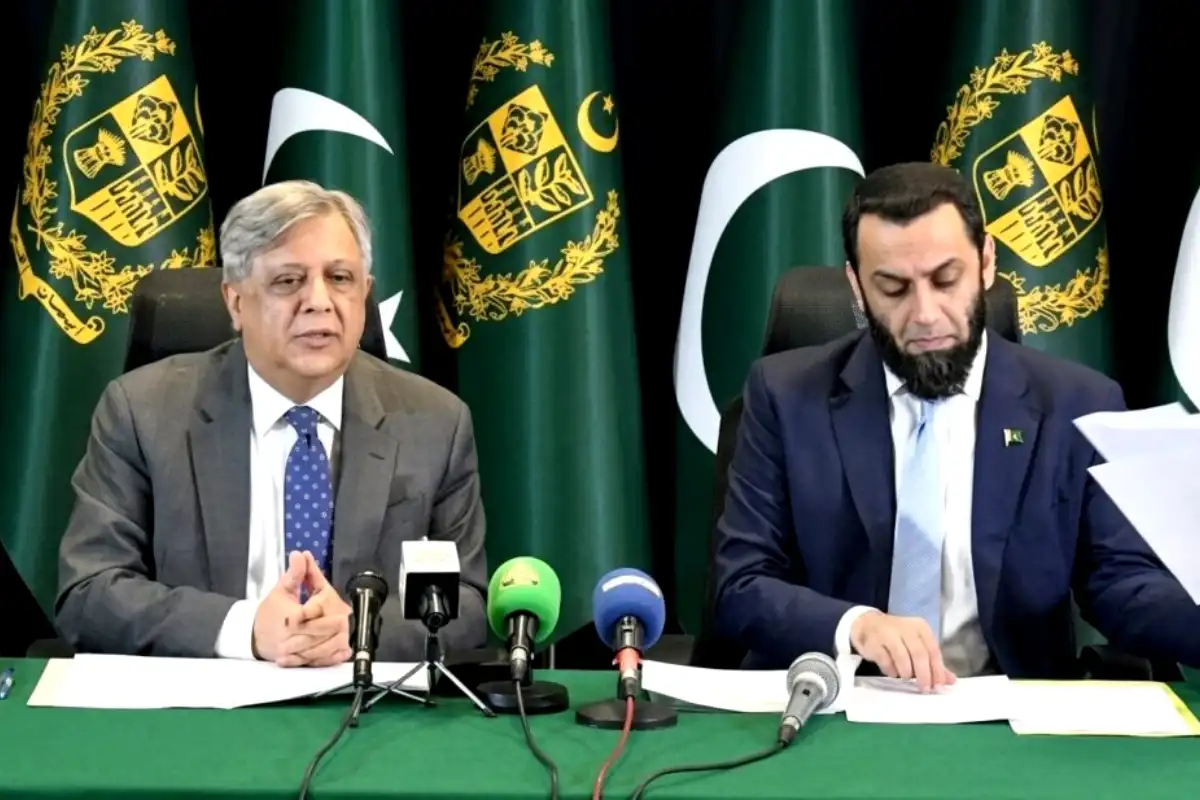
Pakistan Calls for Strict Adherence to US-Iran Ceasefire Agreement as Fresh Missile and Drone Strikes


Pakistan Calls for Strict Adherence to US-Iran Ceasefire Agreement as Fresh Missile and Drone Strikes
Pakistan has called on all parties involved in the Middle East conflict to honor the terms of the US-Iran ceasefire agreement, following a dangerous new round of retaliatory strikes between Washington and Tehran that has pushed the fragile Pakistan-brokered peace framework to the edge of collapse.
Ishaq Dar Engages EU on Regional Crisis
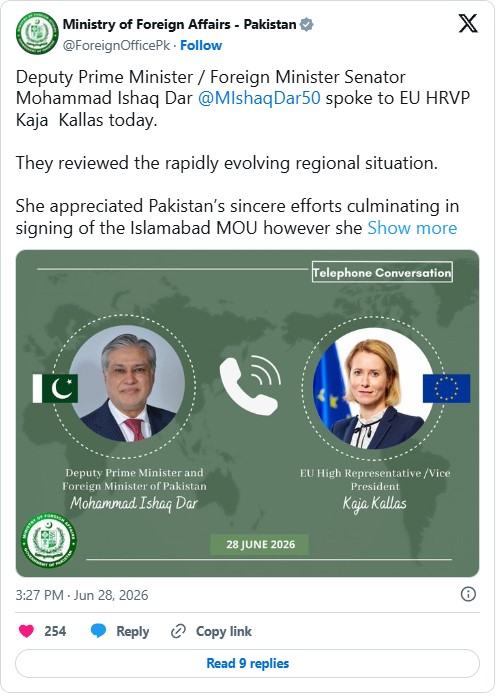
Deputy Prime Minister and Foreign Minister Ishaq Dar conveyed Pakistan’s position during a telephone conversation with European Union High Representative for Foreign Affairs and Security Policy Kaja Kallas, in which both officials reviewed the rapidly deteriorating regional situation. The Foreign Office confirmed the call in an official statement.
During the exchange, Kallas praised Pakistan’s diplomatic contributions to the peace process, specifically acknowledging Islamabad’s “sincere efforts” that had culminated in the signing of the Islamabad memorandum of understanding — the 14-point interim peace accord designed to halt hostilities and reopen the Strait of Hormuz while broader negotiations on issues including Iran’s nuclear programme proceeded.
The EU’s top diplomat expressed serious concern over the recent ceasefire violations by both sides, emphasizing that channels of communication must remain open between all parties to the conflict if a lasting resolution is to be achieved.
For his part, DPM Dar briefed Kallas on Pakistan’s continued diplomatic engagement aimed at building a comprehensive framework for regional peace and stability, reiterating Islamabad’s call on all parties to abide by the ceasefire agreement without exception.
Trump Threatens Iran, Iran Responds With Strikes
DPM Dar’s remarks came against the backdrop of a sharp and dangerous escalation. Shortly before Iran launched fresh attacks, US President Donald Trump issued an unambiguous threat to Iranian leadership on social media, warning that American patience had limits.
“There may come a point when we are no longer able to be reasonable, and will be forced to militarily complete the job that we very successfully started,” Trump wrote. “If that happens, the Islamic Republic of Iran will no longer exist!” he added.
Approximately one hour after Trump’s post, Kuwait’s army announced that its air defense systems had been activated in response to incoming missile and drone attacks. Bahrain similarly reported that sirens had sounded across the country.
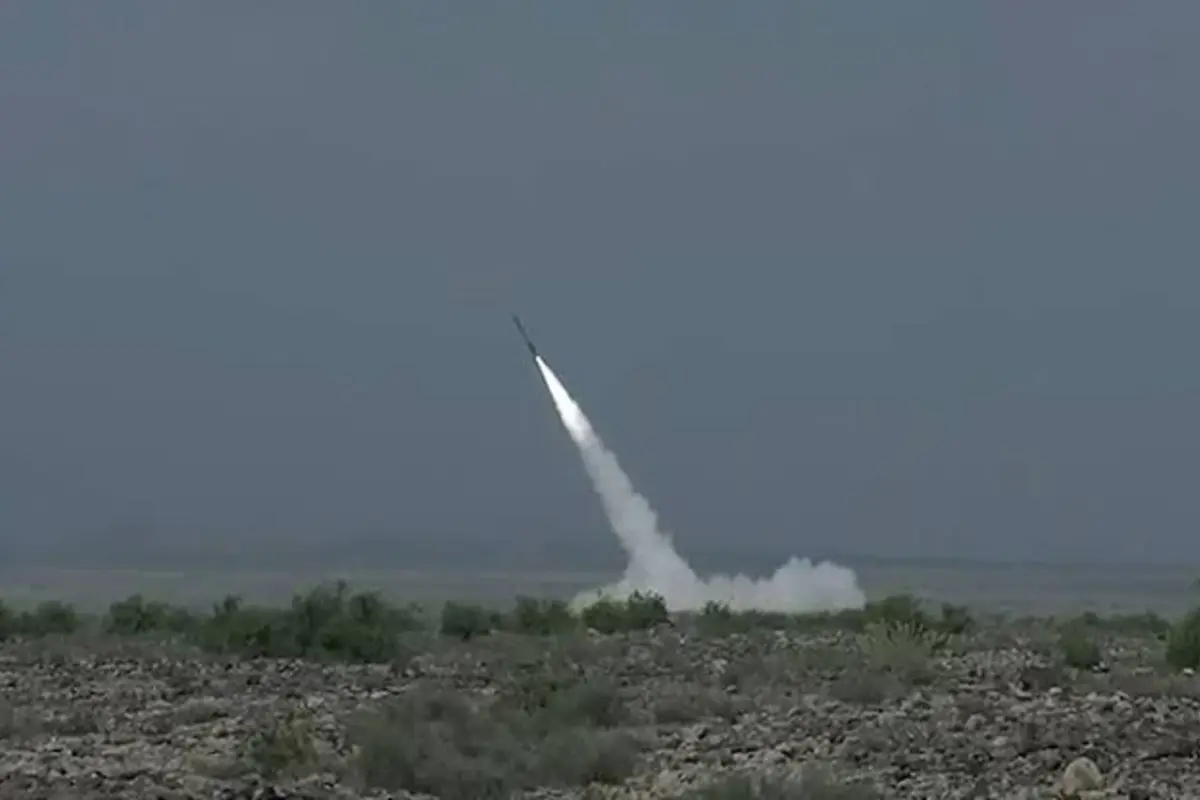
Iran’s Islamic Revolutionary Guard Corps subsequently confirmed in an official statement that its naval and air forces had launched coordinated missile and drone operations targeting US military installations in Kuwait and Bahrain. The IRGC characterized the strikes as a direct response to American ceasefire violations, warning that US aggression “will result in the complete halt of all diplomatic processes.” The IRGC Navy command issued a further warning that American military bases in the region “will experience hell in the coming days.”
A US official confirmed the attacks on American facilities, telling media that there were no reported US casualties or significant damage to US sites in the region, though the situation remained fluid and evolving at the time of confirmation.
Hours later, a second round of alarms sounded in Bahrain, where authorities reported that an Iranian attack had damaged a residential building in Muharraq province, though no casualties were recorded. Bahrain subsequently called on the United Nations Security Council to convene an urgent session to hold Iran accountable for the attacks. Kuwait’s army confirmed it had successfully intercepted two ballistic missiles with no resulting damage or casualties.
Diplomacy Stalling Despite Switzerland Talks
The latest violence followed a round of Pakistan-mediated negotiations held in Switzerland the previous week, led by US Vice President JD Vance and Iranian parliamentary speaker Mohammad Baqer Ghalibaf. That session had produced limited progress, including Washington waiving sanctions on Tehran — but fighting resumed and intensified in the days that followed, raising serious doubts about the durability of any agreement reached thus far.
The Islamabad memorandum of understanding — the 14-point interim peace accord that the US and Israel initiated on February 28 — had been intended to halt the fighting and reopen the Strait of Hormuz, the world’s most critical energy shipping route, which Tehran had largely closed for the duration of the conflict. The accord was also meant to create space for negotiations on Iran’s nuclear programme and other outstanding issues.
Israel further complicated the regional picture, announcing on Sunday that it had struck Hezbollah positions in Lebanon on Saturday — just one day after agreeing the latest ceasefire deal with Lebanon. Iran has maintained that the cessation of Israeli military operations in Lebanon is an essential precondition for any wider and lasting peace agreement holding.
Catch all the Pakistan News, Breaking News Event and Trending News Updates on GTV News
Join Our Whatsapp Channel GTV Whatsapp Official Channel to get the Daily News Update & Follow us on Google News.
Must Read

Pakistan
Funeral Prayers Held for Major Hasnain Shahzad Humayun and Captain Abdul Samad
13-October،2026