
Iran-US Tensions: Pakistan Urges Dialogue, Restraint and Peaceful Resolution

Pakistan says Israeli attacks in Lebanon damage Middle East peace
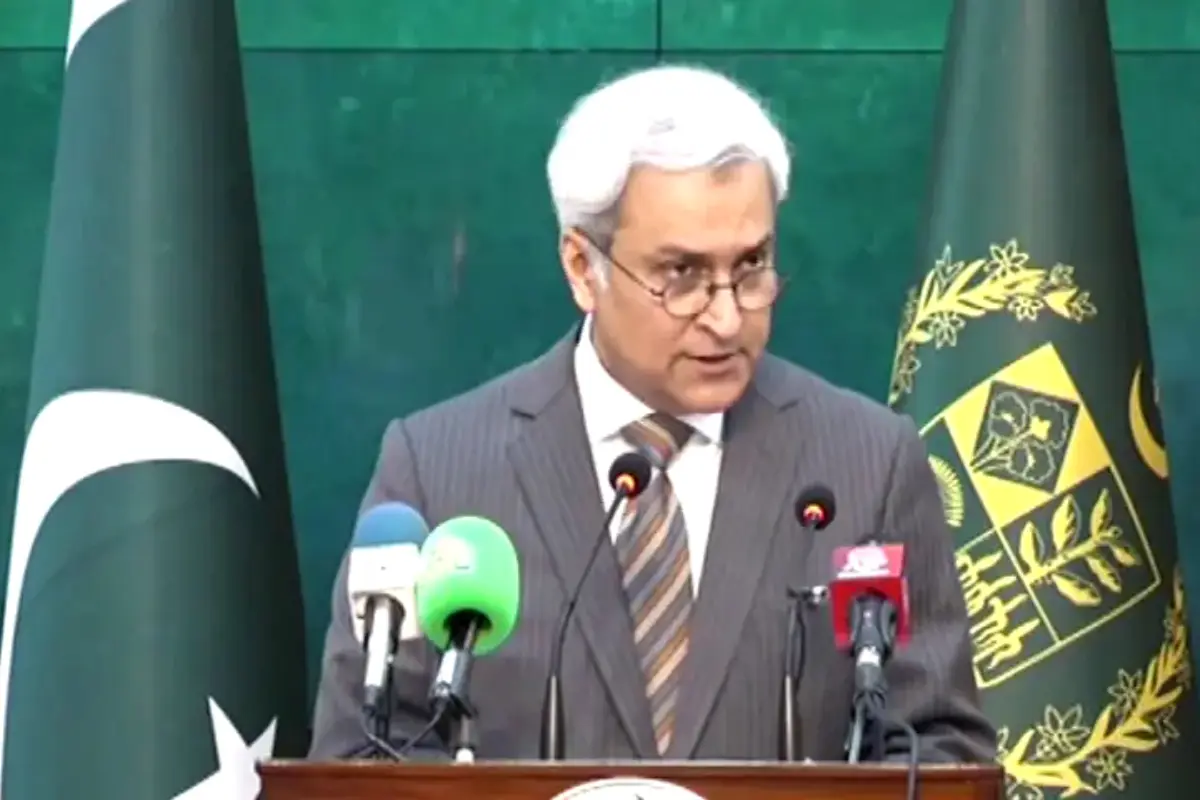
Pakistan’s Foreign Office expressed concern over renewed tensions between Iran and the United States, calling for restraint from all parties during its weekly press briefing.
Spokesperson Tahir Hussain Andrabi said Islamabad is closely monitoring the current regional situation and continues to believe dialogue remains the path toward resolving disputes.
The briefing placed particular emphasis on the Strait of Hormuz, a chokepoint through which a significant share of global oil shipments passes. Andrabi said Pakistan supports uninterrupted trade and oil supply through the strait, a position that reflects Islamabad’s own exposure to any disruption — Pakistan imports the bulk of its oil, and instability along that route would directly affect domestic fuel prices and supply security.
Beyond the strait itself, the spokesperson reiterated Pakistan’s broader stance that conflict serves no party’s interest and that stability remains the only viable alternative for the region. He said all disputes ultimately require resolution through negotiation and diplomacy, and that Pakistan will continue encouraging every side to avoid war.
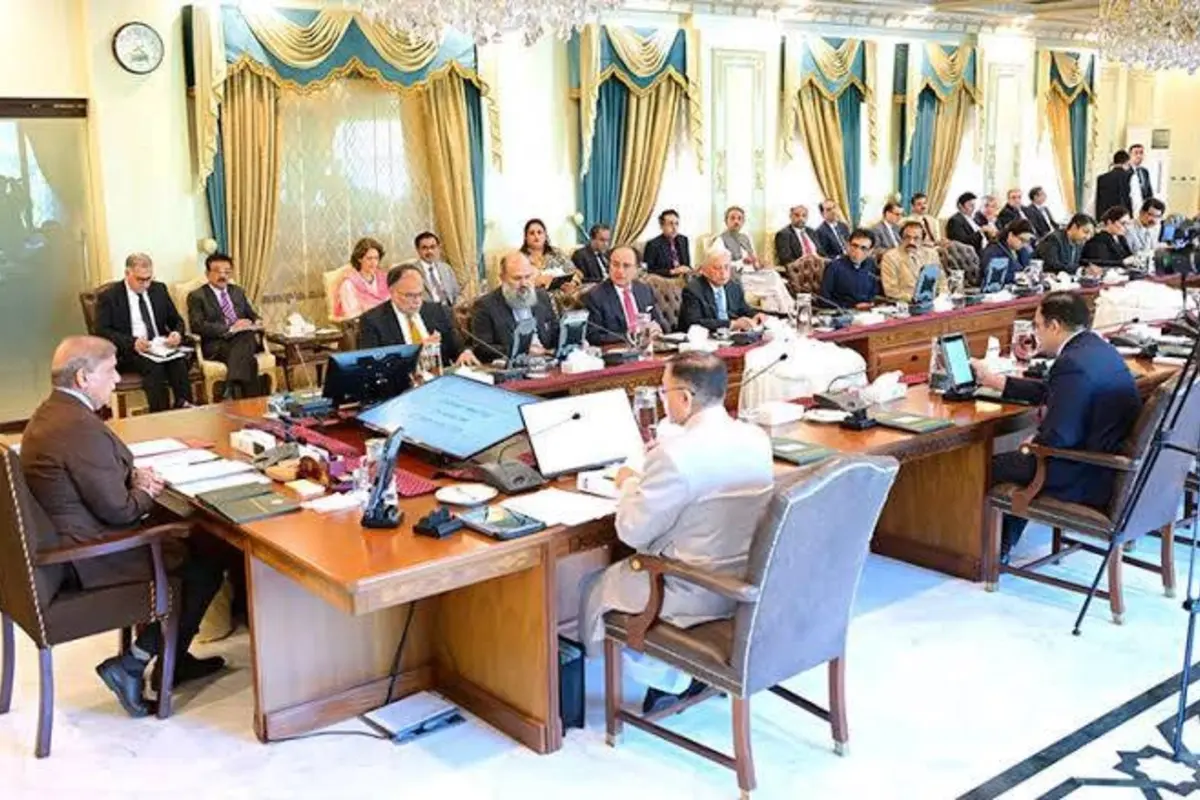
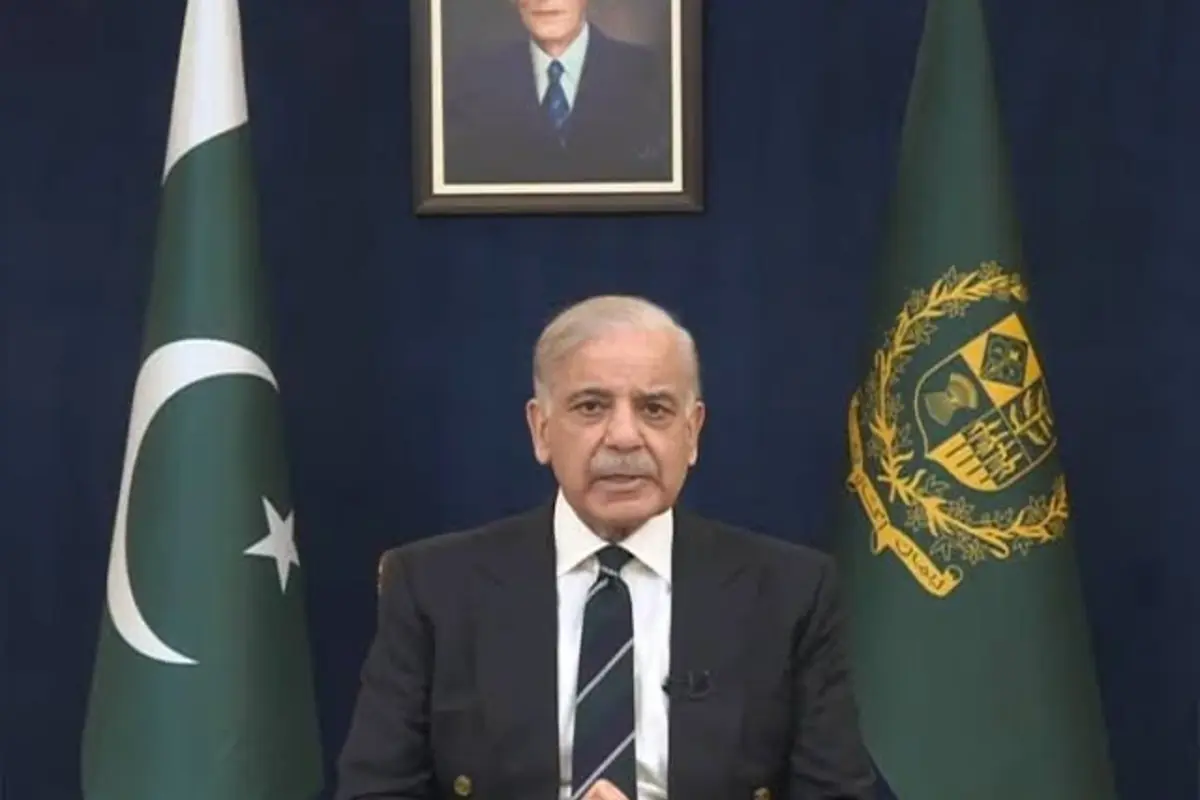
That messaging was backed by a flurry of high-level diplomatic contacts. Prime Minister Shehbaz Sharif met with the Emir of Qatar, who praised Pakistan’s active role in promoting regional peace — recognition that positions Islamabad as a credible interlocutor in a region where it maintains ties across multiple rival camps. The prime minister also held a phone call with Iranian President Masoud Pezeshkian, expressing deep concern over the regional situation and urging all parties to exercise restraint. Pezeshkian, in turn, acknowledged Pakistan’s role in supporting regional peace and stability.
Parallel outreach extended to Gulf capitals. Deputy Prime Minister Ishaq Dar spoke by phone with Saudi Arabia’s foreign minister, with both sides discussing the regional situation and recent developments before agreeing to maintain close consultation. Dar also held a separate call with Iran’s foreign minister, with both ministers agreeing to sustain regular contact on the evolving situation.
The pattern of simultaneous engagement with Tehran, Riyadh, and Doha reflects Pakistan’s long-standing balancing act in the Gulf — maintaining working relationships with rival powers rather than aligning fully with one bloc, a position that becomes more valuable, and more delicate, whenever regional tensions escalate.
Whether this diplomatic activity translates into any de-escalation depends largely on decisions made in Washington and Tehran, over which Islamabad has limited direct leverage. But Pakistan’s rapid, multi-front outreach signals it intends to position itself as an active voice for restraint rather than a passive observer, particularly given how directly a Hormuz disruption would affect its own economy.
Catch all the Pakistan News, Breaking News Event and Trending News Updates on GTV News
Join Our Whatsapp Channel GTV Whatsapp Official Channel to get the Daily News Update & Follow us on Google News.
Must Read
Pakistan
Bilawal Bhutto Pays Tribute to Karsaz Martyrs, Calls for Unity Against Terrorism
18-October،2026