
TTP Terror Network Exposed: Facilitator’s Confession Reveals Extortion and Misuse of Religious Fatwas

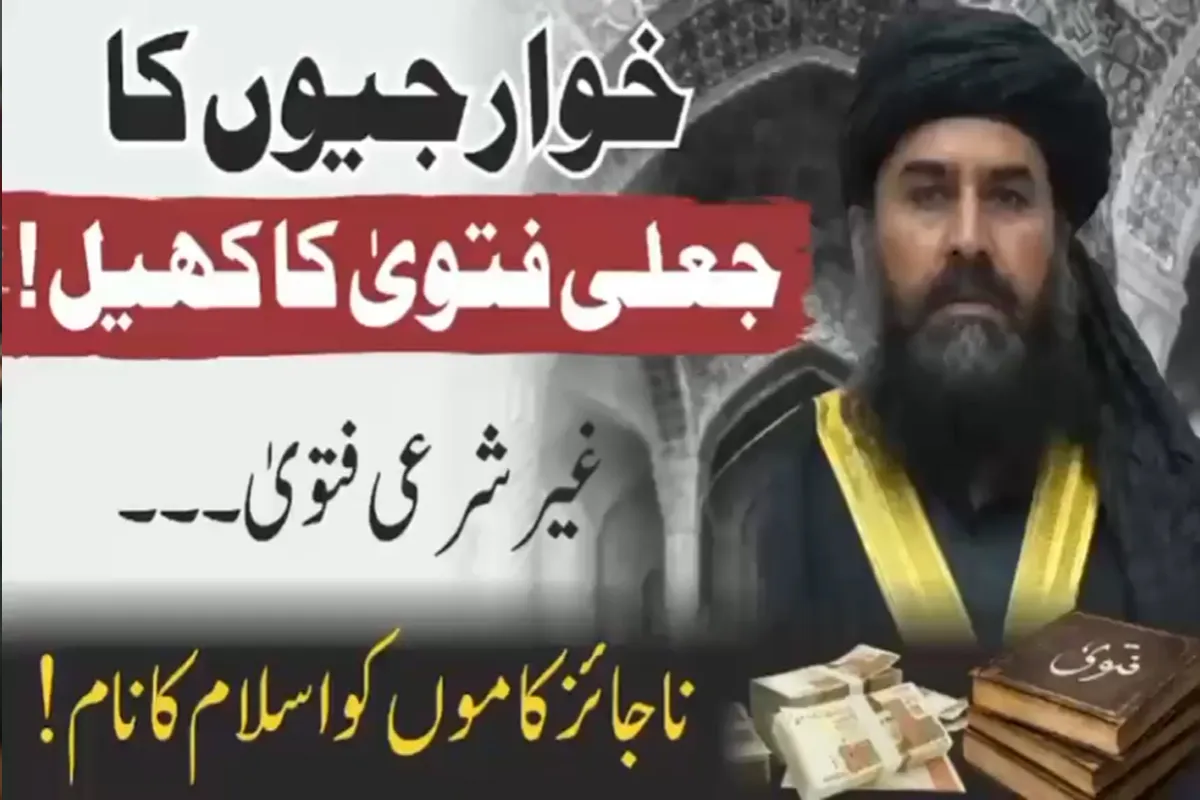
Pakistani security officials say a detained facilitator linked to Fitna al-Khawarij — the official designation for the Pakistani Taliban (TTP) — has revealed details of a network using unregistered religious seminaries and fabricated religious rulings to support extortion and militant financing. The suspect, identified as self-styled cleric Mufti Zafaryab, was reportedly arrested for his alleged role facilitating the group’s activities.
According to the disclosures, Zafaryab described completing an eight-year Dars-e-Nizami religious education program at Jamia Nizam-ul-Uloom’s orphanage department in Bannu city, followed by a three-year specialization in Islamic jurisprudence at Markaz-e-Islami Ghouryawala. He reportedly acknowledged serving as an active associate of TTP commander Hikmat Roshan and a member of the Gul Bahadur shura, a militant council operating in the region.
Zafaryab allegedly admitted that the commander sought unlawful religious rulings from him specifically to extort money and threaten businessmen in the name of jihad, with the commander offering incentives, positions, and financial benefits to him and others in exchange for cooperation, according to the disclosures. He reportedly stated that Fitna al-Khawarij has no genuine connection to Islam, describing the group as holding un-Islamic views that even justify killing fellow Muslims.
These are allegations from an individual in security custody, relayed through official channels; they have not been tested in court, and Zafaryab’s specific claims about his own history and associations remain unverified beyond what security sources have disclosed. His stated affiliation with a group tied to Jamiat Ulema-e-Islam has not been independently corroborated in this reporting, and JUI itself has not been quoted responding to any characterization linking it to this case.
Analysts say the disclosures illustrate a broader pattern in which militant networks exploit unregistered seminaries and self-appointed religious figures to lend religious cover to criminal activity, including extortion — a dynamic Pakistani security officials have flagged in previous cases involving militant financing schemes in Khyber Pakhtunkhwa. Following these revelations, officials say bringing unregistered madrassas under the National Action Plan’s DGRE (Directorate General of Religious Education) oversight framework has become increasingly necessary.
Experts note that an agreement on registering unregistered seminaries has technically been in place since 2019 among Pakistan’s representative religious seminary bodies, including Wifaq-ul-Madaris al-Arabia, under the broader Ittehad-e-Tanzeemat-e-Madaris framework — suggesting the regulatory mechanism exists on paper but enforcement gaps have allowed cases like this one to emerge regardless.
Analysts are calling for transparent scrutiny of unregistered madrassas and any political organizations linked to them, arguing this is necessary to prevent facilitation of extremism and terrorism, while stressing that improved government oversight of seminaries, curriculum standardization, and quality of religious education represent urgent priorities.
Whether this case accelerates enforcement of the long-standing 2019 registration framework, or remains an isolated prosecution without broader regulatory follow-through, will likely determine whether similar exploitation of unregistered religious institutions continues surfacing in future counter-terrorism investigations.
Catch all the Pakistan News, Breaking News Event and Trending News Updates on GTV News
Join Our Whatsapp Channel GTV Whatsapp Official Channel to get the Daily News Update & Follow us on Google News.
Must Read
Pakistan
Bilawal Bhutto Pays Tribute to Karsaz Martyrs, Calls for Unity Against Terrorism
18-October،2026