
CDF Munir, Iranian FM deepen consultations, weigh political solutions to regional crisis

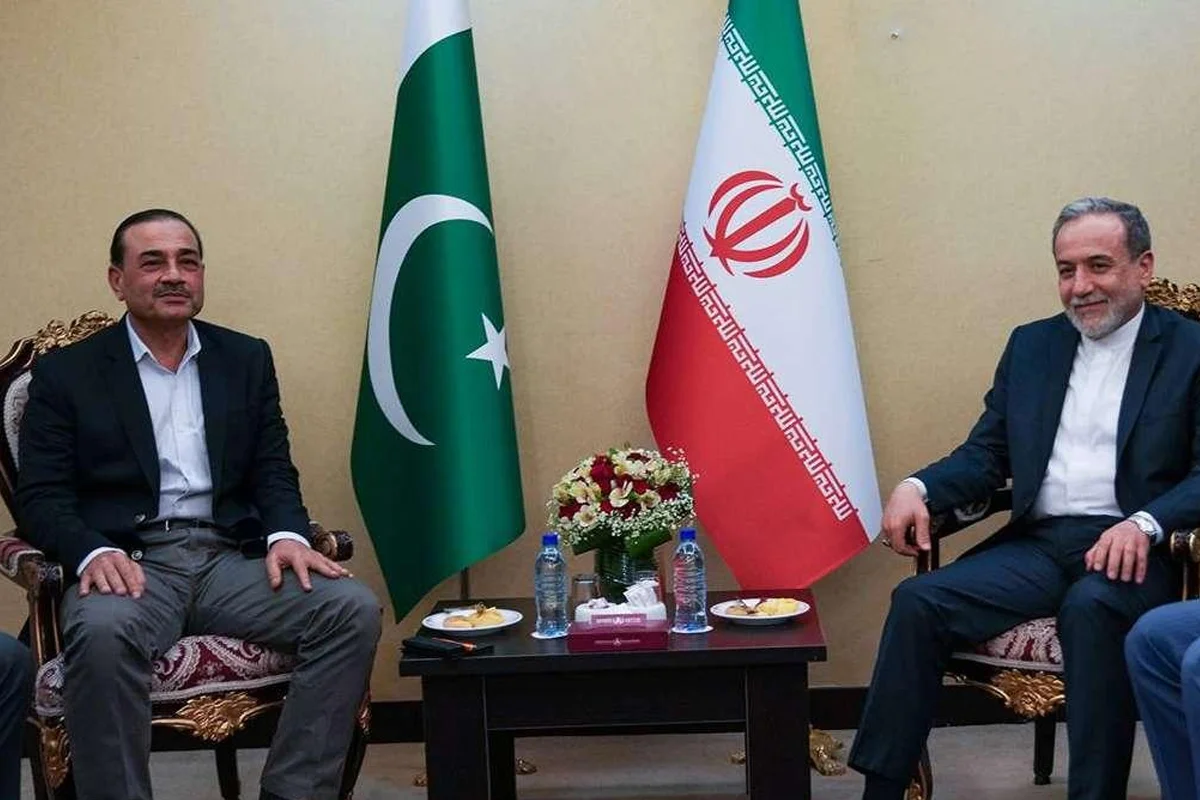
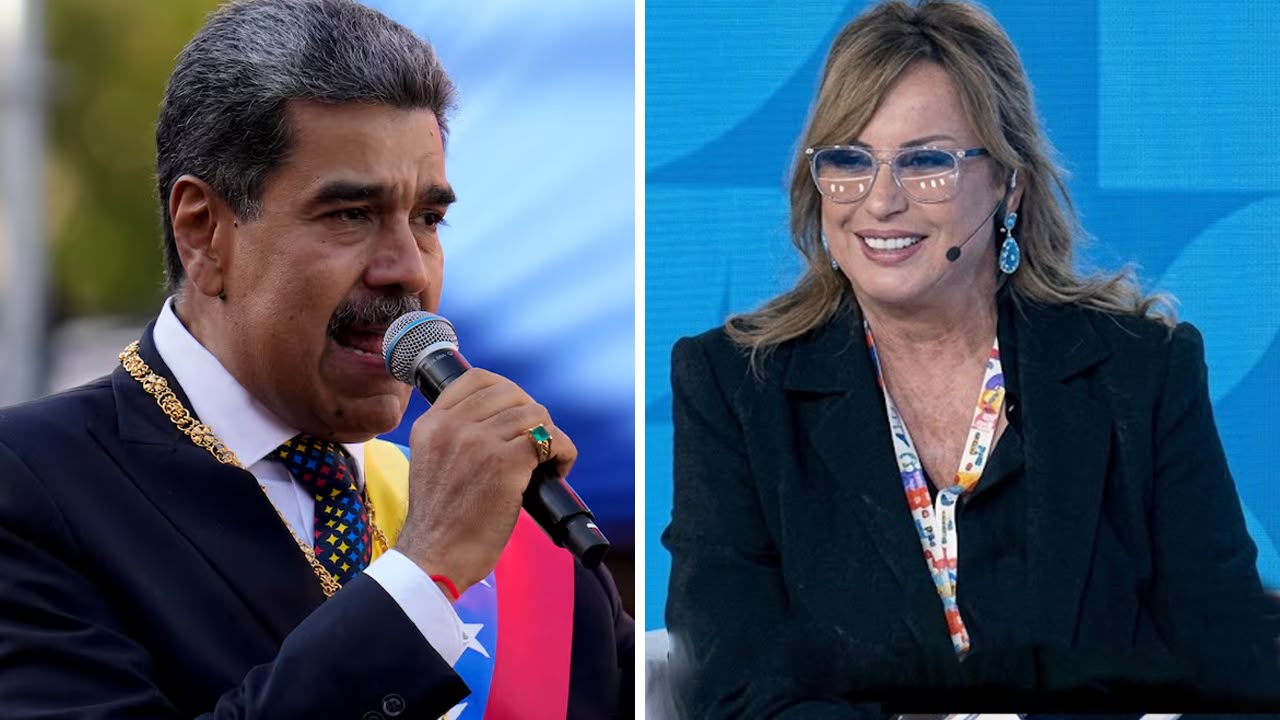
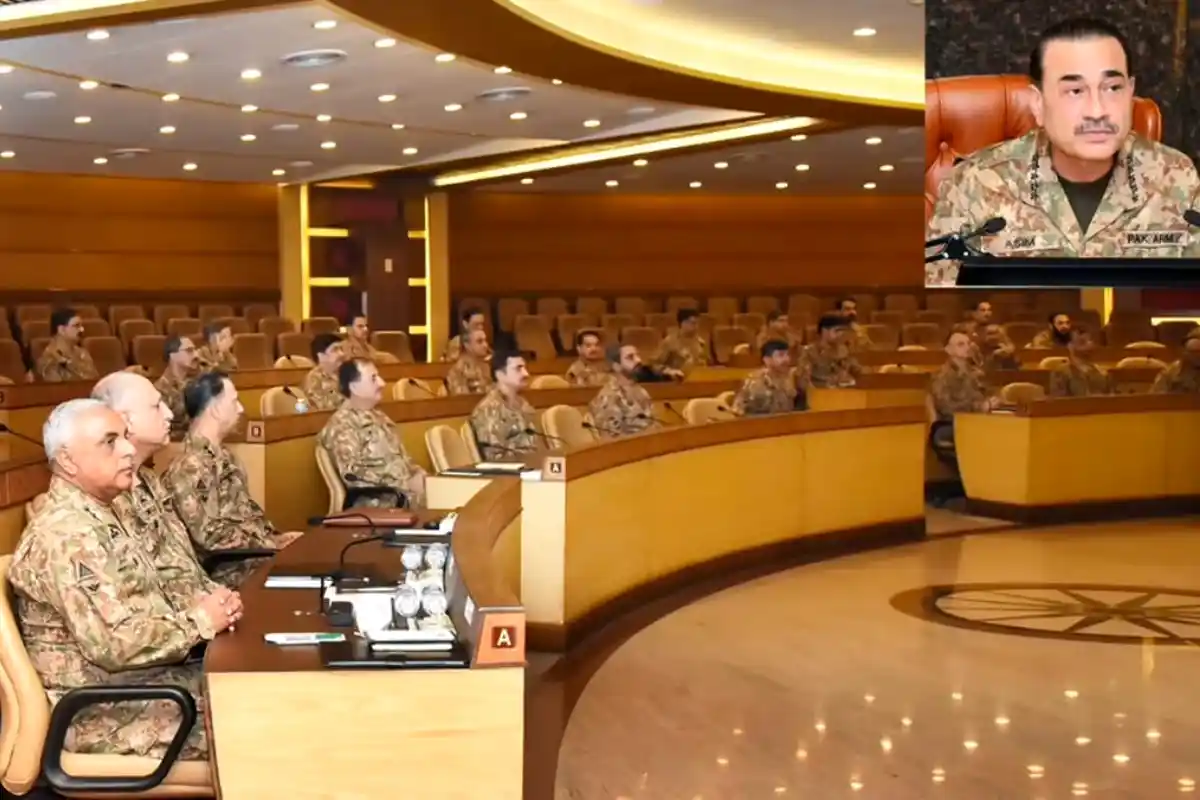
Iran’s foreign minister and Pakistan’s army chief spoke by phone again this week, continuing a direct channel between Tehran’s top diplomat and Islamabad’s top military officer that has run for months — an unusual arrangement that reflects how much of Pakistan’s Iran diplomacy has been conducted through its military leadership rather than its civilian foreign ministry alone.
Abbas Araghchi and Field Marshal Asim Munir reviewed recent diplomatic developments and exchanged views on ways to find political and diplomatic paths to end regional tensions, according to Iranian media. The two discussed various aspects of the regional situation and the importance of continued mutual consultation, agreeing to advance efforts toward a political and diplomatic resolution.
That framing is nearly identical to the language used after previous Araghchi-Munir calls stretching back to at least July, which is the more informative part of the story. Munir first emerged as a direct interlocutor for Araghchi during the diplomatic scramble in early August, when Trump briefly paused planned strikes and cited “parameters” of a deal reached partly through Gulf leaders’ input — Araghchi called Munir twice within 24 hours that week alongside separate calls to Saudi Arabia’s foreign minister. A July call between the two, by contrast, was more pointed: Araghchi used it specifically to condemn US strikes as a violation of both the UN Charter and the Islamabad memorandum, after Trump had declared the ceasefire framework “over.”
The pattern that emerges from stacking these calls together is a military channel functioning almost as a parallel diplomatic track alongside Pakistan’s civilian foreign ministry. Foreign Minister Ishaq Dar has run his own separate contacts with Araghchi — including a call in which Dar invited Araghchi to visit Pakistan — while Munir has maintained an independent, recurring line to Tehran’s top diplomat specifically, a structure that reflects Munir’s outsized role in the original April mediation that produced the June ceasefire framework in the first place.
What’s missing from this week’s readout, compared to past calls, is any acknowledgment of the ceasefire’s current fragility. Iran has publicly denied any agreement to extend the 60-day window from the June memorandum, and Araghchi himself said as recently as this weekend that no decision has been made on resuming talks with Washington at all. A call described only in general terms — “regional situation,” “political and diplomatic paths” — during a week when Iran is simultaneously rejecting reports of diplomatic progress suggests the conversation may have covered ground neither side wanted characterized more specifically in public.
Catch all the Pakistan News, Breaking News Event and Trending News Updates on GTV News
Join Our Whatsapp Channel GTV Whatsapp Official Channel to get the Daily News Update & Follow us on Google News.
Must Read