
Shining India narrative questioned amid claims of distorted data

Web Desk
14 January, 2026 11:45
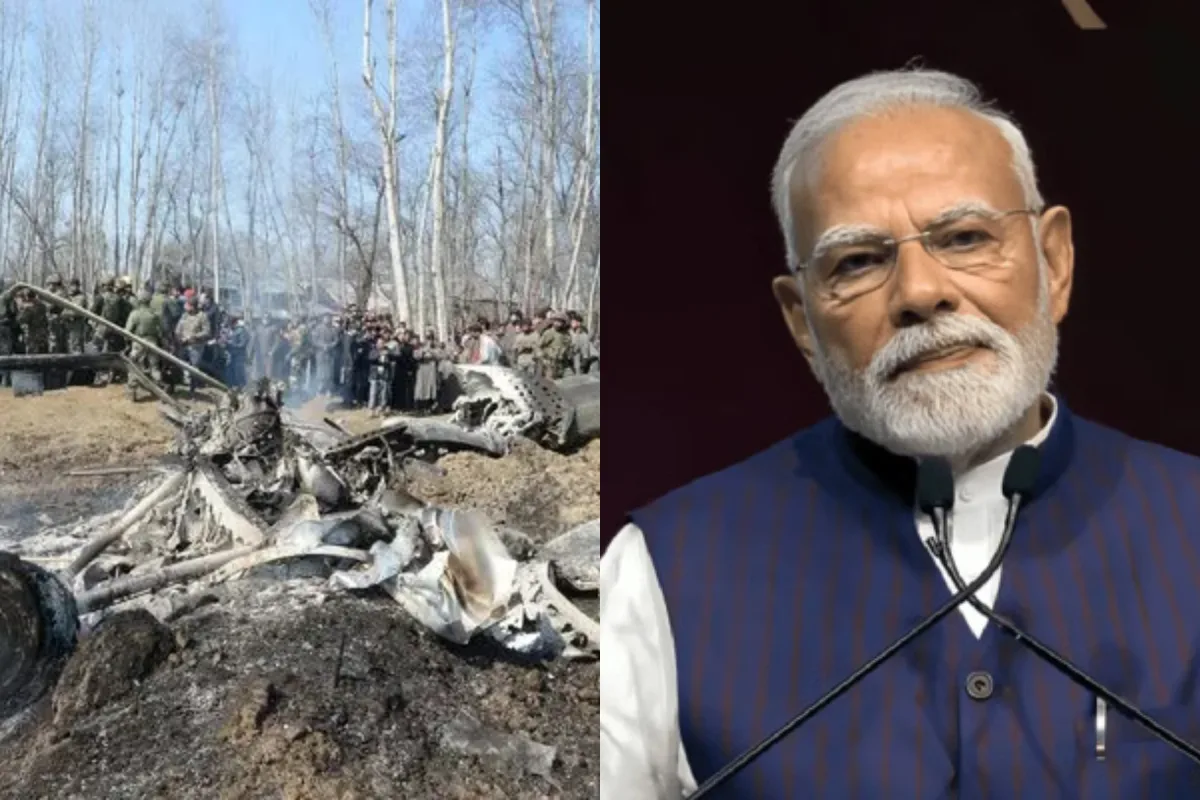
Shining India narrative questioned amid claims of distorted data
The Indian government has increasingly relied on exaggerated narratives and hypothetical figures that often stand in direct contradiction to ground realities.
Critics argue that transparency has weakened in sensitive areas such as the economy, elections, and national security, leading to a public discourse dominated by false or manipulated information. The “Shining India” narrative is often characterized by exaggerated claims and deceptive data, alongside policies that many observers believe are designed to marginalize minority groups.
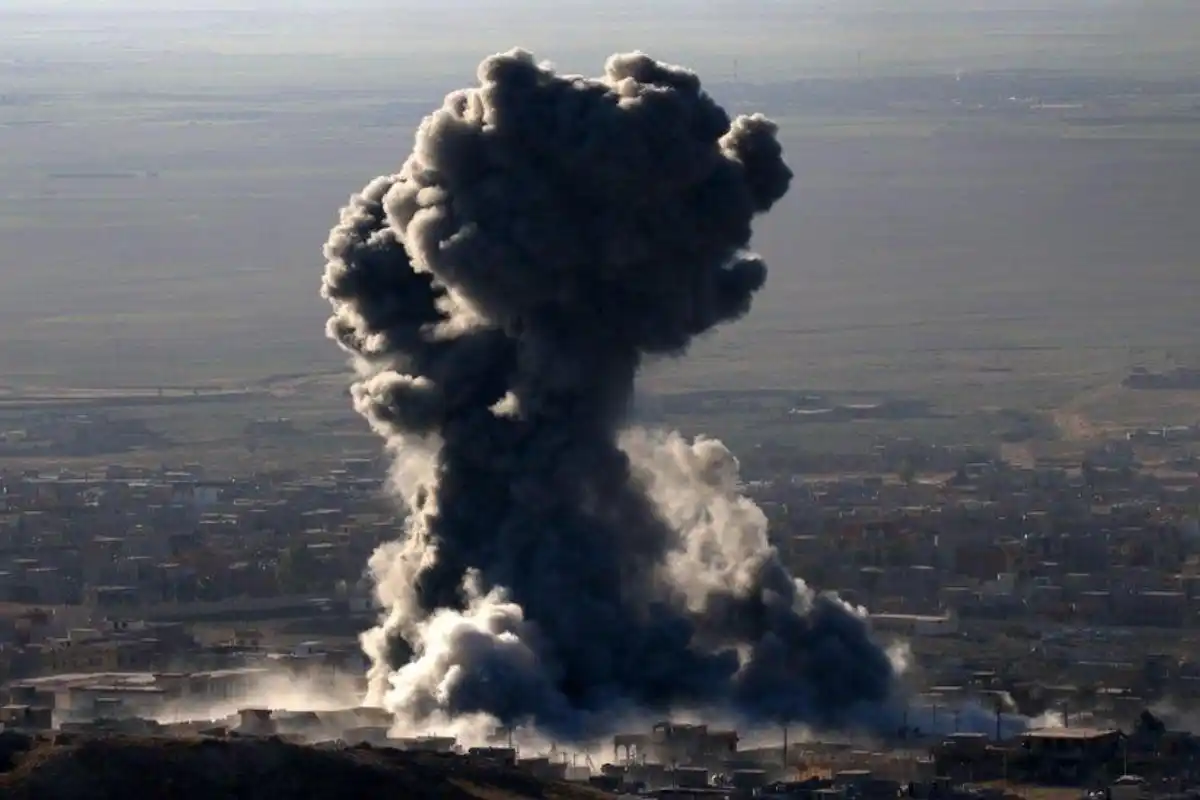
In a recent and widely discussed article titled “Hype and Fraud in India,” published in the New York Review of Books, author Christopher de Bellaigue raises critical questions about the current Indian model of governance. One of the most striking aspects of his analysis involves India’s military claims, where de Bellaigue characterizes certain state-reported “victories” as fabrications. Specifically, he refers to the events surrounding the 2019 tensions with Pakistan, claiming that several Indian aircraft were shot down despite official denials. Experts cited in the review describe these encounters as a significant symbolic victory for Pakistan, suggesting that the Indian public was sold a version of success through a staged spectacle that essentially turned war into political theater.
Beyond military matters, the article asserts that the Indian state has prioritized narrative over fact in fundamental areas such as development, poverty alleviation, and employment. While the government maintains a public image of rapid economic progress, systemic issues like unemployment and inequality continue to persist within the informal economy. According to de Bellaigue, the government has significantly altered the methodologies for measuring poverty and unemployment since 2014, while simultaneously weakening the independence of data-gathering and fact-checking institutions.
The article highlights specific discrepancies, such as a claim attributed to the World Bank in early 2025 stating that extreme poverty in India fell from 16.2% in 2011–12 to a mere 2.3% in 2022–23. However, independent researchers and academics, including Professor S. Subramanian, have raised serious concerns about the validity of these figures. Alternative studies suggest that the actual poverty levels are much higher than the state suggests. Arvind Subramanian, the former Chief Economic Advisor to the Government of India, has also warned that the true economic picture is being obscured by data suppression.
The critique extends to the state of Indian democracy, suggesting that transparency in the electoral process has become so limited that democratic participation is becoming a mere formality.
Furthermore, the abolition of Jammu and Kashmir’s constitutional autonomy and the introduction of religious bias in citizenship laws are viewed as part of a broader plan to marginalize the Muslim population. This shift has led publications like The Economist to describe India as a state moving toward dictatorship.
Ultimately, de Bellaigue’s analysis concludes that a state capable of misrepresenting figures on poverty, employment, and elections will likely be equally untruthful regarding matters of war, suggesting that the entire Indian system—rather than any single policy—is now under question.
Catch all the World News, Breaking News Event and Trending News Updates on GTV News
Join Our Whatsapp Channel GTV Whatsapp Official Channel to get the Daily News Update & Follow us on Google News.
Must Read