Trump Warns “Sometimes You Have to Use Force” as US-Iran Talks End Without Deal

Web Desk
28 February, 2026 12:53
Trump Warns “Sometimes You Have to Use Force” as US-Iran Talks End Without Deal
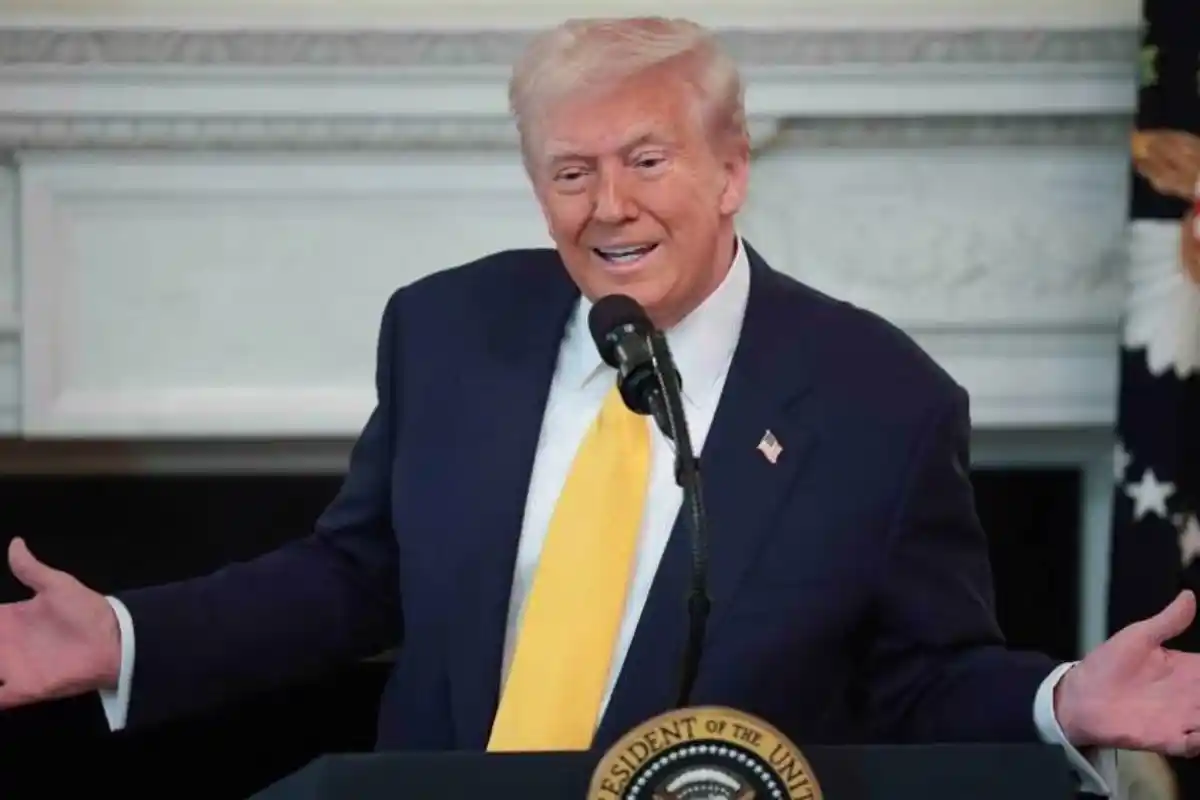
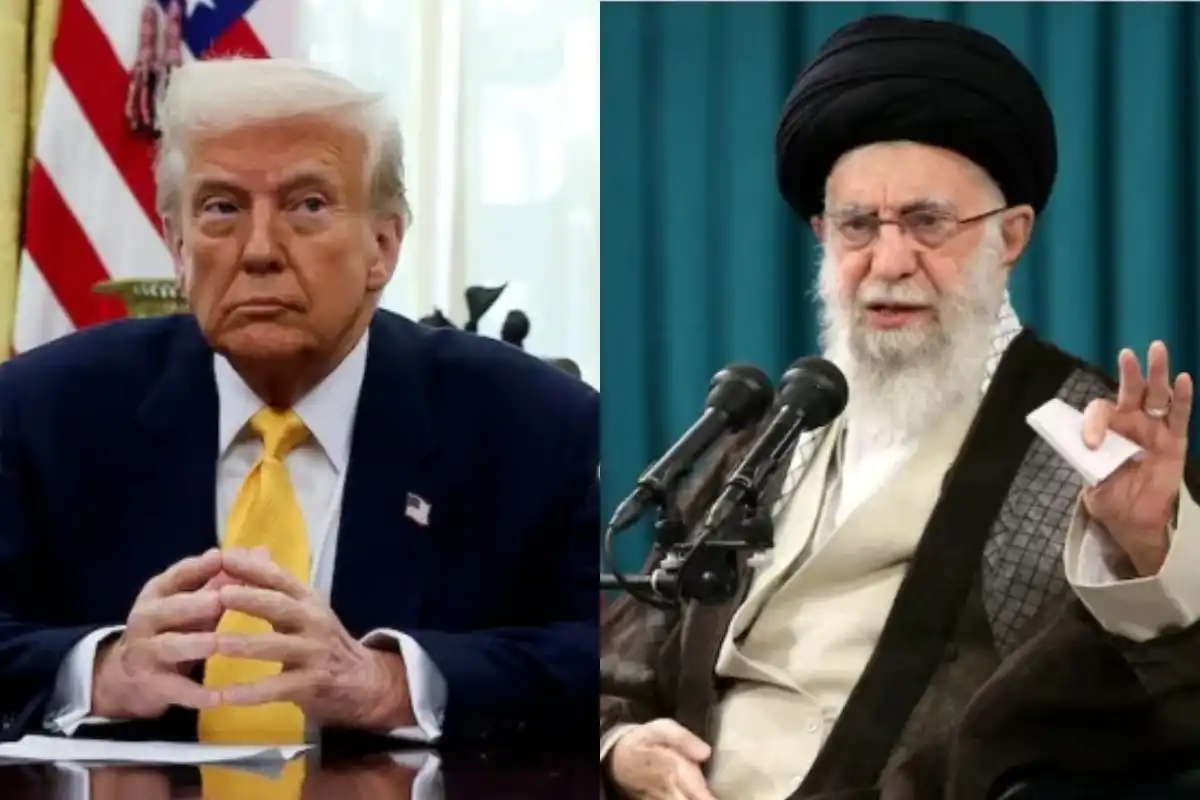
US President Donald Trump expressed frustration over ongoing negotiations with Iran concerning its nuclear program, warning that “sometimes you have to use force,” amid a significant US military presence in the region that could signal potential strikes on Tehran.
Trump has intensified diplomatic and military pressure on Iran following the country’s recent crackdown on protesters, seeking to compel Iranian leaders to abandon nuclear ambitions and other activities Washington considers destabilizing.
Talks End Without Agreement
The latest round of negotiations, held Thursday in Geneva between US envoys Steve Witkoff and Jared Kushner and Iranian officials, concluded without a deal. Trump, speaking in Corpus Christi, Texas, said:
“They don’t want to say the key words, ‘We’re not going to have a nuclear weapon’. So I’m not happy with the negotiation.”
Iran denies it seeks nuclear weapons and has insisted any agreement must include lifting US sanctions. Oman, acting as a mediator, has expressed optimism that a deal remains possible. Omani Foreign Minister Sayyid Badr Albusaidi stated, “A peace deal is within our reach […] if we just allow diplomacy the space it needs to get there.”
US Military Presence and Strategic Planning
Two US aircraft carrier groups are currently deployed in the region, awaiting Trump’s potential orders. While he has not made a final decision, Trump emphasized the country’s military strength, stating:
“I’d love not to use it, but sometimes you have to.”
Additional talks are expected, including discussions involving US Vice President JD Vance and Oman’s foreign minister in Washington. Top US defense officials have also been involved in White House deliberations regarding options against Iran.
Intelligence and Missile Capabilities
Trump has claimed that Iran could soon possess missiles capable of reaching the US, though US intelligence reportedly disputes this timeline. Sources indicate that Iran may require until 2035 to develop a militarily viable intercontinental ballistic missile (ICBM). White House spokesperson Anna Kelly defended Trump’s concerns, stating:
“President Trump is absolutely right to highlight the grave concern posed by Iran, a country that chants ‘death to America,’ possessing intercontinental ballistic missiles.”
Iranian officials, including Foreign Minister Abbas Araghchi, have repeatedly denied expanding missile capabilities, asserting their program is limited to self-defense and not intended to threaten global security.
Next Steps
Secretary of State Marco Rubio is scheduled to hold talks in Israel with Prime Minister Benjamin Netanyahu, while the US continues to evaluate diplomatic and military options. Trump has stressed that although he prefers diplomacy, all measures remain on the table to ensure US security.
The situation marks one of the most tense moments in US-Iran relations since the 1979 Islamic Revolution, with global observers watching closely as both sides weigh the possibility of renewed conflict.
Catch all the World News, Breaking News Event and Trending News Updates on GTV News
Join Our Whatsapp Channel GTV Whatsapp Official Channel to get the Daily News Update & Follow us on Google News.
Must Read