Several major airlines, including Australia’s Qantas Airways, Scandinavia’s SAS, and Air New Zealand, announced airfare increases on Tuesday, citing a sharp rise in fuel costs caused by the ongoing conflict in the Middle East.
Jet fuel prices, which were previously around $85–$90 per barrel before recent US-Israeli strikes on Iran, have surged to between $150 and $200 per barrel, Air New Zealand reported. The airline also suspended its financial outlook for 2026 due to uncertainty over the evolving situation.
The conflict has disrupted oil shipments through a key global export route, sending prices soaring, pushing airline tickets higher on certain routes, and raising concerns about a potential slowdown in global air travel that could result in widespread flight disruptions.
“Increases of this magnitude make it necessary to react in order to maintain stable and reliable operations,” a SAS spokesperson said, adding the airline had implemented a “temporary price adjustment”. SAS also noted that it had no fuel hedging in place for the next 12 months, having adjusted its hedging policy last year due to uncertain market conditions.

Other airlines, such as Lufthansa and Ryanair, have hedged part of their fuel purchases at fixed prices, while Finnair warned that a prolonged crisis could affect both fuel prices and availability, though over 80% of its first-quarter fuel purchases were already hedged.
Airspace disruptions have also affected operations. Flights arriving in Dubai were briefly put in holding patterns due to a potential missile threat, according to flight-tracking service Flightradar24. Qantas said it was exploring redeployment of capacity to Europe to avoid Middle East airspace disruptions.
Airfares on Asia-Europe routes have risen sharply due to airspace closures and limited capacity, prompting carriers such as Hong Kong’s Cathay Pacific Airways to add extra flights to London and Zurich in March. Air New Zealand raised one-way fares by NZ$10 on domestic flights, NZ$20 on short-haul international routes, and NZ$90 on long-haul flights, with further adjustments possible if fuel prices remain high. Hong Kong Airlines announced fuel surcharges could rise by up to 35.2%, particularly on flights to the Maldives, Bangladesh, and Nepal.
Some airline stocks showed recovery after Monday’s sell-off, with Qantas up 0.5%, Korean Air Lines rising 3%, and Cathay Pacific increasing 3.6% as oil prices fell to around $90 per barrel from a high of $119.
Fuel remains the second-largest operating expense for airlines, typically accounting for 20–25% of total costs. The combination of rising fuel prices and shrinking available airspace is putting additional pressure on carriers, as pilots reroute to avoid conflict zones and capacity on popular routes becomes limited.
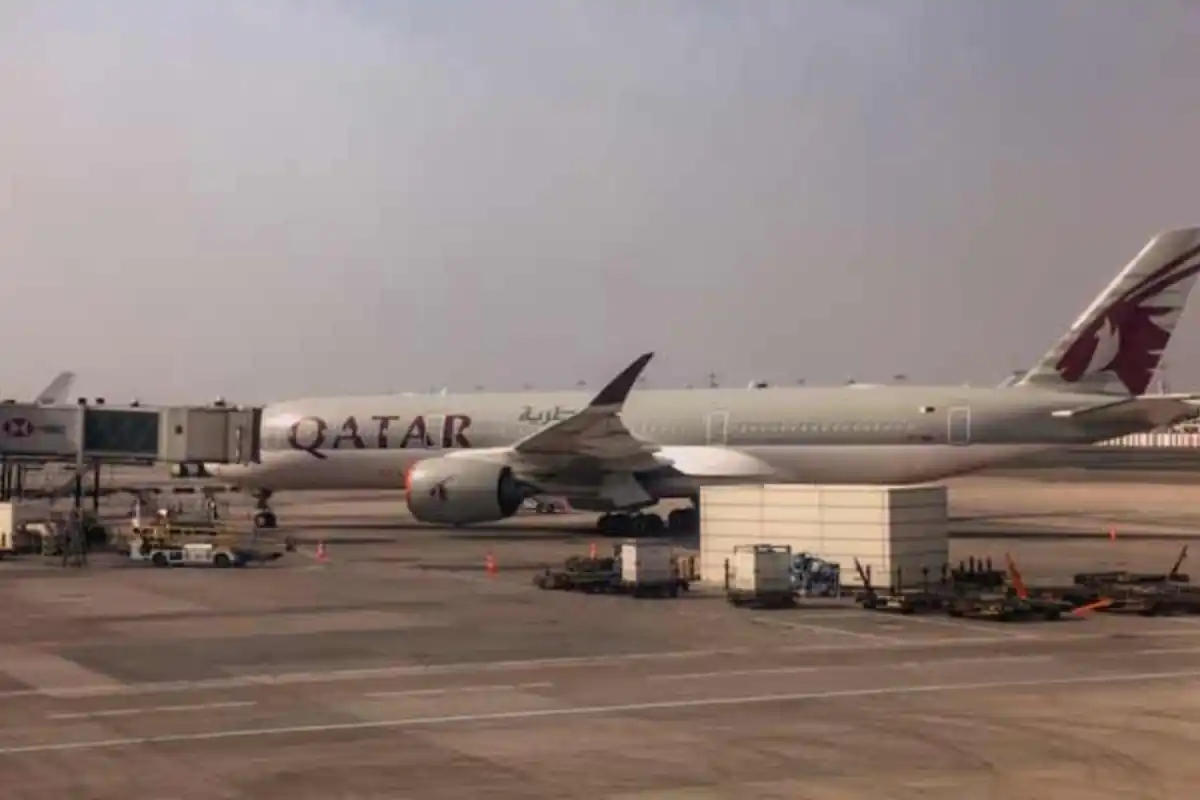
Airlines in the Middle East, including Emirates, Qatar Airways, and Etihad Airways, typically carry a significant portion of passengers between Europe and Asia, highlighting the global impact of airspace disruptions on long-haul flights to Australia, New Zealand, and nearby Pacific islands.
European carriers, already affected by rerouting around Russian airspace during the Ukraine conflict, now face further operational challenges as available international airspace continues to shrink.