

US Records Sharpest Fuel Price Surge in G7 Amid Iran Conflict and Global Oil Disruption

US Records Sharpest Fuel Price Surge in G7 Amid Iran Conflict and Global Oil Disruption
The ongoing conflict involving the United States and Israel against Iran has triggered a sharp rise in global fuel prices, with the United States experiencing the fastest increase among G7 nations.
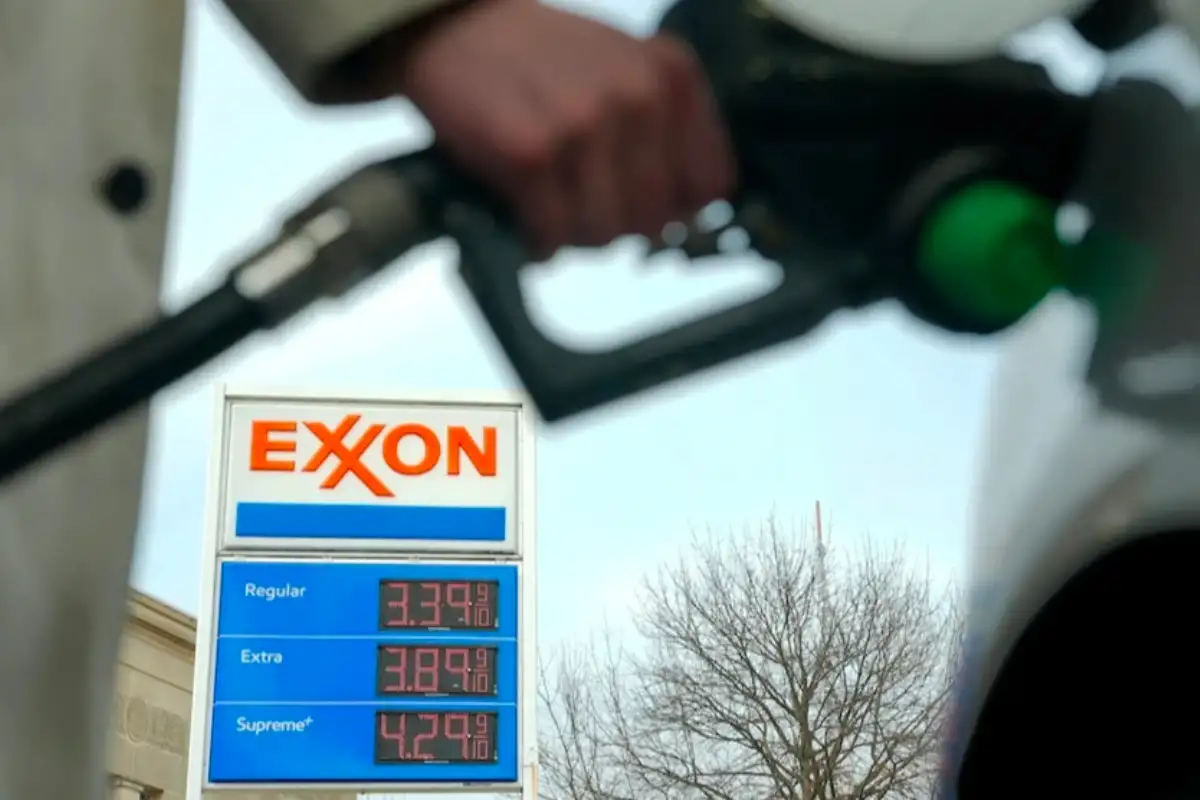
According to data cited by JPMorgan, petrol prices in the US have surged by 42 percent since late February, when military operations involving the US and Israel began against Iran. This marks the steepest rise compared to other G7 economies.
In comparison, Canada recorded a 24 percent increase in fuel prices, while the United Kingdom saw a 19 percent rise over the same period. Analysts note that while all major economies have been affected, the impact has been uneven across regions.
A report also highlighted that several Asian countries, including Myanmar, Malaysia, and Pakistan, have experienced significant fuel price increases due to global supply disruptions. Analyst Natasha Kaneva of JPMorgan stated that “the most immediate physical disruption has been felt in south-east Asia,” adding that the United States has unexpectedly become “the second most affected region in price terms.”
The American Automobile Association (AAA) reported that average petrol prices in the US reached $4.39 per gallon, the highest level since the 2022 Russia-Ukraine conflict, and significantly higher than pre-war levels of $2.98.
Experts say the impact has been softened in some countries due to government subsidies and tax cuts. However, in the US, consumers are largely bearing the rising costs. Research analyst Edward Hayden-Briffett explained that “in the US, it’s the consumer bearing the cost, whereas in other countries the state is doing more to absorb the additional cost.”
The conflict has also disrupted global oil flows, particularly through the Strait of Hormuz, a critical route handling nearly one-fifth of global oil supply. Since the escalation began on February 28 and a ceasefire was brokered on April 8, restrictions and heightened tensions in the region have contributed to ongoing supply uncertainty.
Although coordinated shipping is still allowed for most vessels, restrictions reportedly apply to US and Israeli-linked ships.
The energy crisis has contributed to rising inflation and political pressure in the United States, with recent polls showing declining approval ratings for President Donald Trump amid growing economic concerns.
Catch all the World News, Breaking News Event and Trending News Updates on GTV News
Join Our Whatsapp Channel GTV Whatsapp Official Channel to get the Daily News Update & Follow us on Google News.
Must Read