Trump Orders Strong US Military Response After Iran Shoots Down Apache Helicopter in Strait of Hormuz

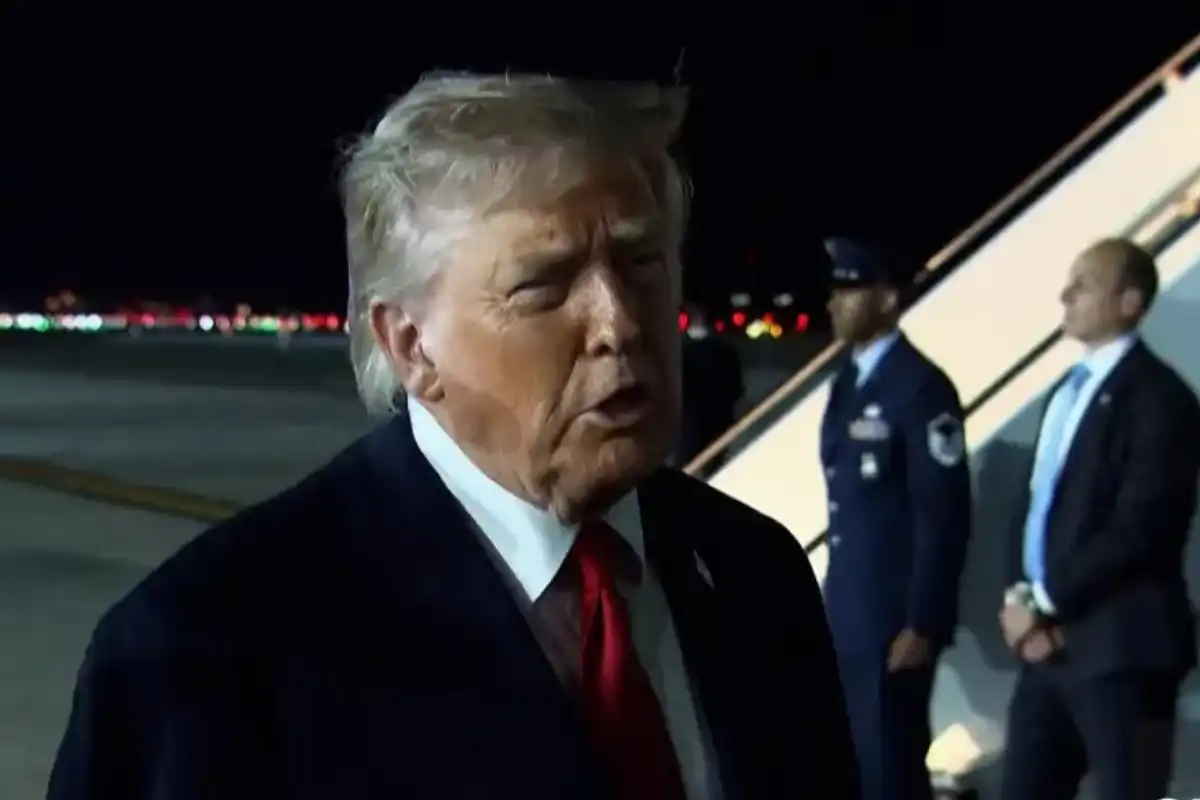
Trump Orders Strong US Military Response After Iran Shoots Down Apache Helicopter in Strait of Hormuz
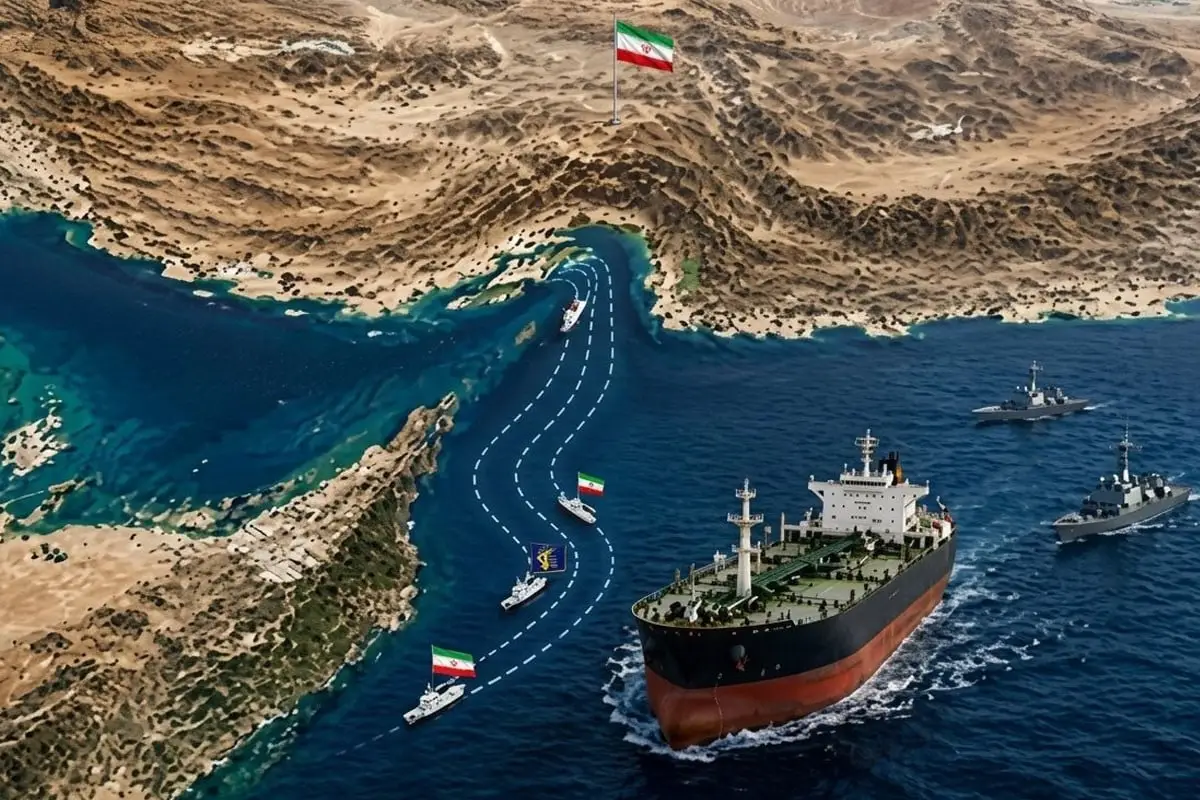
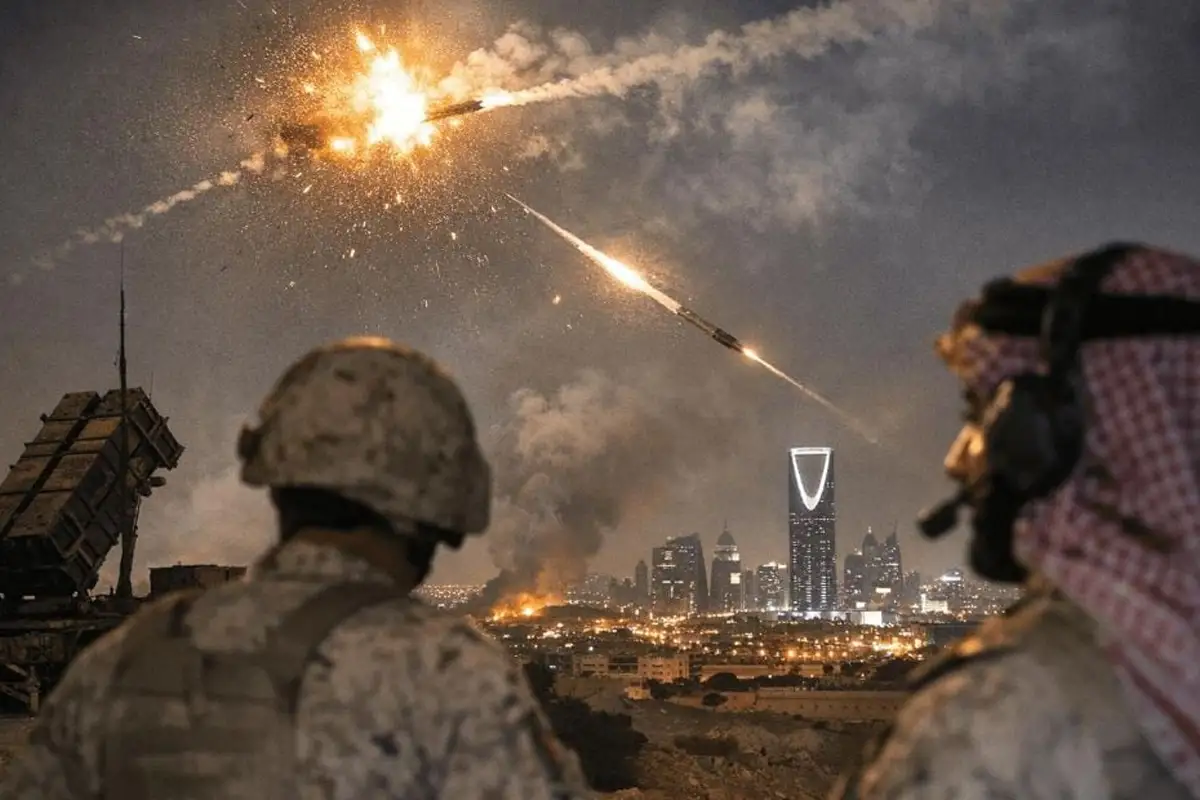
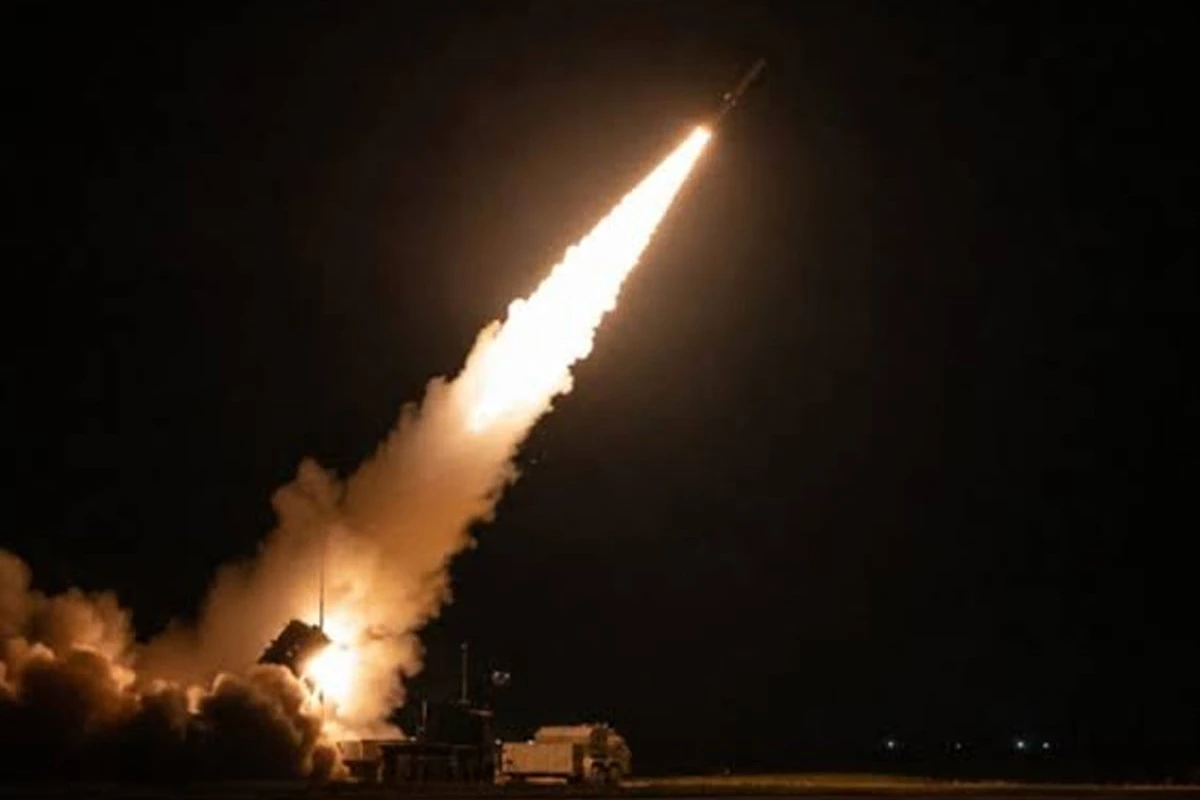
The United States launched military strikes against Iran on Tuesday after President Donald Trump announced that Tehran had brought down a US Apache helicopter in the Strait of Hormuz, casting fresh doubt on the fragile prospects for a lasting peace agreement between the two nations.
“They shot down a helicopter, and we are responding as we speak,” Trump told ABC News. “I believe the response should be very strong, very powerful, and that’s what this one is.”
Iranian state media confirmed that Qeshm Island in the Strait of Hormuz was struck and that a projectile impact was confirmed in Sirik. Iran’s Fars news agency reported that explosions were heard across eastern parts of Hormozgan Province. Trump had earlier confirmed that both US pilots involved in the incident were unharmed. A US official, speaking anonymously, disclosed that the Apache was brought down by a one-way Iranian attack drone.
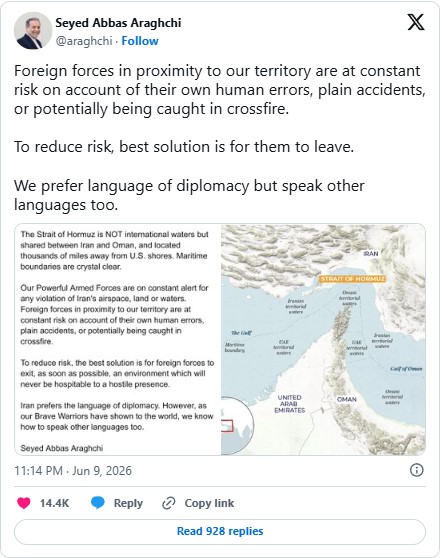
Iran’s Foreign Minister Abbas Araqchi stopped short of directly addressing the helicopter incident but warned that foreign forces in the region face the constant risk of accidents or being caught in crossfire. “To reduce risk, best solution is for them to leave,” he posted on social media. Iran’s state media later quoted a military source denying that any offensive air operations had been conducted in the Strait of Hormuz in the preceding 24 hours, while warning of a decisive response should the enemy renew hostilities.
Trump separately told The Wall Street Journal that the incident “wasn’t a big deal” and emphasized that “the pilot is fine.” US Central Command confirmed that a Navy surface drone rescued both crew members after around two hours, with soldiers described as being in stable condition — a more measured assessment than the president’s earlier remarks.
The incident threatens to further strain ongoing negotiations aimed at ending the broader Middle East conflict and reopening the Strait of Hormuz — a critical artery that previously carried one-fifth of the world’s crude oil and liquefied natural gas. Trump has repeatedly stated that Iran and the US are close to a deal, yet little tangible progress has been made since a precarious ceasefire took hold in early April.
In a parallel front, Israel struck the historic port city of Tyre in southern Lebanon, killing at least eight people — the deadliest attack on the city since Lebanon’s conflict reignited in early March when Hezbollah launched rockets into Israel. Trump told Axios that he had personally cautioned Israeli Prime Minister Benjamin Netanyahu against returning to war with Iran: “I said, ‘Bibi, you better be careful, or you will be on your own very soon.'”
Tehran has maintained that any peace deal with Washington must include a halt to the fighting in Lebanon. Iran and Israel exchanged airstrikes earlier in the week, resulting in two fatalities in the Iranian capital. Meanwhile, Iran continues to block the majority of shipping through the Strait of Hormuz, while the US has imposed its own blockade of Iranian ports. US Energy Secretary Chris Wright indicated that vessel traffic through Hormuz is rising “very meaningfully” but acknowledged it would take many months to restore normal energy flows once the conflict ends.
Any final peace agreement, Trump has insisted, must guarantee that Iran cannot develop a nuclear weapon. Iran’s stated conditions include the lifting of international sanctions, the release of frozen assets worth billions of dollars, and formal recognition of its control over the strait.
Catch all the World News, Breaking News Event and Trending News Updates on GTV News
Join Our Whatsapp Channel GTV Whatsapp Official Channel to get the Daily News Update & Follow us on Google News.
Must Read

Entertainment
Arjun Bijlani’s Wife Neha Faces Severe Backlash Over Allah, Rasool T-Shirt
14-October،2026