
Iran Parliament Speaker Declares Victory Near as Nation’s Resistance Outlasts Enemy’s Goals

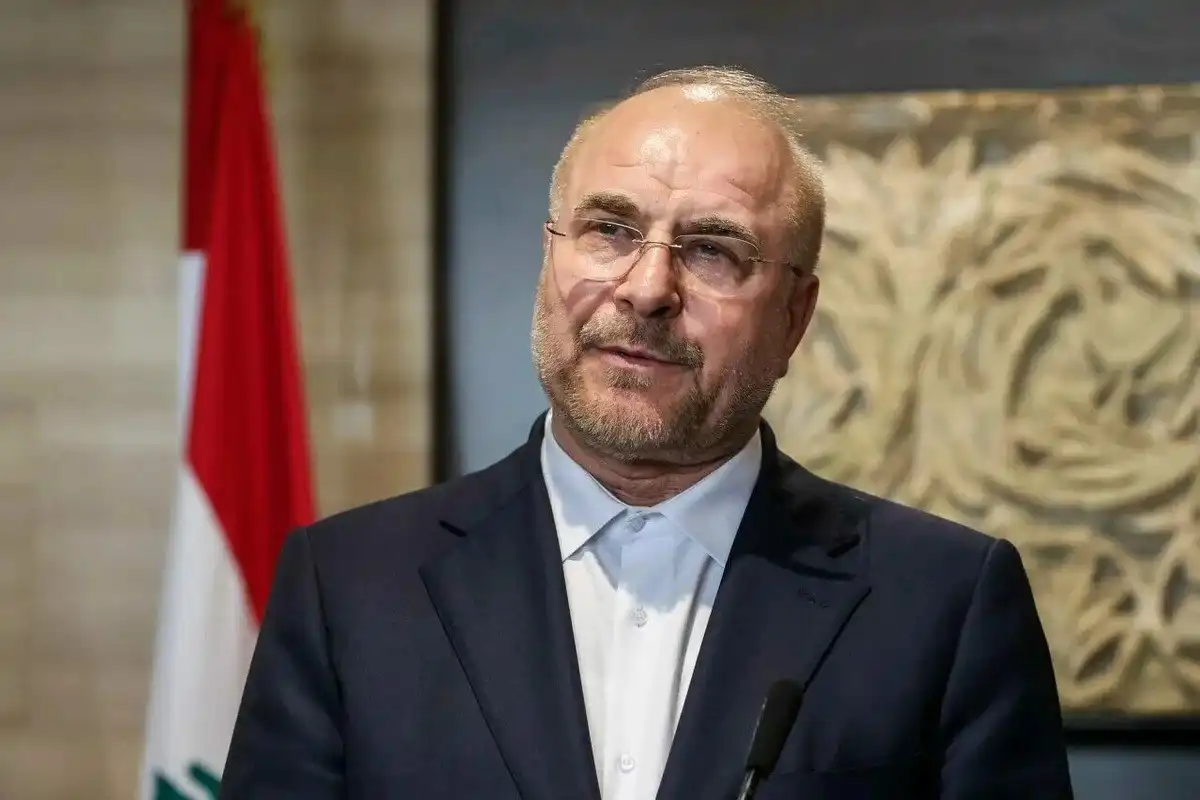
Qalibaf says Trump deleted Hormuz tweet after mediators’ request
When a parliament speaker uses the word victory before a deal is signed, he is not describing a military outcome — he is shaping the political narrative that will define what comes after.
Iranian Parliament Speaker Baqer Ghalibaf has delivered his most assertive public assessment of the conflict’s trajectory, declaring that Iran’s sustained resistance has brought the country to the threshold of complete victory and that every objective the enemy pursued has failed. The statement is as much political architecture as military commentary — positioning Iran’s leadership to claim vindication regardless of how the final agreement is structured.
What Ghalibaf Actually Said
Ghalibaf stated that adversaries pursued Iran’s destruction through every available means and attempted to force unconditional surrender — and failed comprehensively. He affirmed that Iran holds its principled positions without compromise, that the sacrifices of the Iranian people will not be wasted, and that final and complete victory belongs to Iran alone.
The framing is deliberate. By declaring enemy objectives comprehensively failed before any agreement is finalized, Ghalibaf preemptively defines any negotiated outcome as Iranian success rather than mutual compromise. Whatever concessions Tehran makes at the June 22 table can now be presented domestically as terms dictated from a position of strength — not concessions extracted under pressure.
The Domestic Political Function
Iran’s leadership faces a genuine internal communication challenge. The conflict produced real costs — infrastructure damage, civilian disruption, economic pressure from sustained sanctions and blockade. Satellite imagery confirmed missile facility damage. CIA assessments acknowledged Iranian military degradation even while noting 70 percent capability retention.
Ghalibaf’s victory narrative serves a specific domestic purpose: it allows the government to enter negotiations, make necessary compromises, and return with an agreement while maintaining the political credibility that comes from never having appeared to capitulate. In Iran’s political culture — shaped by the 1979 revolution’s resistance ideology and the 1980-88 war’s endurance narrative — being seen to negotiate from weakness carries severe legitimacy costs.
Historical Precedent: The Khomeini Poison Chalice
The closest historical parallel is Ayatollah Khomeini’s 1988 acceptance of UN Resolution 598, ending the Iran-Iraq war. Khomeini famously described accepting the ceasefire as “drinking poison” — an acknowledgment of painful necessity framed as survival rather than defeat. That framing preserved revolutionary legitimacy while accepting military reality.
Ghalibaf is constructing the opposite frame — projecting triumph rather than endurance. Whether Iranian public opinion accepts that framing depends largely on what the final agreement actually delivers in sanctions relief, frozen asset recovery, and Hormuz normalization.
What This Signals for June 22
A parliament speaker declaring imminent victory days before comprehensive talks is sending a message to Iran’s negotiating team as much as to the public: do not return with terms that contradict this narrative. The political space for significant compromise just narrowed domestically, even as diplomatic pressure for agreement intensifies externally.
Iran’s negotiators must now deliver a deal that can be sold as victory. That constraint shapes every position they bring to the table.
Catch all the World News, Breaking News Event and Trending News Updates on GTV News
Join Our Whatsapp Channel GTV Whatsapp Official Channel to get the Daily News Update & Follow us on Google News.
Must Read
Pakistan
Sindh Government Allocates Rs5 Billion to Activate Karachi’s TP-1 Sewage Treatment Plant
3-October،2026