
Hormuz Will Never Return to Pre-War Normal, Iran’s Maritime Chief Warns

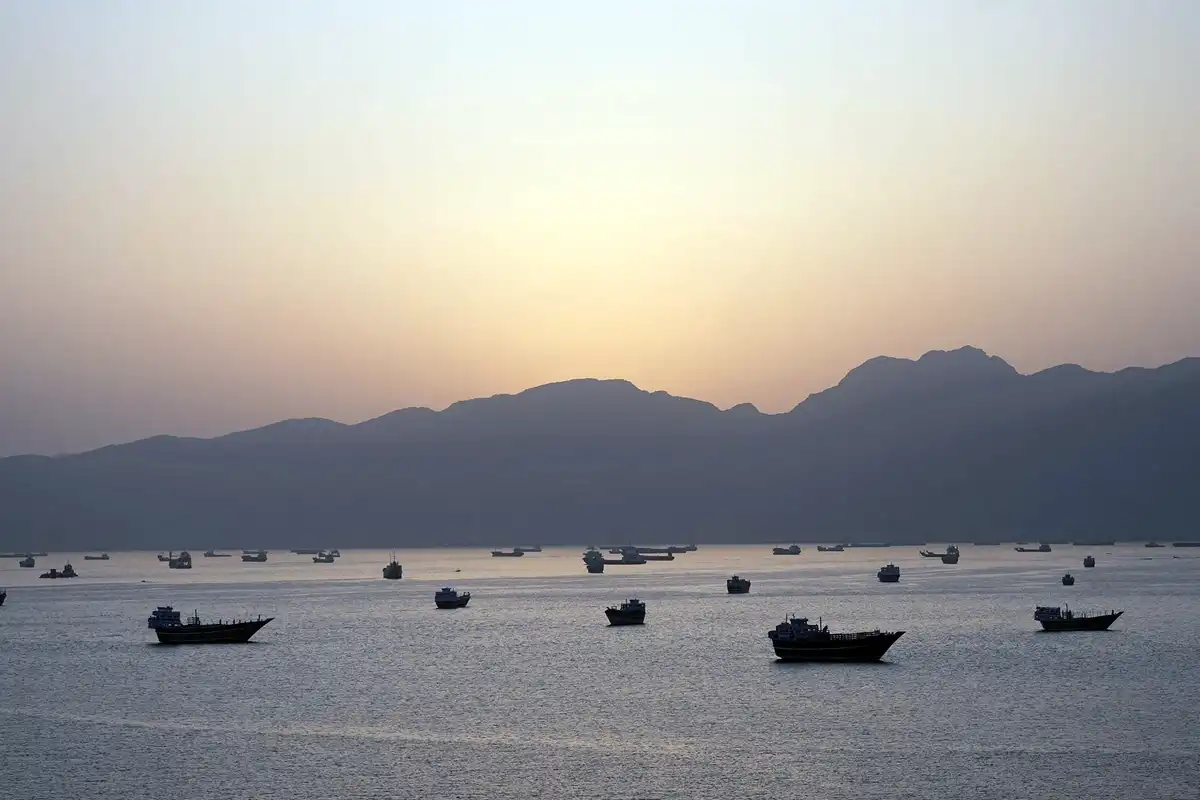
The ceasefire may be coming. The old shipping order through the world’s most critical oil chokepoint is not.
Saman Rezaei, head of Iran’s Merchant Marine Union and secretary-general of the Iranian Merchant Mariners Syndicate — an organization affiliated with the International Transport Workers Federation — has delivered a stark assessment to Arab media: the Strait of Hormuz’s commercial shipping framework has been permanently altered by the conflict, and no diplomatic agreement will restore what existed before.
A Century-Old System, Broken
Rezaei’s argument is structural, not rhetorical. For centuries, the Strait of Hormuz functioned as one of global shipping’s most reliable transit corridors — moving approximately 20 percent of the world’s oil supply and vast volumes of liquefied natural gas daily through a 21-mile-wide navigable channel. That reliability was underwritten by implicit agreements between coastal states, international maritime law, and consistent US naval dominance.
The conflict shattered each of those underpinnings simultaneously. Iran established the Persian Gulf Strait Authority as a new regulatory mechanism. US naval assets absorbed damage from Iranian strikes. Insurance frameworks collapsed. And the psychological guarantee that Hormuz was safe for commercial transit — the invisible infrastructure that makes global shipping possible — evaporated.
That guarantee cannot be restored by a ceasefire announcement. It requires sustained, incident-free operation over an extended period before insurers, shipping companies, and cargo owners will treat the strait as reliably safe again.
The ITF Timeline: Months, Not Weeks
The International Transport Workers Federation, which Rezaei’s organization feeds into directly, has assessed that normalization will require months rather than weeks. Two specific bottlenecks drive that timeline.
First, a massive vessel backlog has accumulated during the closure period. Ships cannot simply resume transit simultaneously — the navigational and port infrastructure cannot absorb sudden volume restoration without creating dangerous congestion. Second, crew rotation requirements have gone unmet across the fleet. Maritime law limits crew deployment periods. Ships that have been stationary or rerouted now require personnel changes before they can legally and safely operate.
Port Infrastructure: The Hidden Damage
Beyond the navigational channel itself, port and transport authority assets on both sides of the Gulf sustained significant war damage. Oil loading terminals, desalination infrastructure serving port operations, transport authority facilities, and trade authority assets all require reconstruction investment that runs into billions of dollars and cannot be completed quickly regardless of political will.
Rezaei specified that restoration depends on three conditions arriving together: durable peace, measurable risk reduction, and continuous incident-free vessel movement. All three must hold simultaneously — the absence of any one prevents normalization.
What This Means for Global Energy Markets
The permanent reconfiguration of Hormuz transit governance has already accelerated shipping route diversification that will outlast the immediate crisis. Pakistan’s Karachi and Gwadar ports recorded 30 percent activity increases. Alternative pipeline routes gained renewed investment attention. Shipping companies that rerouted through the Cape of Good Hope are evaluating whether the cost premium justifies the security premium permanently.
The old Hormuz system assumed American naval guarantee and Iranian restraint. Neither assumption survives the conflict intact.
Catch all the World News, Breaking News Event and Trending News Updates on GTV News
Join Our Whatsapp Channel GTV Whatsapp Official Channel to get the Daily News Update & Follow us on Google News.
Must Read