Trump Says Strait of Hormuz Will Be Fully Open by Friday

Trump Says Strait of Hormuz Will Be Fully Open by Friday
President Donald Trump declared on Monday that the Strait of Hormuz — one of the world’s most strategically vital energy corridors — would be
by Friday, as Iran and the United States confirmed that commercial vessels had begun transiting the waterway once again following months of crippling blockade.
The restoration of shipping through the narrow passage between Iran and Oman would represent a landmark step toward unwinding the deep economic and humanitarian damage wrought by the US-Israeli military strikes on Iran that ignited the conflict in late February.
Trump added that he did not
keeping the waterway open going forward. Iranian state media reported Monday evening that three oil tankers and two fully laden cargo vessels had successfully navigated the zone previously subject to a US naval blockade.
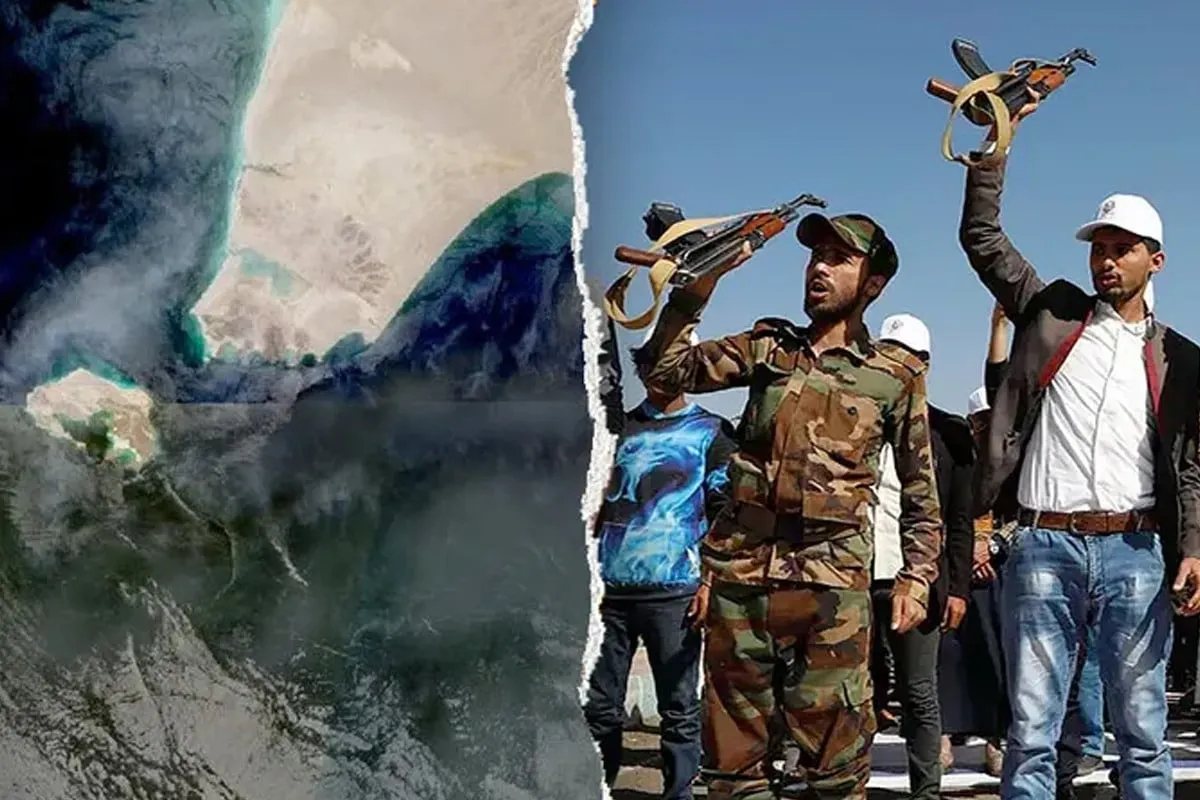
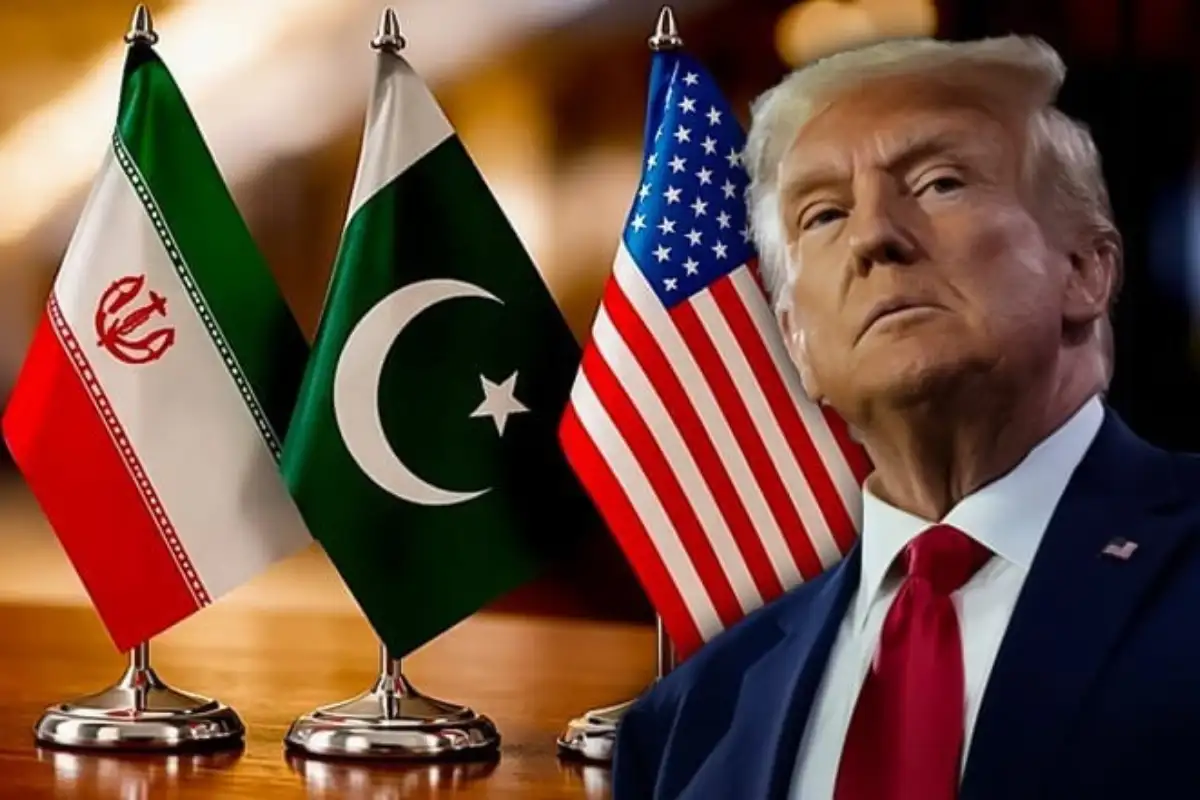
Iran had imposed its chokehold on the strait from the outset of the war, sending global oil prices spiraling upward and stoking fears of a prolonged inflationary shock. The United States had responded by blocking all maritime traffic to and from Iranian ports. The US, Iran, and mediating nation Pakistan confirmed the peace agreement would undergo a formal signing ceremony on Friday in Switzerland.
A senior US administration official, however, disclosed that Trump, Vice President JD Vance, and Iran’s parliamentary speaker Mohammad Bagher Ghalibaf had already affixed their electronic signatures to the document.
When questioned at the G7 summit in France about the timeline for public release of the agreement’s text, Trump responded:
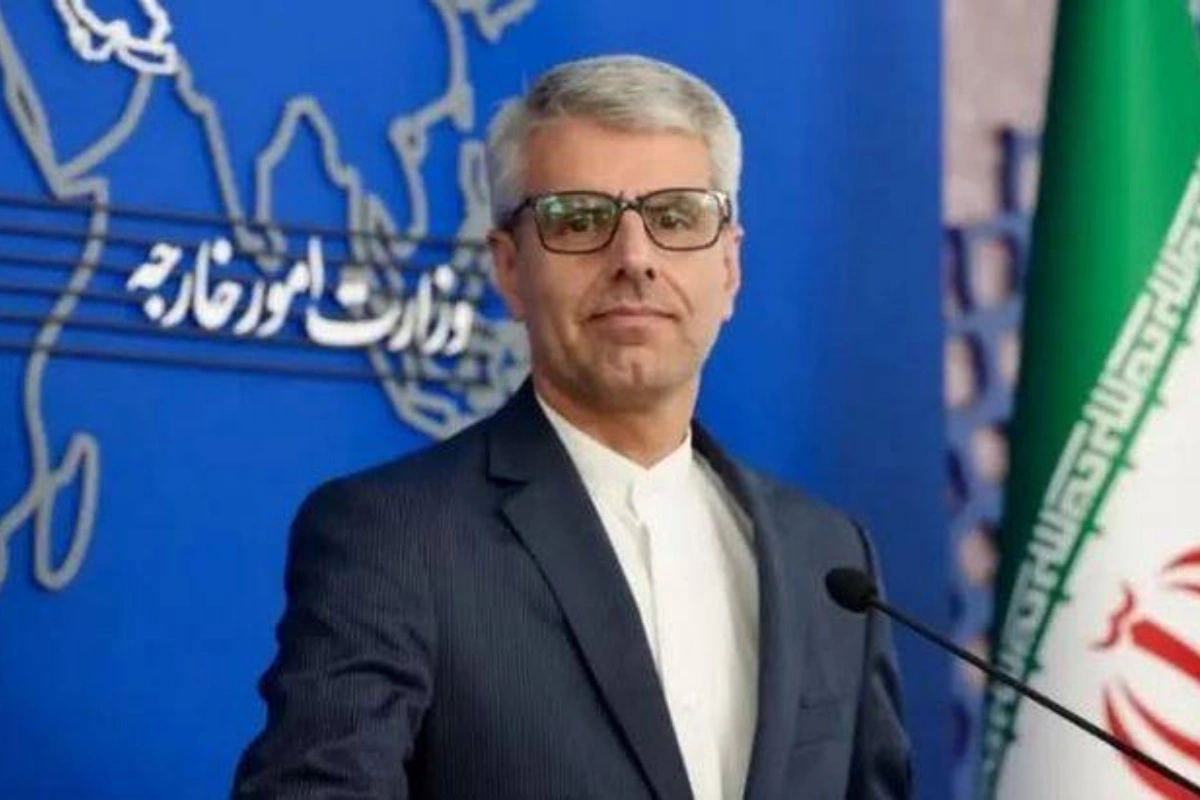
Iran’s Deputy Foreign Minister Kazem Gharibabadi stated that the deal brought an
to the war, with comprehensive talks on a
to be convened within the next two months. Iran’s military framed the accord as a strategic victory, claiming it had
the United States and Israel. President Masoud Pezeshkian described it as
for the broader region.
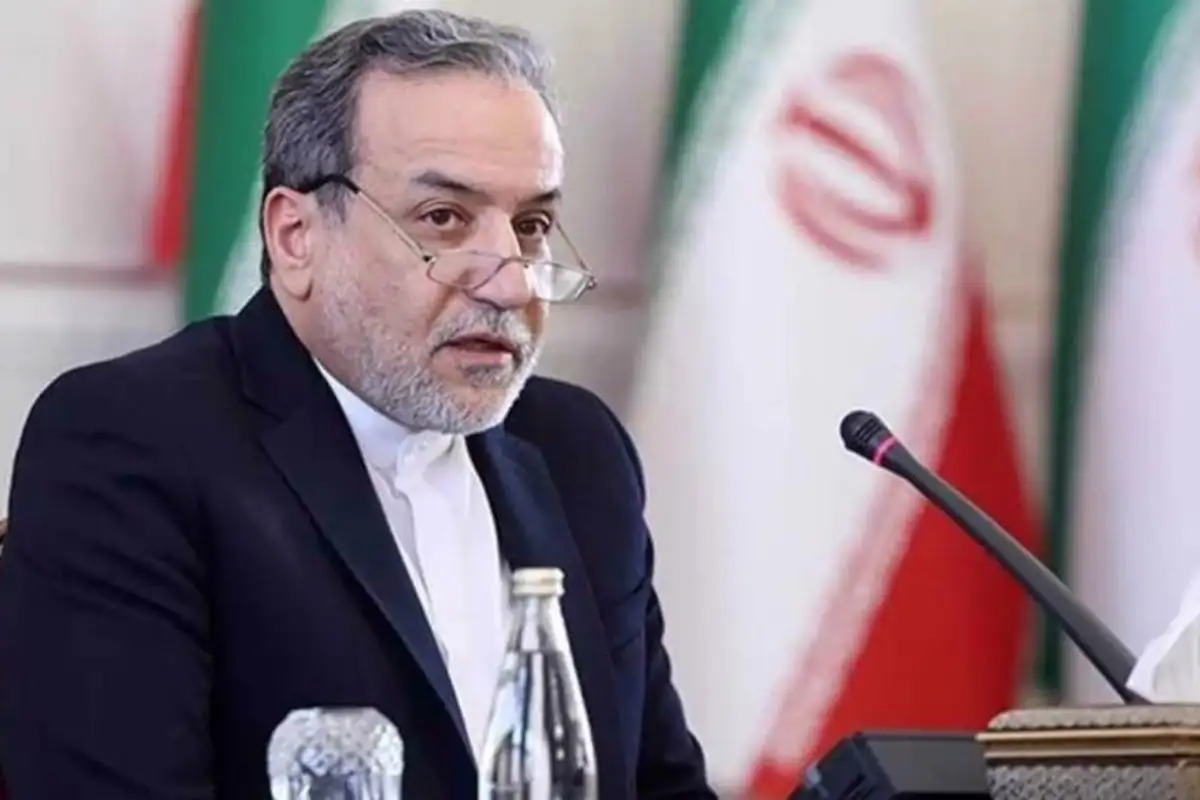
Iranian Foreign Minister Abbas Araghchi, however, sounded a note of caution, stating:
Iran’s foreign ministry spokesman Esmaeil Baqaei said Washington had
to releasing frozen Iranian funds held abroad and compensating Tehran for damages sustained during the war. Iran’s state-affiliated Mehr news agency reported that the United States would release $12 billion in frozen Iranian assets before formal negotiations commence. In a round of high-profile media appearances, Vance told Fox News that no US taxpayer money would be directed to Iran under the terms of the agreement.
Baqaei further indicated that Tehran intends to seek ratification from the United Nations Security Council once a final agreement on its nuclear program has been reached.
The persistent ambiguity surrounding the deal’s provisions has injected fresh uncertainty into global energy markets. Oil prices edged higher as traders grew anxious over the absence of publicly confirmed details and concerns that the resumption of fuel flows through the Strait of Hormuz could take longer than anticipated. Brent crude futures advanced 26 cents — or 0.3 percent — to settle at $83.42 per barrel, while US West Texas Intermediate rose 46 cents, also 0.3 percent, to reach $81.12 per barrel.
Catch all the World News, Breaking News Event and Trending News Updates on GTV News
Join Our Whatsapp Channel GTV Whatsapp Official Channel to get the Daily News Update & Follow us on Google News.
Must Read

Entertainment
Sass Jordan, Juno Award-Winning Singer and Canadian Idol Judge, Dies at 65
5-October،2026