
Iran Parliament Speaker Refuses International Inspection of Damaged Nuclear Facilities, Signals Strategic Hardline

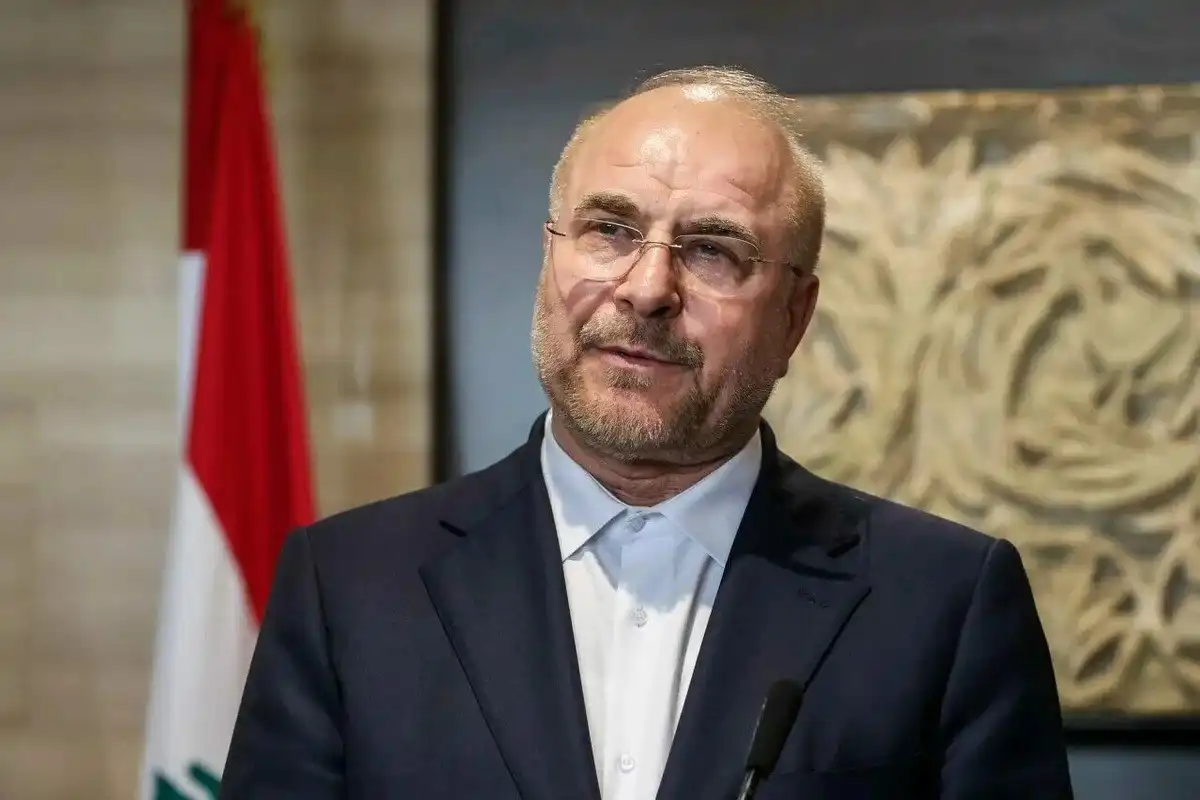
Qalibaf says Trump deleted Hormuz tweet after mediators’ request
Iranian Parliament Speaker Mohammad Baghir Qalibaf declared that Tehran will not permit international access to nuclear facilities damaged during the previous year’s military conflict, effectively foreclosing inspections of damage sites central to international nuclear monitoring.
The statement represents formal rejection of transparency mechanisms integral to the international nuclear framework, signaling Iranian hardening position following ceasefire implementation.
Qalibaf’s reference addressed facilities damaged during the twelve-day conflict when US military operations targeted Iranian nuclear infrastructure. Rather than allowing international inspection teams to assess damage and restoration efforts, Iran asserts exclusive authority over facility reconstruction and verification. This position contradicts established International Atomic Energy Agency (IAEA) protocols that typically require damage assessment in nuclear facilities to verify non-weapons development.
The significance extends beyond facility security. IAEA inspections serve dual purposes: confirming compliance with non-proliferation agreements and reassuring international community that damaged facilities undergo reconstruction consistent with civil nuclear purposes rather than weapons development. Iran’s refusal eliminates this verification mechanism, creating circumstantial conditions where international actors cannot verify whether nuclear restoration serves peaceful or military applications.
Qalibaf explicitly rejected the “language of pressure,” asserting that Iran responds only to force demonstration. This rhetorical position abandons diplomatic language frames where negotiation, compromise, and mutual agreement form interaction basis. By declaring pressure ineffective and force-based communication necessary, Qalibaf signals that traditional diplomatic mechanisms have exhausted utility from Iran’s perspective.
The statement arrives during ceasefire implementation where both parties maintain technical negotiations while military posturing continues. Qalibaf’s hardline rhetoric suggests Iranian leadership views the ceasefire as temporary pause rather than conflict resolution, preserving maximalist negotiating positions incompatible with comprehensive settlement. His emphasis on “understanding only force language” contradicts simultaneous engagement in Doha negotiations, suggesting Iran maintains parallel hardline and diplomatic tracks.
The nuclear facility access refusal creates international legal complications. The Comprehensive Joint Plan of Action (JCPOA), though partially suspended, includes inspection protocols requiring IAEA access to declared nuclear sites. By refusing inspections of damaged facilities, Iran technically violates remaining agreement obligations while maintaining that external pressure forfeits its negotiation authority. This circular logic—refusing inspections because of pressure while claiming pressure illegitimacy—creates diplomatic stalemate where both sides can claim other party violated commitments.
Qalibadi’s statement regarding China visit acquisition strategic significance. His emphasis that Iran seeks elevated “strategic partnership” with Beijing rather than transactional relations signals shift toward alignment with Beijing as counterweight to Western pressure. This repositioning follows months where ceasefire implementation revealed limited tangible benefits to Iran despite American negotiations, apparently convincing Iranian leadership that Western partnership offers insufficient protection compared to Asian strategic alternatives.
The China visit signals institutional acceptance that international nuclear frameworks prove unreliable from Iranian perspective. Rather than investing in JCPOA restoration or new negotiated agreements, Iran apparently concludes that great power alignment with China provides superior security guarantees than Western-negotiated nuclear deals. This strategic calculation reflects assessment that Western nations will ultimately abandon agreements under pressure.
The facilities damage itself carries tactical implications. If damage proves extensive—requiring years of reconstruction—Iran faces extended period operating at reduced nuclear capacity. Qalibaf’s refusal to permit inspections prevents international verification of reconstruction timeline and scope, allowing Iran to potentially overstate restoration progress while maintaining actual capacity below stated capability. This ambiguity increases regional uncertainty regarding Iranian nuclear development trajectory.
International response will likely emphasize non-proliferation concerns. US and European officials will interpret the inspection refusal as evidence of Iranian weapons development intentions, though Iranian perspective views inspections as intrusive verification targeting peaceful program. This hermeneutic gap—where each side interprets identical facts as confirming opposing conclusions—characterizes contemporary nuclear diplomacy in Middle East context.
The refusal ultimately represents institutional confidence that Iran possesses sufficient military capability that international isolation carries manageable costs. Qalibaf’s assertion that only force “language” proves effective reflects assessment that Iran has acquired sufficient defensive capability to resist pressure without negotiated concessions.
The strategic implication: Iran has apparently concluded that nuclear transparency mechanisms no longer serve national interest, abandoning pursuit of normalized nuclear status in favor of undeclared capability with great power backing.
Catch all the World News, Breaking News Event and Trending News Updates on GTV News
Join Our Whatsapp Channel GTV Whatsapp Official Channel to get the Daily News Update & Follow us on Google News.
Must Read