
Negotiations on final deal will not commence if threats continue; Abbas Araghchi

Iran's FM to Lebanese president: 'Save Lebanon from your real foe'
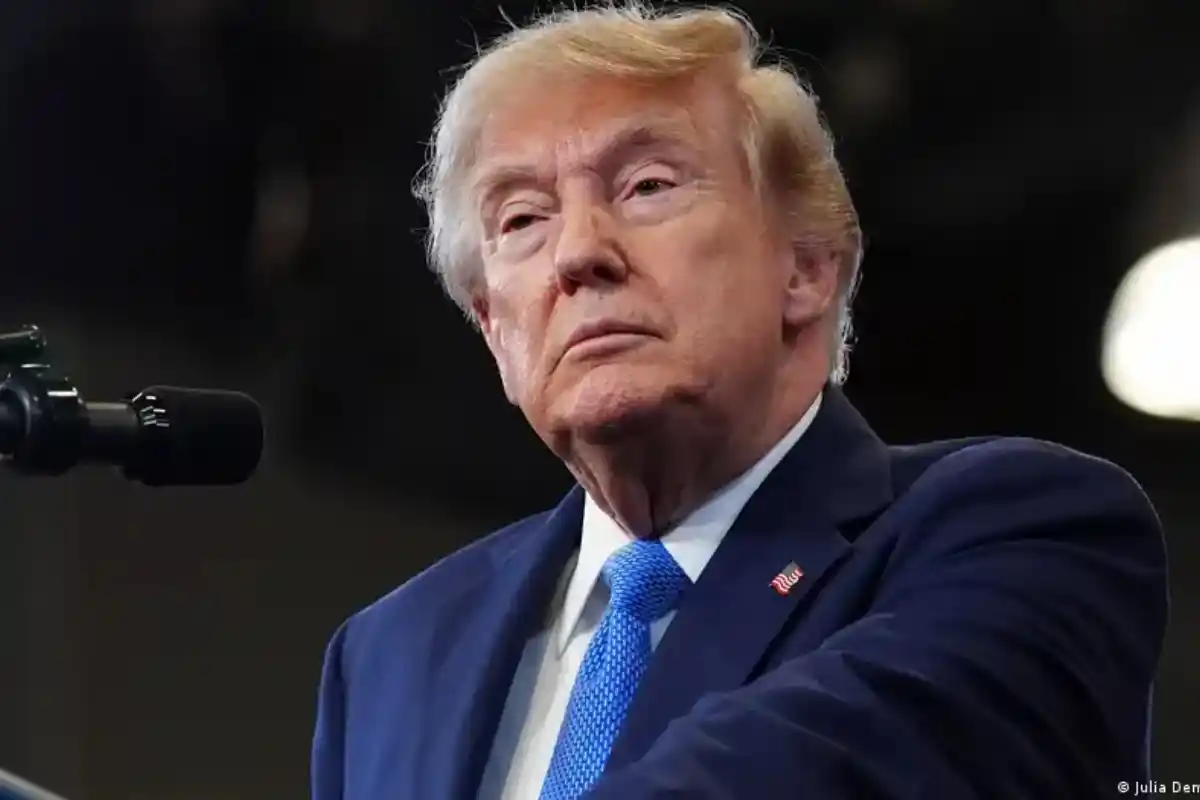
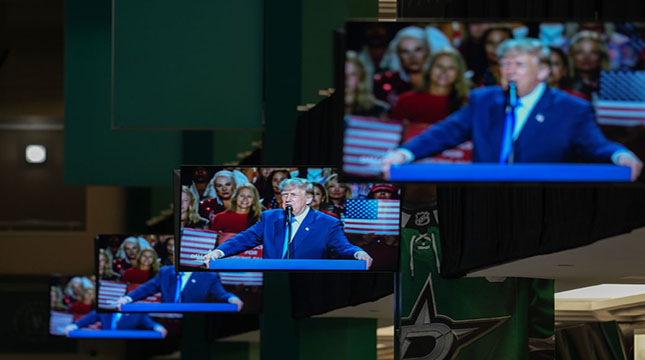
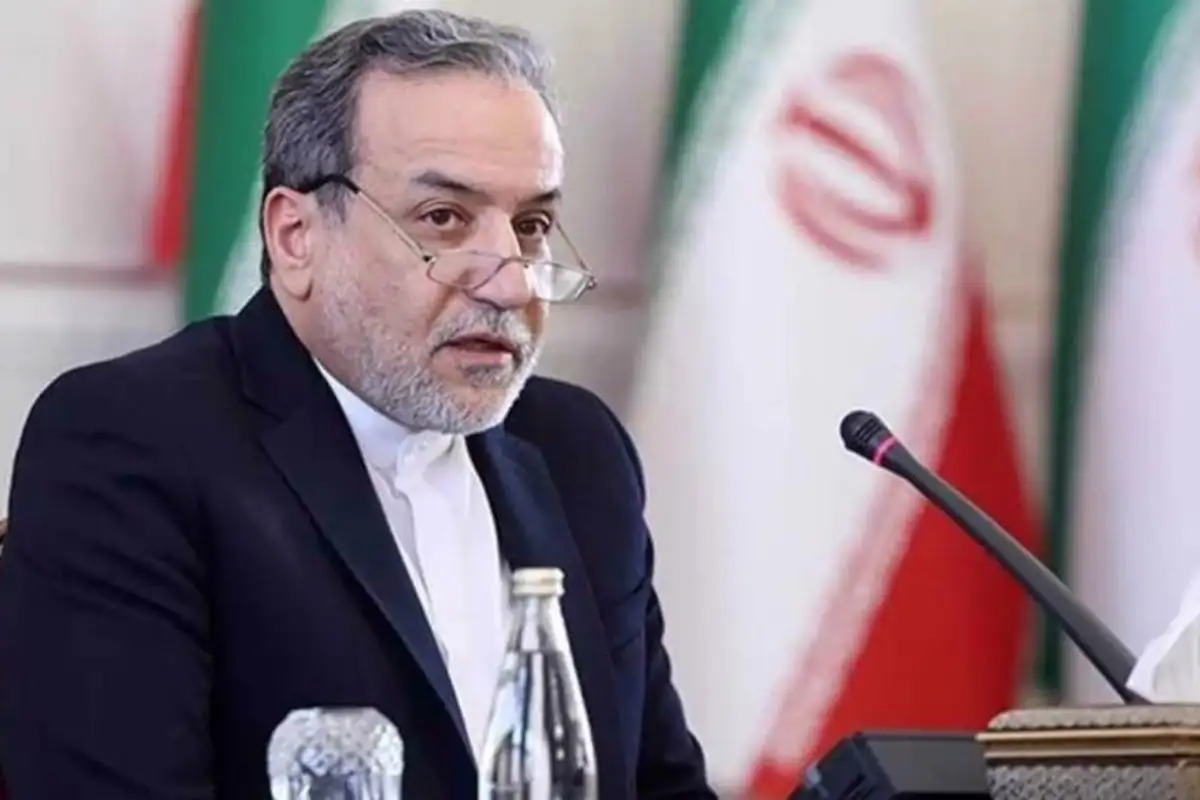
Iran’s Foreign Minister Abbas Araghchi declared that comprehensive nuclear negotiations cannot proceed while the United States maintains military threats, directly responding to President Donald Trump’s public statement threatening to “finish the job” if diplomatic settlement fails.
The declaration signals Iranian unwillingness to negotiate under coercive conditions, establishing prerequisite conditions for resuming substantive discussions.
Araghchi’s statement invoked the interim agreement signed last month between Tehran and Washington, which explicitly committed both parties to refrain from threats or force deployment.
Millions of proud Iranians rallied in unity to honor Grand Ayatollah Khamenei and his legacy. Neither them nor our Brave Armed Forces are moved by any threats.
Para 13 of the MoU is clear: Negotiations on final Deal will not commence if threats continue Honor your signature. pic.twitter.com/uQ7OoFyp8U
— Seyed Abbas Araghchi (@araghchi) July 7, 2026
The foreign minister’s reference to “honor your signature” implied that Trump’s public threats violate the foundational commitment underlying interim arrangements. By framing US threats as treaty violation, Araghchi positioned Iran as agreement-compliant party while characterizing American behavior as breach.
The confrontation reflects fundamental negotiation impasse regarding power dynamics and pressure application. Trump’s threat attempted to establish coercive framework where Iranian concessions emerge from fear rather than negotiated compromise. Araghchi’s response rejected this dynamic, asserting that genuine negotiations require mutual respect and threat cessation rather than continued military coercion.
The Trump threat—”finish the job”—carried implicit reference to potential military action against Iranian nuclear facilities or leadership structures. Such language, while ambiguous, signals continued American willingness to employ force if diplomacy fails. From Iranian perspective, negotiating under such threats transforms diplomacy into surrender mechanism rather than good-faith problem-solving.
The timing proves strategically significant. Previous negotiations occurred during ceasefire period when both parties maintained operational military restraint. Trump’s public threats occurred after extended negotiation period, suggesting either frustration with progress or deliberate pressure tactics designed to extract maximum Iranian concessions. Either interpretation undermines Iranian confidence in negotiating partnership.
The interim agreement’s explicit no-threats provision created mutual obligation. If American leadership violates this provision through public threat statements, Iran gains legitimate justification for withdrawing from negotiation framework. Araghchi’s statement establishes official record of Iranian grievance regarding American violation, positioning future actions within legal and diplomatic framework.
International observers note that Trump’s threat strategy differs substantially from traditional diplomatic approaches. Rather than maintaining confidential pressure while preserving public negotiating facade, Trump broadcasts ultimatums publicly, creating domestic political constraints on Iranian leadership responding to perceived weakness.
The practical consequence: comprehensive negotiations on final nuclear arrangement remain suspended pending American commitment to threat cessation. This creates indefinite stalemate unless either party abandons their negotiating position. Iran demands threat removal; Trump’s approach emphasizes threat maintenance as leverage mechanism.
The interim agreement’s existence complicates the situation further. Both parties acknowledged need for nuclear arrangement yet created framework prohibiting the threat mechanism Trump employs. This contradiction suggests that interim agreement inadequately addressed fundamental disagreement regarding negotiation conditions and pressure application.
Whether negotiations resume depends on whether Trump administration modifies threat rhetoric or whether Iran demonstrates capacity to absorb threats while maintaining negotiation participation. Previous administrations typically conducted such negotiations through private channels while maintaining public diplomatic courtesies. Trump’s public threat approach represents departure from established diplomatic norms.
Catch all the World News, Breaking News Event and Trending News Updates on GTV News
Join Our Whatsapp Channel GTV Whatsapp Official Channel to get the Daily News Update & Follow us on Google News.
Must Read
Pakistan
Sindh Government Allocates Rs5 Billion to Activate Karachi’s TP-1 Sewage Treatment Plant
3-October،2026