
IRGC Strikes Four US Military Bases in Kuwait, Bahrain as Initial Response Phase

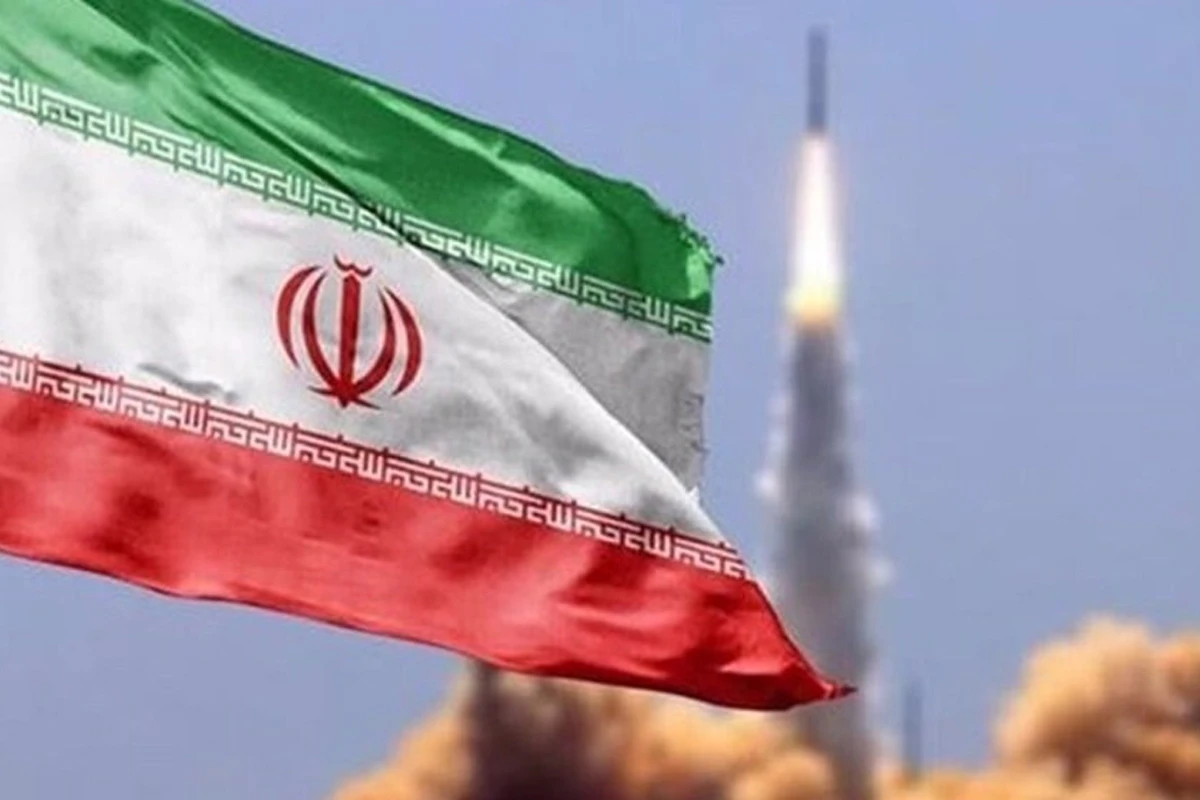
Iran’s Islamic Revolutionary Guards Corps executed precision strikes against four American military installations across Kuwait and Bahrain Thursday, signaling initial response phase to latest US treaty violations and establishing escalation pathway warning of substantially expanded retaliation if American aggression persists.
The IRGC characterized the operation as measured response to documented American violations while reserving capacity for systematic expansion targeting additional US bases throughout the region.
The IRGC Aerospace Force deployed missiles and drones against Arifjan and Ali Al Salem bases in Kuwait and Juffair and Sheikh Isa facilities in Bahrain. The targeting selection demonstrated sophistication regarding American military infrastructure positioning, with each facility representing strategically significant installation housing personnel and equipment essential to American regional operations. The precision strike pattern—four geographically distributed targets across two nations—demonstrated Iranian capacity for coordinated multi-national military operations.
The IRGC’s explicit warning that “should the United States repeat its acts of aggression, our crushing responses will be expanded to include other American bases throughout the region” establishes critical strategic messaging. The statement characterizes the current operation as “initial response phase”—implying that escalated American aggression will trigger correspondingly expanded Iranian retaliation. This messaging framework establishes that Iranian response intensity remains calibrated to American provocation level.
The IRGC’s characterization of US strikes as “hasty reaction” to Khamenei’s funeral processions in Iraq reveals Iranian strategic assessment regarding American motivation. Rather than viewing American military action as independent strategic initiative, the IRGC interprets it as emotional response to demonstration of popular support for Iranian revolutionary leadership. The massive funeral participation—millions mourning Khamenei across Iranian and Iraqi cities—apparently triggered American desperation to disrupt momentum.
The IRGC statement emphasizes that American strikes targeted civilian infrastructure rather than military facilities. The strikes killed one civilian and damaged a bridge in northern Golestan Province—actions demonstrating American willingness to target civilian economic infrastructure. This distinction matters strategically: American attacks on civilian targets justify broader Iranian retaliation extending beyond military installations to encompass infrastructure supporting American regional operations.
The IRGC’s interpretation that American aggression attempts “to overshadow news of this unparalleled epic and conceal this inspiring event from the eyes of the world” reflects Iranian assessment that American planners recognized the funeral’s public relations victory. The massive turnout demonstrated authentic popular support for revolutionary leadership despite American expectations of regime vulnerability during succession transition. American military strikes represented effort to disrupt international media attention from funeral coverage.
The Corps’ assertion that American actions will “only awaken the peoples of the world further” reflects Iranian confidence regarding international opinion trends. Rather than American aggression deterring anti-American sentiment, the IRGC expects continued aggression will strengthen global opposition to American interventionism. This assessment reflects broader Iranian strategic calculation that American military pressure generates counterproductive consequences amplifying anti-American sentiment.
The reference to the United States as “Great Satan” positions current conflict within broader Iranian ideological framework. The terminology connects contemporary military operations to decades of revolutionary rhetoric characterizing American imperialism as fundamentally opposed to Iranian sovereignty. By utilizing ideological language, the IRGC reinforces that the conflict transcends tactical military disputes into civilizational struggle.
The warning of “expanded” retaliation if aggression continues establishes critical deterrent threshold. The IRGC implies that current strike represents constrained response; additional American aggression will trigger proportionally larger operations. By framing the current operation as “initial response phase,” the IRGC signals that escalation capacity remains available and will be deployed if American violations continue.
The operational precision—targeting four specific installations with missiles and drones—demonstrates technical sophistication exceeding American expectations. The IRGC’s demonstrated capability to strike distant American bases with accuracy reinforces that American military presence throughout the region has become vulnerable to Iranian response. This capability realization transforms American military positioning from secure advantage into potential liability.
Catch all the World News, Breaking News Event and Trending News Updates on GTV News
Join Our Whatsapp Channel GTV Whatsapp Official Channel to get the Daily News Update & Follow us on Google News.
Must Read