
Modi Faces Diplomatic Setback During Indonesia, New Zealand and Australia Visits, Reports Claim

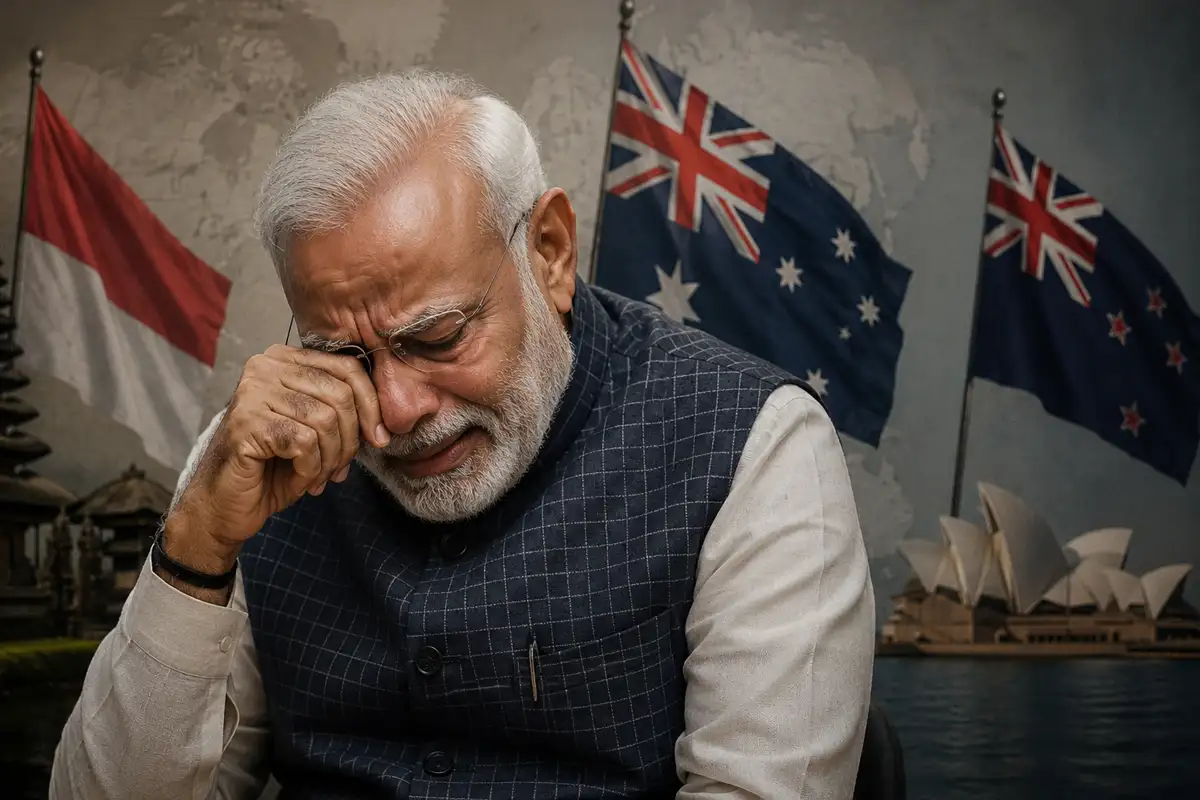
Indian Prime Minister Narendra Modi’s recent visits to Indonesia, New Zealand and Australia have drawn criticism from opposition voices and political analysts, who claim the tour failed to generate the diplomatic impact projected by Indian media.
According to reports cited by critics, while Indian media highlighted the visit as a major diplomatic achievement, coverage in host countries remained limited, with regional media focusing on other issues rather than presenting the tour as a significant diplomatic milestone.
Reports claimed that Indonesian media coverage of Modi’s visit was largely centered on images of his public appearances, clothing, vehicles and religious symbolism rather than broader diplomatic achievements. Some outlets, including Indonesian publications, highlighted viral footage from the visit rather than major policy announcements.
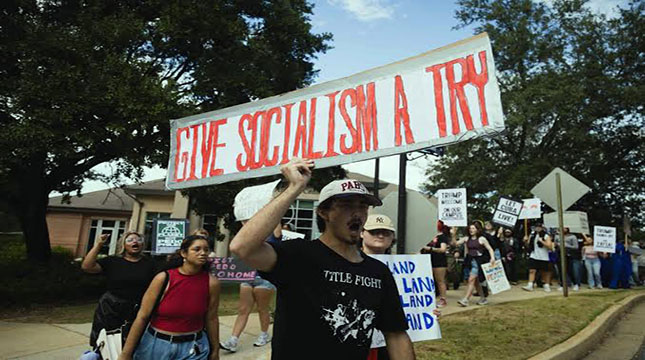
During Modi’s Australia visit, discussions surrounding human rights issues and criticism of India’s domestic policies reportedly received significant attention. Australian and international media outlets covered protests by human rights groups, Muslim and Sikh communities, who raised concerns over alleged discrimination and restrictions on civil liberties.
According to reports, demonstrations were held in Melbourne, including protests outside Marvel Stadium, where groups critical of Modi’s government voiced opposition to policies they described as harmful to minorities and democratic freedoms.
Human rights organizations have also urged governments, including Australia, to raise concerns regarding alleged rights violations in India during diplomatic engagements with New Delhi.
Critics further claimed that protests involving Sikh activists and other groups highlighted international concerns over issues related to freedom of expression, minority rights and political dissent in India.
Trade and Political Challenges in New Zealand
Modi’s visit to New Zealand also faced political debate, particularly regarding discussions surrounding a proposed India-New Zealand free trade agreement.
Reports suggested that some political groups in New Zealand raised concerns over the potential agreement, while Foreign Minister Winston Peters emphasized that any deal must prioritize New Zealand’s national interests.
Critics also pointed to the absence of some expected diplomatic engagements during the visit, arguing that it reflected challenges facing India’s outreach efforts in the Asia-Pacific region.
Questions Over India’s Global Influence Narrative
Political analysts critical of the Modi government argued that the Asia-Pacific tour raised questions over New Delhi’s claims of expanding global influence.
They said the difference between domestic media coverage and international reporting highlighted what they described as a gap between political messaging and global perception.
According to these analysts, Modi’s foreign policy approach has increasingly relied on public relations campaigns and symbolic displays, while international media coverage has focused more on controversies, human rights debates and domestic political issues.
Supporters of the Indian government, however, have continued to describe Modi’s international engagements as part of efforts to strengthen India’s strategic partnerships and economic relations.
The debate surrounding the visits reflects the broader contest over how India’s growing global role is perceived, with supporters highlighting diplomatic outreach while critics continue to question its international image and human rights record.
Catch all the World News, Breaking News Event and Trending News Updates on GTV News
Join Our Whatsapp Channel GTV Whatsapp Official Channel to get the Daily News Update & Follow us on Google News.
Must Read
Pakistan
Sindh Government Allocates Rs5 Billion to Activate Karachi’s TP-1 Sewage Treatment Plant
3-October،2026