Trump Administration Maintains Nuclear Deal Hopes Despite Escalating Military Operations

Despite intensive military exchanges between US and Iranian forces, the Trump administration reportedly refrained from direct strikes Thursday and continues pursuing diplomatic nuclear agreement with Iran, according to American officials cited by news agency Expose.
Iran’s maintained engagement in diplomatic channels reflects Tehran’s willingness to negotiate despite concurrent military operations threatening to escalate beyond control.
US officials characterized Thursday’s strike avoidance as deliberate decision to prevent further escalation. Rather than responding to Iranian operations with immediate American strikes, the administration chose to preserve diplomatic channels with Iran—a calculation suggesting that ongoing negotiations retain priority despite military pressure.
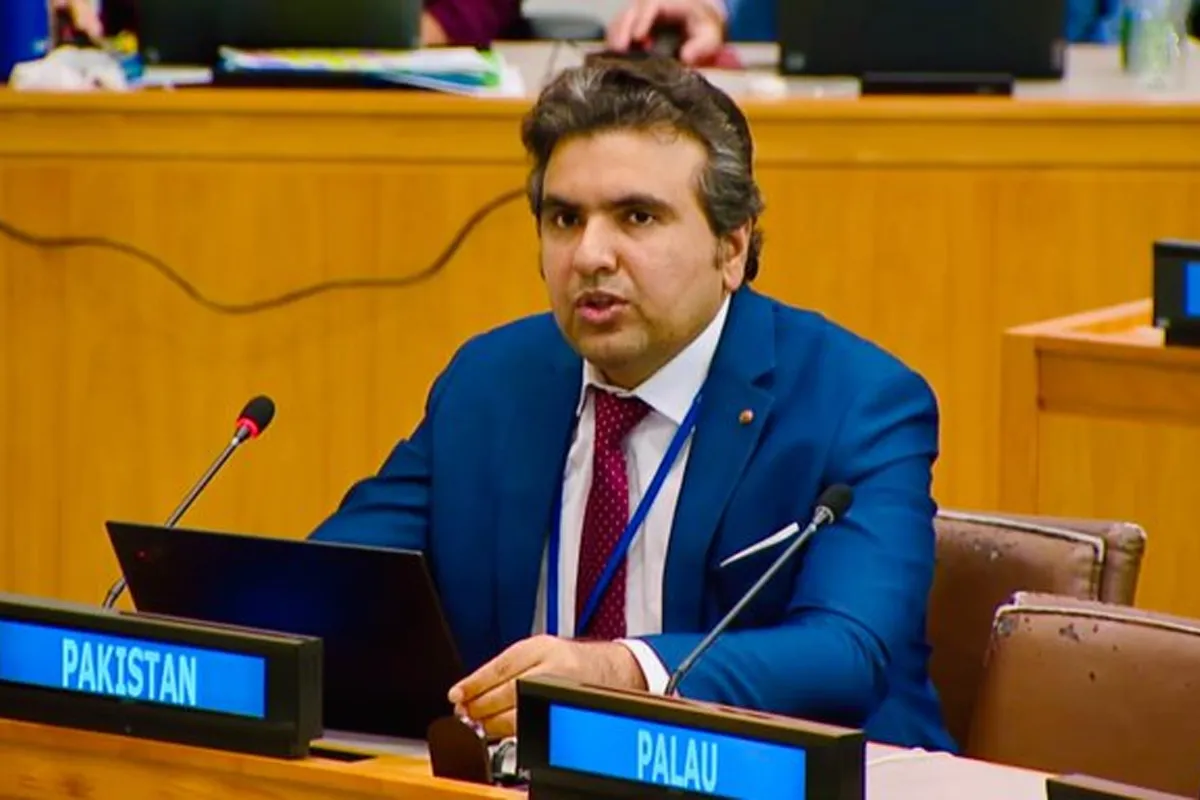
Regional mediators—Qatar, Pakistan, and other Gulf actors—conducted multiple contacts Wednesday between high-level US and Iranian officials, attempting to return both parties to negotiating framework. The diplomatic intensity reflects recognition that escalation trajectory threatens to overwhelm negotiation capacity entirely. Iran’s participation in these mediation contacts signals Tehran’s continued investment in diplomatic resolution despite military operations.
A regional diplomatic source confirmed widespread diplomatic efforts designed to achieve sequential objectives: first, persuading Iran and the US to halt military operations; second, establishing timeframe for renewed technical team negotiations. This phased approach acknowledges that immediate resumption of substantive nuclear talks with Iran proves unrealistic amid active military operations.
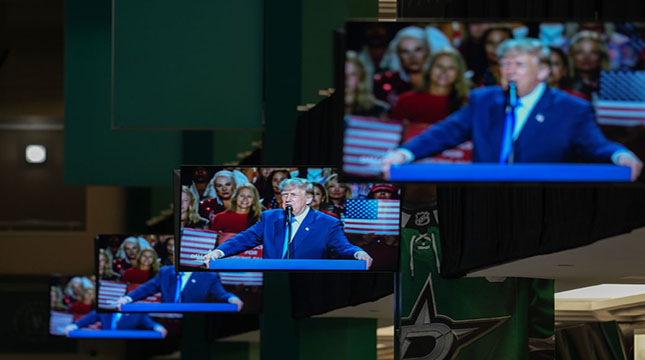
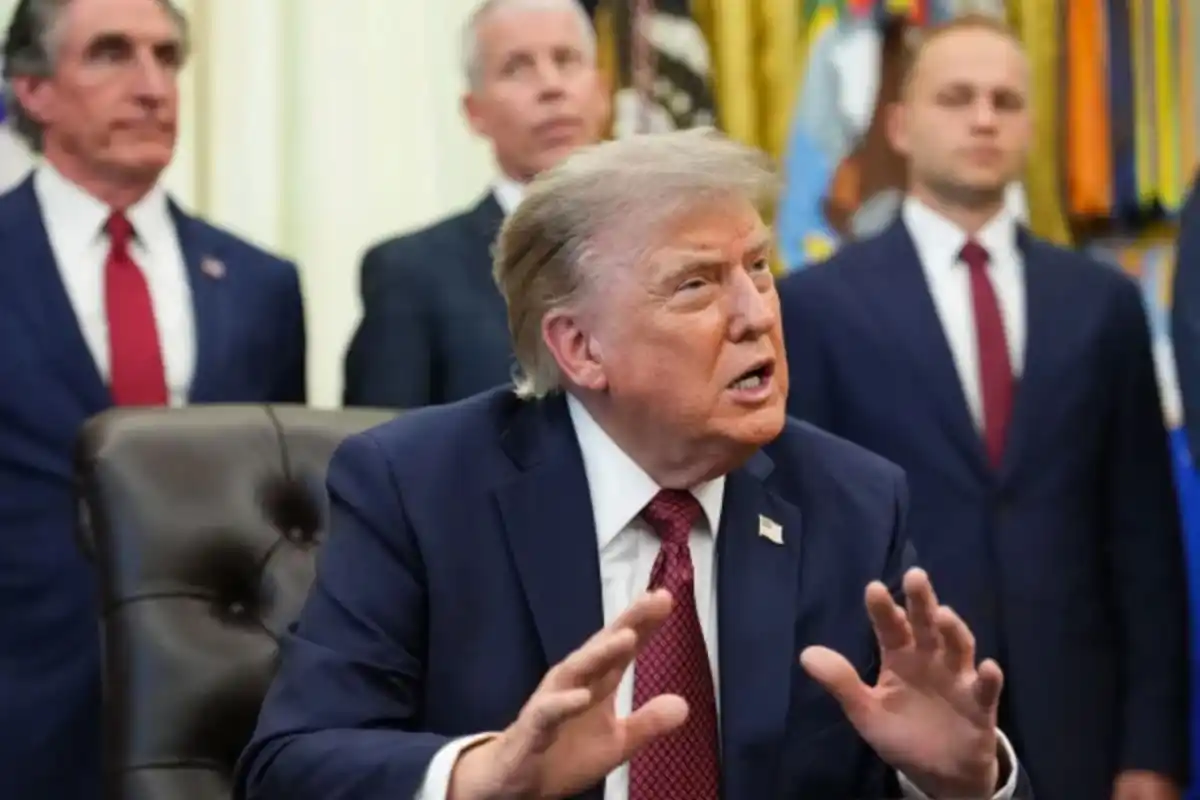
White House reporting indicates American officials remain committed to pursuing diplomatic pathways with Iran rather than military force deployment. This positioning contradicts Trump’s public threats regarding Iranian infrastructure, suggesting that private diplomatic posture differs from public rhetoric. The gap between threatened military action and actual strike restraint reveals that diplomatic calculations with Iran constrain military operations.
The technical team negotiation framework indicates that diplomatic structures between US and Iran remain operative despite military escalation. The maintenance of technical channels—separate from high-level political negotiations—permits specialized expertise to continue discussions regarding Iran’s nuclear program parameters, verification mechanisms, and sanctions relief arrangements.
Iran’s willingness to engage in Wednesday’s diplomatic contacts demonstrates Tehran’s parallel commitment to negotiated resolution. Rather than pursuing exclusively military response, Iran maintained diplomatic channels even while conducting military operations—a pattern suggesting that Iranian leadership, like American counterparts, recognizes military escalation risks.
Qatar’s mediation role reflects Doha’s investment in US-Iran dialogue and regional stability. As neutral party with relationships across competing interests, Qatar possesses credibility necessary for credible mediation between Washington and Tehran. Pakistan’s involvement similarly reflects Islamabad’s established role as intermediary between Tehran and Washington, positioning Pakistani diplomats as trusted channels for sensitive negotiations with Iran.
The diplomatic urgency evident in Wednesday’s multiple contacts suggests that mediators assessed the escalation risk as genuinely threatening to US-Iran negotiation viability. The compressed timeline for contacts and emphasis on achieving operational pause indicates that mediators recognized military momentum could overwhelm diplomatic process if left unchecked.
The American restraint from direct Thursday strikes represents critical decision point affecting US-Iran dynamics. Had the US responded proportionally to Iranian operations, escalatory cycle would accelerate beyond diplomatic repair with Iran. By accepting Iranian strikes without immediate response, American leadership prioritized negotiation preservation with Tehran over demonstrating military responsiveness—strategic choice with significant implications.
The technical team emphasis suggests that US-Iran negotiators have identified specific nuclear program parameters requiring specialist-level discussion. Rather than negotiating comprehensively at political level, technical experts can address narrower issues: Iran’s enrichment levels, inspection protocols, centrifuge deployment, and sanctions calibration. This specialization accelerates problem-solving compared to broad political discussions between Washington and Tehran.
The disclosed diplomatic effort contradicts public impression of complete US-Iran conflict breakdown. While military operations dominate headlines, parallel diplomatic channels between the US and Iran maintain communication and negotiation frameworks. This dual-track approach—military operations alongside diplomatic engagement—characterizes the current US-Iran phase despite appearances suggesting imminent all-out conflict.
Catch all the World News, Breaking News Event and Trending News Updates on GTV News
Join Our Whatsapp Channel GTV Whatsapp Official Channel to get the Daily News Update & Follow us on Google News.
Must Read