
Afghan Taliban Regime Faces Global Outcry Over Worsening Human Rights Violations

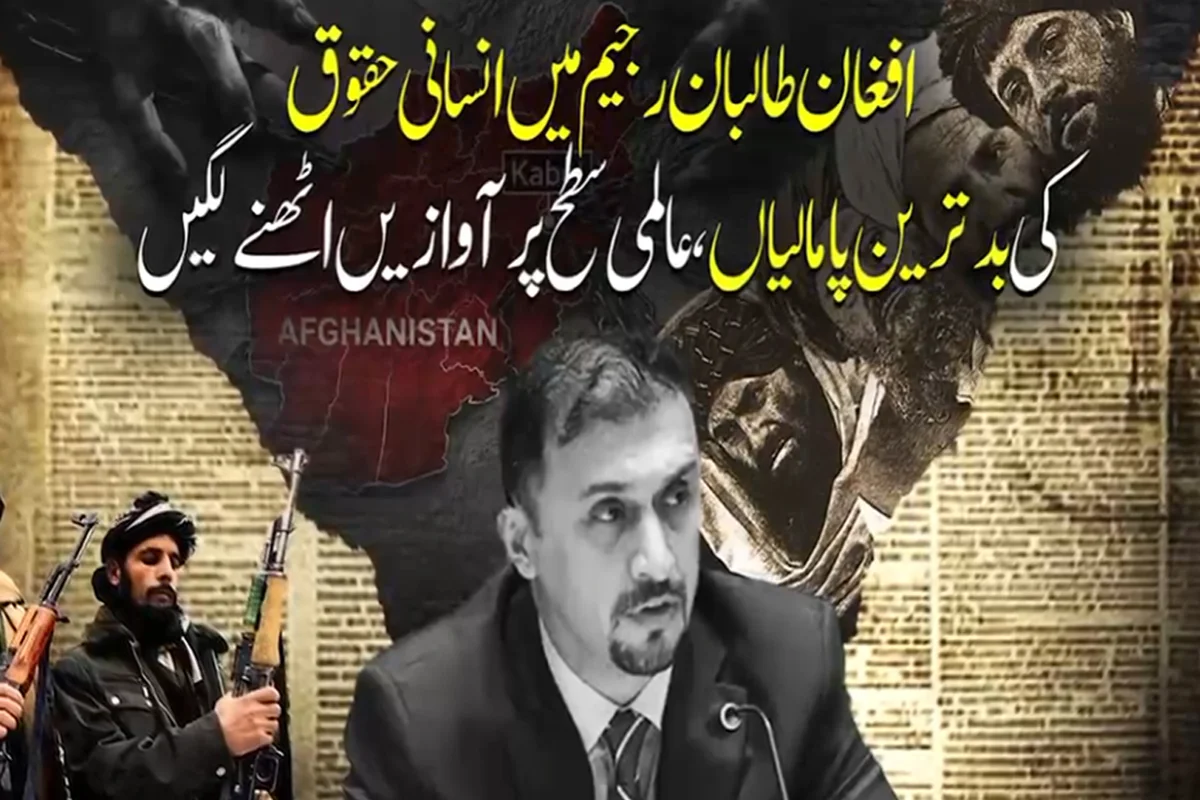
Naseer Ahmad Faiq, head of Afghanistan’s mission to the United Nations, has accused the Taliban of policies that violate basic principles of justice, according to reporting by Afghan outlet Hasht-e Subh.
In a statement posted on X, Faiq said women detained by the Taliban under the guise of enforcing veiling requirements have faced physical abuse while in custody.
Reports cited by Hasht-e Subh describe patterns of women’s arrests, gender-based violence, and forced marriages that have raised serious questions about Taliban conduct — allegations that extend beyond the policy-level restrictions on education and employment already well documented in Afghanistan since 2021 into claims of direct physical mistreatment during detention.
UN Special Rapporteur Richard Bennett, who has served as the UN’s designated human rights monitor for Afghanistan, said the Taliban continue inhumane practices including persecution based on gender. Bennett’s role gives his assessment particular institutional weight, since his mandate involves direct monitoring and reporting on the human rights situation inside Afghanistan for the UN Human Rights Council.
Faiq went further in his statement, arguing that Taliban leadership is aware of these actions by its personnel and that they occur with its approval — a claim that, if accurate, would characterize the alleged abuse as systemic and sanctioned from the top rather than isolated misconduct by individual officials or local commanders.
These allegations add to a mounting pattern of international scrutiny facing the Taliban across multiple fronts simultaneously: a legal case being prepared for the International Court of Justice over women’s rights violations, UNESCO findings on collapsing higher education access for both women and increasingly young men, and separate UN counter-terrorism concerns about militant safe havens inside Afghan territory. Taken together, these threads suggest the Taliban’s international position continues facing compounding pressure across human rights, education, and security domains.
Faiq characterized the reported violations as clear evidence that the Afghan people are currently suffering severe repression and abuse — language reflecting his position representing Afghanistan’s UN mission, which has continued operating separately from the Taliban government since Kabul’s UN seat remains contested and unrecognized by the world body.
Whether these specific allegations of physical abuse in detention translate into concrete action — through the ICJ case, targeted sanctions, or coordinated diplomatic pressure — will likely depend on whether international bodies can corroborate the claims through independent channels, given the significant restrictions on outside monitoring access inside Taliban-controlled Afghanistan.
Catch all the World News, Breaking News Event and Trending News Updates on GTV News
Join Our Whatsapp Channel GTV Whatsapp Official Channel to get the Daily News Update & Follow us on Google News.
Must Read
Pakistan
Bilawal Bhutto Pays Tribute to Karsaz Martyrs, Calls for Unity Against Terrorism
18-October،2026