Delhi’s Jantar Mantar Turns into Modi’s Cremation

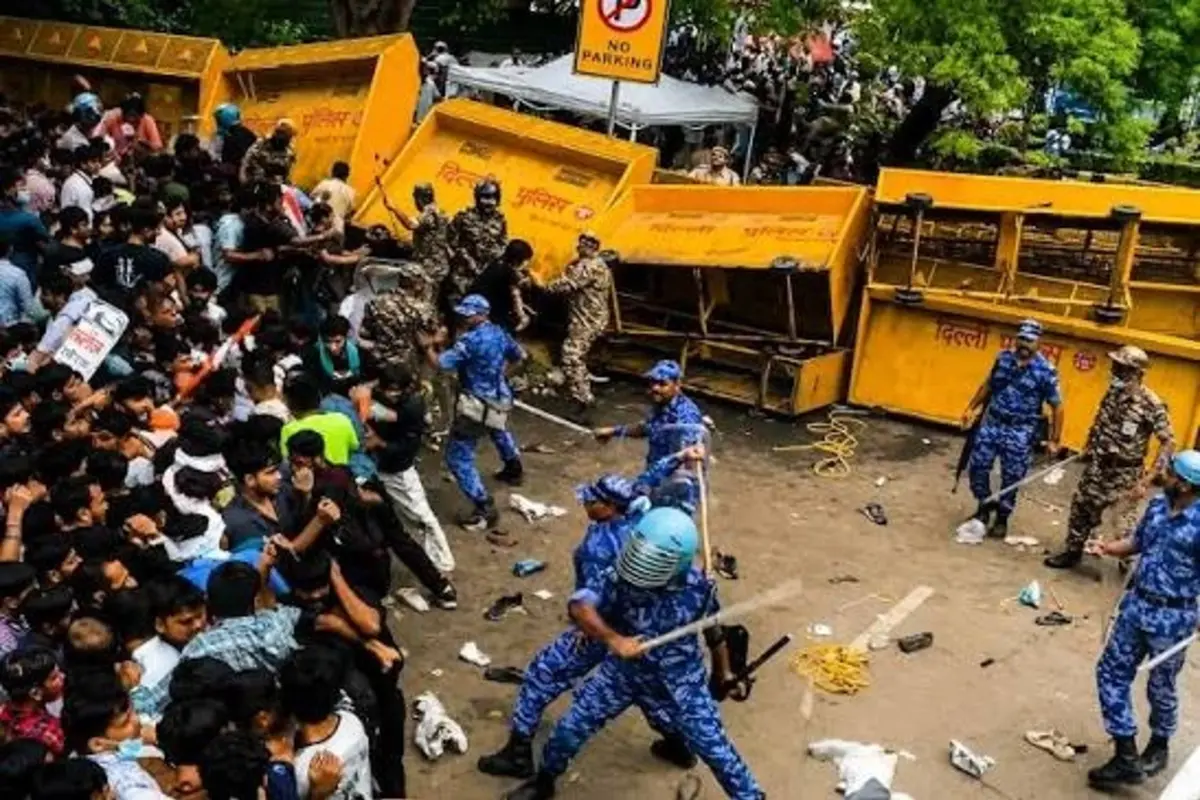
Thousands of student protesters continued their sit-in at Delhi’s Jantar Mantar despite overnight rain, keeping pressure on the Indian extremist government over demands for education reforms and the resignation of Education Minister Dharmendra Pradhan. The demonstrations, led by the youth-driven Cockroach Janta Party (CJP) movement, gained momentum after crackdown from police on peaceful young protestors during a march toward Parliament.
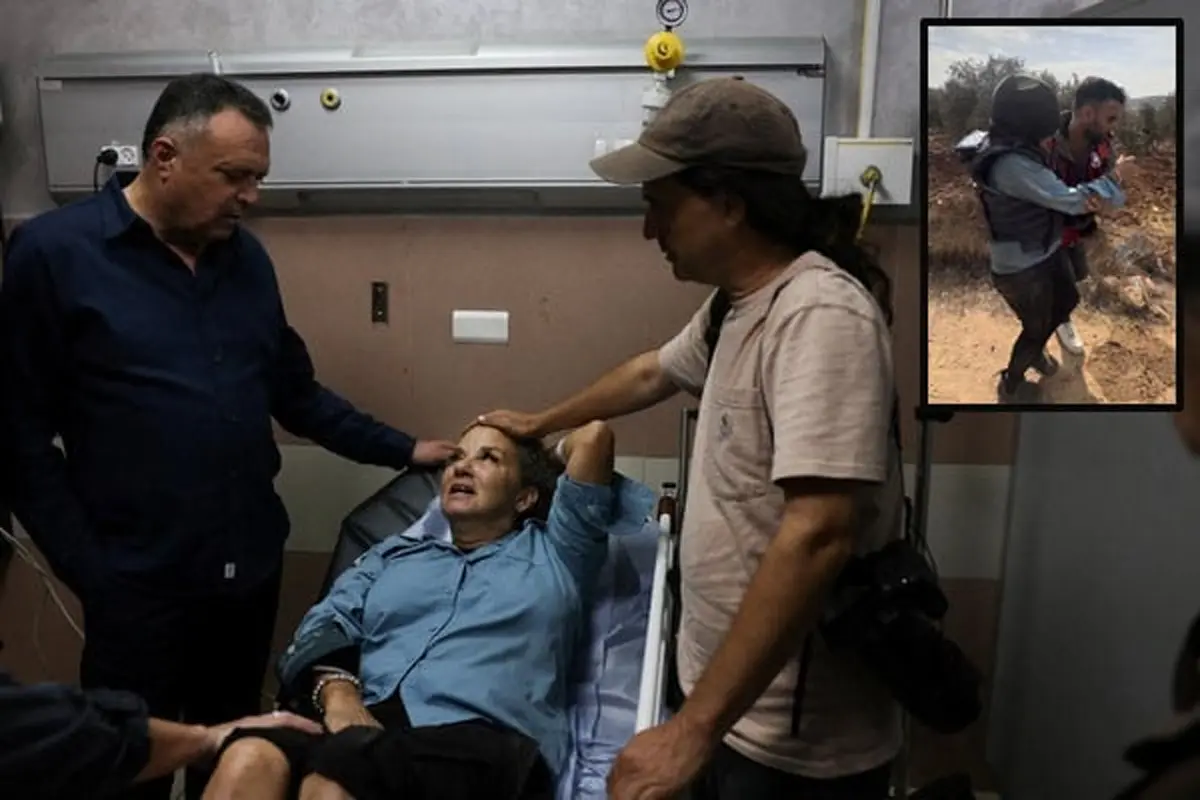
The protests intensified after police used batons and tear gas to disperse demonstrators attempting to march as Parliament’s monsoon session began. According to reports, dozens of protesters and citizens personnel were injured dozens of protestors were taken to local hospitals including a pregnant women who is still in Intense care, the humanitarian institutions call it a open brutality and attack on civil rights. Authorities also dismantled the protest stage and temporary tents at Jantar Mantar, but demonstrators refused to leave and continued their round-the-clock sit-in.
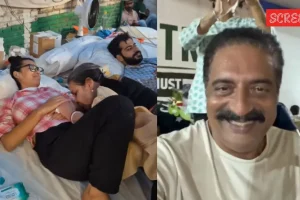
The opposition parties escalated pressure on the government by staging a protest outside Prime Minister Narendra Modi’s residence. Demanding the resignations of Education Minister Dharmendra Pradhan, Home Minister Amit Shah, and Prime Minister Modi. Student protestors present on the protest accused the government of denying civil rights to protest peacefully and from debating the student rights as well.
The CJP, despite its satirical name, has evolved into a nationwide youth movement focused on education reforms, transparency in examinations, and greater accountability. The movement was founded by political communications strategist Abhijeet Dipke, who said it began as an online initiative before attracting tens of thousands of supporters. Demonstrations have since spread beyond Delhi to cities including Mumbai, Bengaluru, and Goa.
Public anger has been fueled by a series of examination controversies, including the reported leak of India’s medical entrance examination paper, which forced more than two million candidates to retake the test, as well as disputes surrounding the online evaluation of high school examinations. Protesters argue that repeated irregularities have undermined confidence in the country’s education system and demand comprehensive reforms.
The movement has also drawn attention because of engineer and activist Sonam Wangchuk, who began a hunger strike in support of the protesters. Wangchuk was taken to hospital after authorities intervened during his fast, a move that further intensified criticism of the government’s handling of the demonstrations and strengthened public support for the protest campaign.
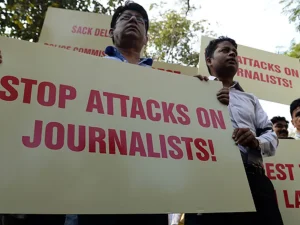
Several prominent public figures have voiced concern over the use of force against students at Jantar Mantar. Veteran actor Naseeruddin Shah criticized the police action and called for respect for the democratic right to peaceful protest. Singer Arijit Singh was among public figures who expressed solidarity with students and urged authorities to engage in dialogue rather than confrontation. Other writers, artists, academics, and civil society voices also appealed for restraint and a peaceful resolution to the crisis, the journalist associations also joined the protest after they were tortured and arrest for covering the protest neutrally and showing reality of BJP extremism.
As protests continue in Delhi and other major cities, the movement has become one of India’s largest youth mobilizations in recent years. With opposition parties, public figures, and civil society groups increasingly backing the demonstrators, the government’s response to demands for education reforms and accountability is expected to remain under close national scrutiny in the coming days.
Catch all the World News, Breaking News Event and Trending News Updates on GTV News
Join Our Whatsapp Channel GTV Whatsapp Official Channel to get the Daily News Update & Follow us on Google News.
Must Read
Pakistan
PMA Kakul Holds Passing-Out Parade, General Aamer Raza Urges Cadets to Face Challenges
17-October،2026
Pakistan
Security Forces Kill Two Terrorists in Balochistan Under Operation Radd-ul-Fitna 3
17-October،2026