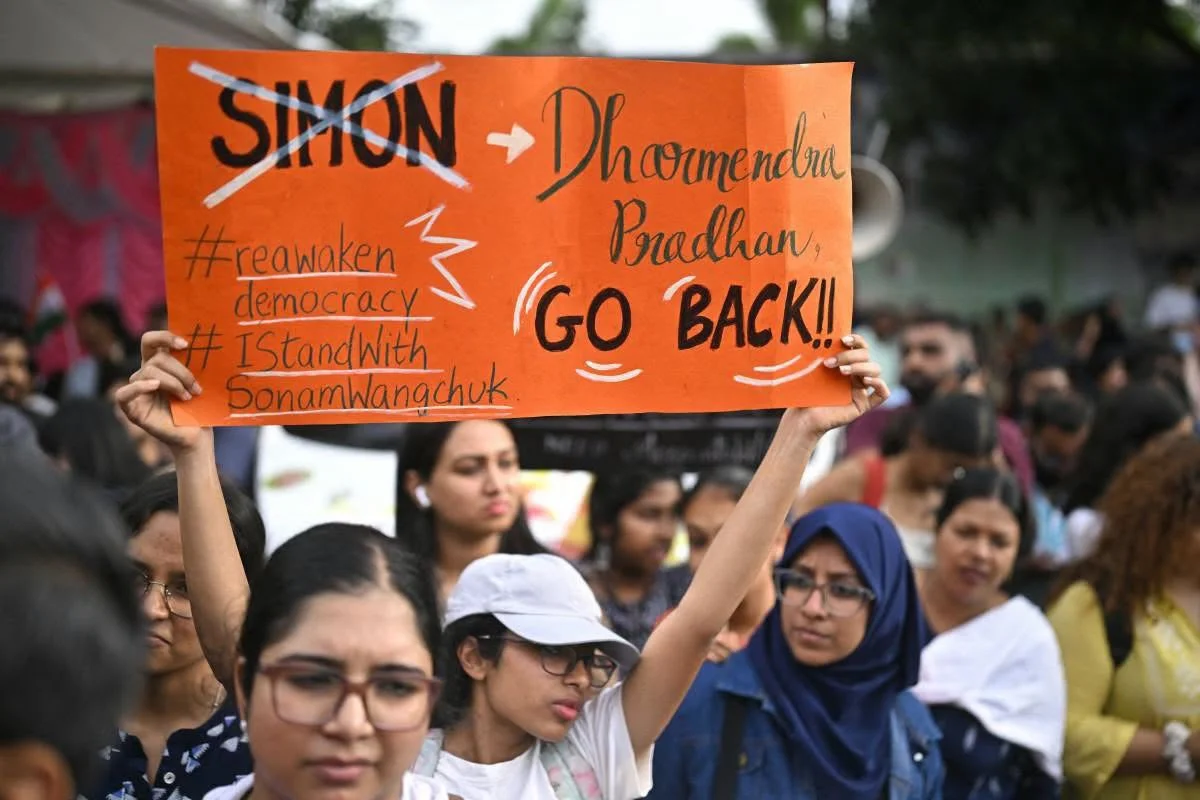
The youth-led protest movement in India has intensified, with the Cockroach Janta Party (CJP) sending a clear message to the Modi government that demonstrations will continue until the resignation of Education Minister Dharmendra Pradhan.
Despite government pressure and a police crackdown, the CJP protest continued with full force for the second consecutive day in New Delhi. Demonstrators have demanded the resignation of both Education Minister Dharmendra Pradhan and Prime Minister Narendra Modi over what they describe as failed education policies and repeated examination scandals.
On Tuesday, hundreds of protesters remained present at Delhi’s Jantar Mantar protest site, rejecting state pressure and continuing their demonstration. The movement had gained momentum on Monday when thousands of students, parents, young people, and social activists marched toward the Indian Parliament despite government restrictions.
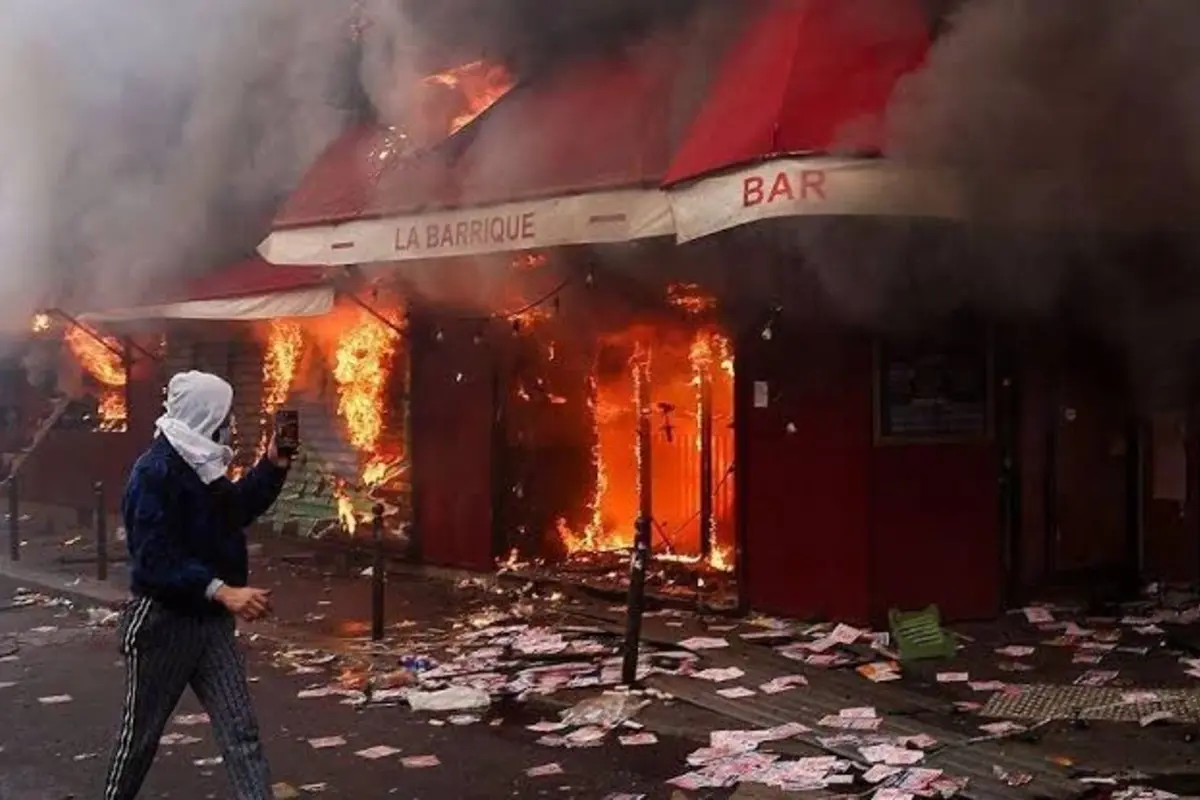
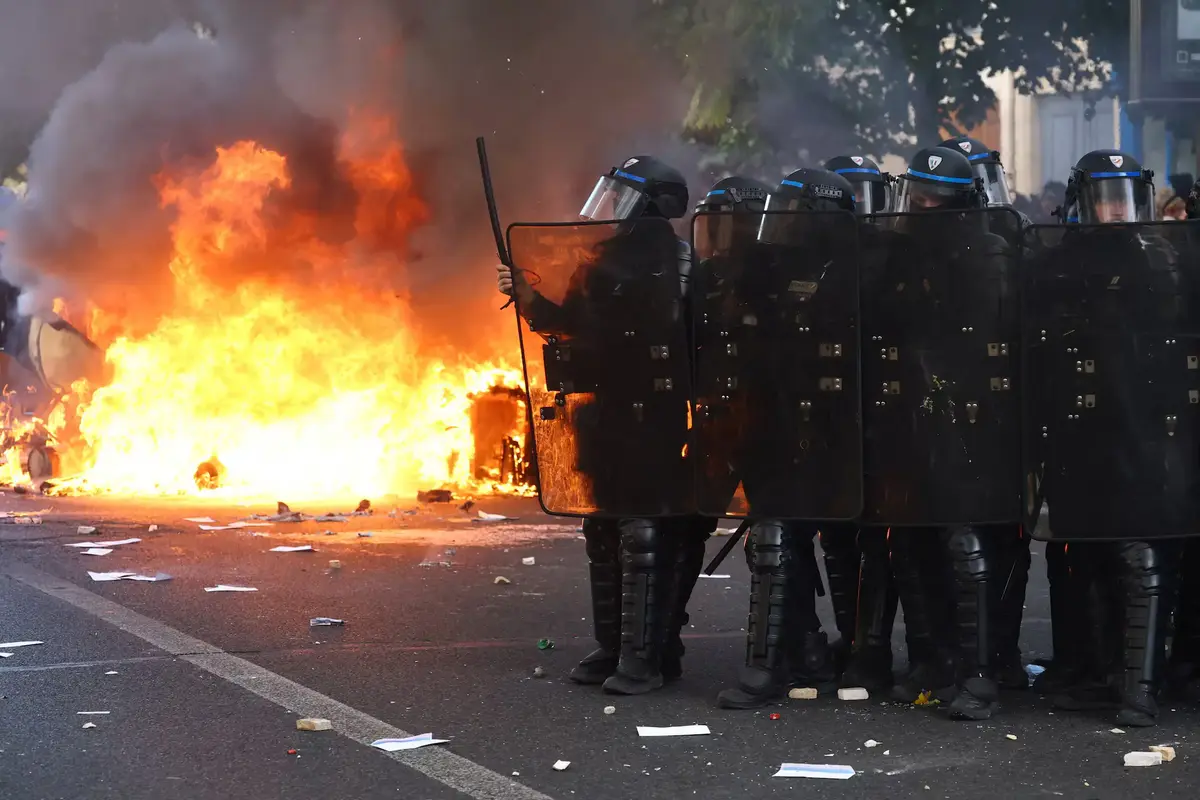
During the march, Indian police attempted to stop the peaceful protesters through force, leading to clashes between security personnel and demonstrators. Police used tear gas and baton charges to disperse the crowd, triggering widespread anger among protesters and opposition groups.
The crackdown resulted in injuries to nearly 180 people, including protesters and police personnel. Demonstrators accused Indian authorities of using excessive force against women, students, and peaceful participants during the protest.
A delegation of CJP leaders also met with BJP President J.P. Nadda and presented their demands before the government, calling for accountability over the education crisis and examination irregularities.
Opposition leaders Rahul Gandhi and Priyanka Gandhi joined the protests outside Prime Minister Narendra Modi’s residence, condemning the police action against students. Rahul Gandhi demanded accountability from Prime Minister Modi and called for a public apology over the treatment of young protesters.
However, police forces removed Rahul Gandhi’s sit-in protest, after which he announced that the opposition would continue raising its voice against government pressure and alleged suppression of dissent.
Bollywood actors Shabana Azmi and Prakash Raj also reached Jantar Mantar to express solidarity with young protesters. Shabana Azmi participated in the march from a truck and joined demonstrators in crossing police barriers during the protest.
Amnesty International criticized the police crackdown, describing the suppression of peaceful democratic expression as a serious and unacceptable action.
The protest at Jantar Mantar remains ongoing, although the CJP postponed another march toward Parliament to prevent further escalation and avoid additional violence.
The movement, which began on social media in May 2026, quickly gained support from millions of Indian young people. Observers describe it as one of the biggest public challenges faced by the Modi government over its governance style and handling of youth concerns.
The recent examination scandals have once again exposed serious flaws in India’s education system. Following paper leaks, around 2.2 million medical candidates were forced to face the hardship of appearing for examinations again.
Similarly, irregularities in the online marking system affecting nearly 2 million high school students further damaged public confidence in India’s education institutions.
Experts say that rising unemployment, repeated examination scandals, and concerns over the future of young people have become major reasons behind growing frustration among India’s youth against the Modi government.