
Trump Imposes New Forced Labour Tariffs on 60 Nations

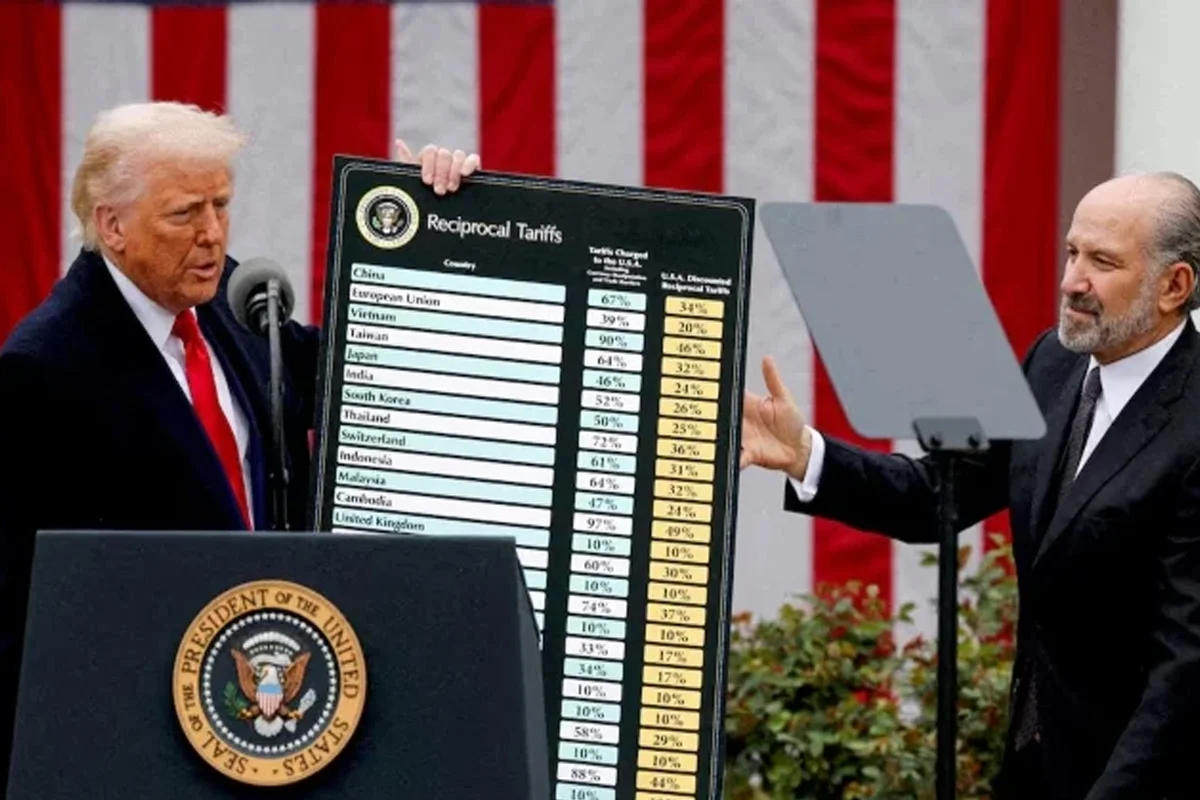
The Trump administration is set to impose new tariffs of 10% and 12.5% on goods from 60 trading partners, including the European Union, over allegations of insufficient enforcement against forced labour, timed precisely to take effect as a temporary 10% global tariff expires Friday.
The new duties, covering 99.4% of US imports, mark the White House’s latest attempt to preserve a near-universal tariff floor after the Supreme Court struck down Trump’s earlier “reciprocal” tariffs in February.
The legal architecture behind this move appears deliberately more resilient than its predecessor. Rather than relying on the emergency powers law the Supreme Court rejected, the administration invoked Section 301 of the Trade Act of 1974 — a statute that has withstood prior legal challenges, according to trade lawyers cited in reporting on the decision. That distinction matters considerably: the new tariffs take effect at the exact moment the old ones expire, with goods already in transit exempted until July 28, effectively creating continuity in tariff coverage while shifting to firmer legal ground.
US Trade Representative Jamieson Greer framed the action around forced labour enforcement rather than trade deficit reduction, noting the US has maintained a forced labour import ban for nearly a century and arguing trading partners should match that rigor. He described the move as addressing both a human rights violation and a distorting trade practice. Greer has previously indicated that countries with existing tariff-capping trade deals with Washington won’t see rates pushed above those negotiated ceilings under the new duties.
The country-by-country breakdown shows most nations, including Pakistan, Britain, Canada, Mexico, and India, facing a 10% rate, while 38 countries — including China — face 12.5%. China’s inclusion connects to longstanding US allegations regarding Uyghur detention camps, which Beijing denies. Separately, administration officials have signaled plans to restore tariffs on Chinese goods to the 20% level agreed in a November 2025 trade truce with President Xi Jinping, up from the 10% rate that had applied before this action, while stopping short of exceeding that ceiling.
Reaction split sharply along political and diplomatic lines. Norway’s Foreign Minister Espen Barth Eide argued there’s no basis for the tariff given the country’s existing forced labour prevention rules, while Australia and Brazil called the duties unjustified and said they’d seek their removal. Canada, already absorbing new Trump tariffs on $20 billion worth of goods earlier this week, offered a notably restrained response, with trade minister Dominic LeBlanc saying Ottawa would continue engaging constructively on the matter. Domestically, Massachusetts Governor Maura Healey criticized the tariffs as raising costs and weakening American competitiveness.
Trade analysts note the new duties largely mirror existing negotiated tariff levels rather than representing a fresh escalation, effectively replacing the expiring Section 122 tariffs with a legally sturdier mechanism covering nearly identical ground. Exemptions apply to oil and gas, fertiliser, select food items, and goods already covered under Section 232 national security tariffs like autos and steel, along with products compliant with the US-Mexico-Canada Agreement given the integrated North American supply chain.
Whether Section 301’s stronger legal track record shields these tariffs from the kind of court challenge that unwound Trump’s earlier reciprocal duties will likely determine how durable this approach proves — a test that trade lawyers suggest favors the administration given the statute’s history of surviving prior litigation.
Catch all the World News, Breaking News Event and Trending News Updates on GTV News
Join Our Whatsapp Channel GTV Whatsapp Official Channel to get the Daily News Update & Follow us on Google News.
Must Read

Entertainment
Arjun Bijlani’s Wife Neha Faces Severe Backlash Over Allah, Rasool T-Shirt
14-October،2026