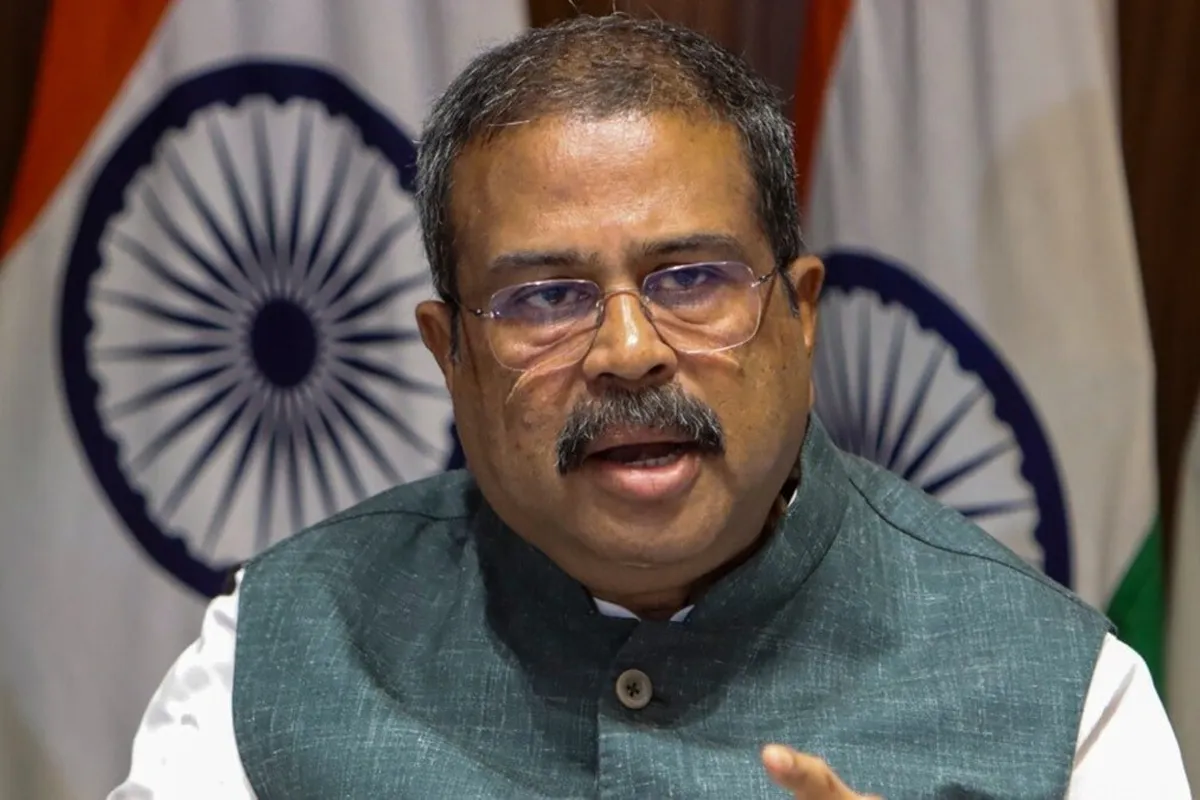
India’s Education Minister Dharmendra Pradhan has resigned after nearly two months of sustained protest by the Cockroach Janta Party over the NEET-UG paper leak, sharing his resignation letter on social media as Prime Minister Narendra Modi immediately accepted it.
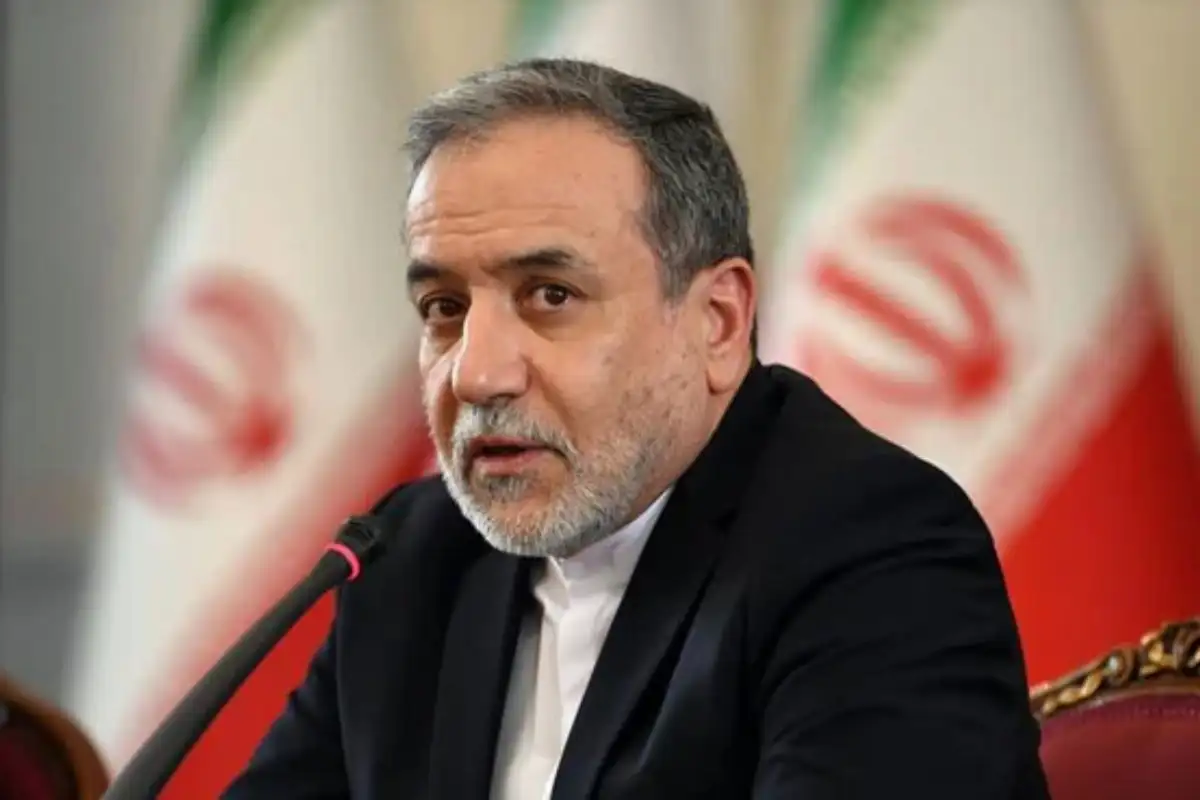
In the letter, Pradhan wrote to the country’s young people, describing more than four decades devoted to education as a student, teacher, and reform advocate, and said he has always believed a strong, inclusive, and forward-looking education system forms the foundation of a strong nation. He said he holds deep respect for young people’s aspirations, emotions, and legitimate demands.
Pradhan detailed the government’s response to irregularities that surfaced during the May 2026 NEET-UG exam, saying authorities immediately handed the investigation to the CBI, cancelled the exam, and announced a new test date. He wrote that his commitment was to ensure no capable student’s future would be destroyed by what he called an exam mafia, and that no student would face injustice.
He noted that NEET-UG results announced July 16 were satisfactory overall, with many capable students from poor backgrounds succeeding — but said individuals in positions of responsibility had tried to mislead and obstruct students even during that process, which left him deeply saddened.
Pradhan wrote that he has always held firm faith in the strength of India’s democratic system and deep respect for young people’s aspirations, dreams, and expectations, describing them as the standard-bearers, builders, and architects of a new and developed India’s future. He said the events of the past ten days had left him personally troubled, stressing this wasn’t a matter of personal dignity but recognition that India’s youth represent the country’s real strength.
He said he would not let the country’s young strength fall victim to deception, and expressed hope that anti-national forces would not exploit the situation building at Jantar Mantar and across the country. He wrote that national unity must be preserved, no Indian student’s future should become entangled in legal complications, and that children should be able to focus their time on studies and building careers — considerations he said led him to submit his resignation to the prime minister.
CJP’s spokesperson responded that the resignation, if genuine, was very welcome news, though no contact with the government had occurred regarding it.
The spokesperson added that critics used to claim resignations don’t happen under this government, but Pradhan had now resigned — framing it as vindication of the movement’s approach.
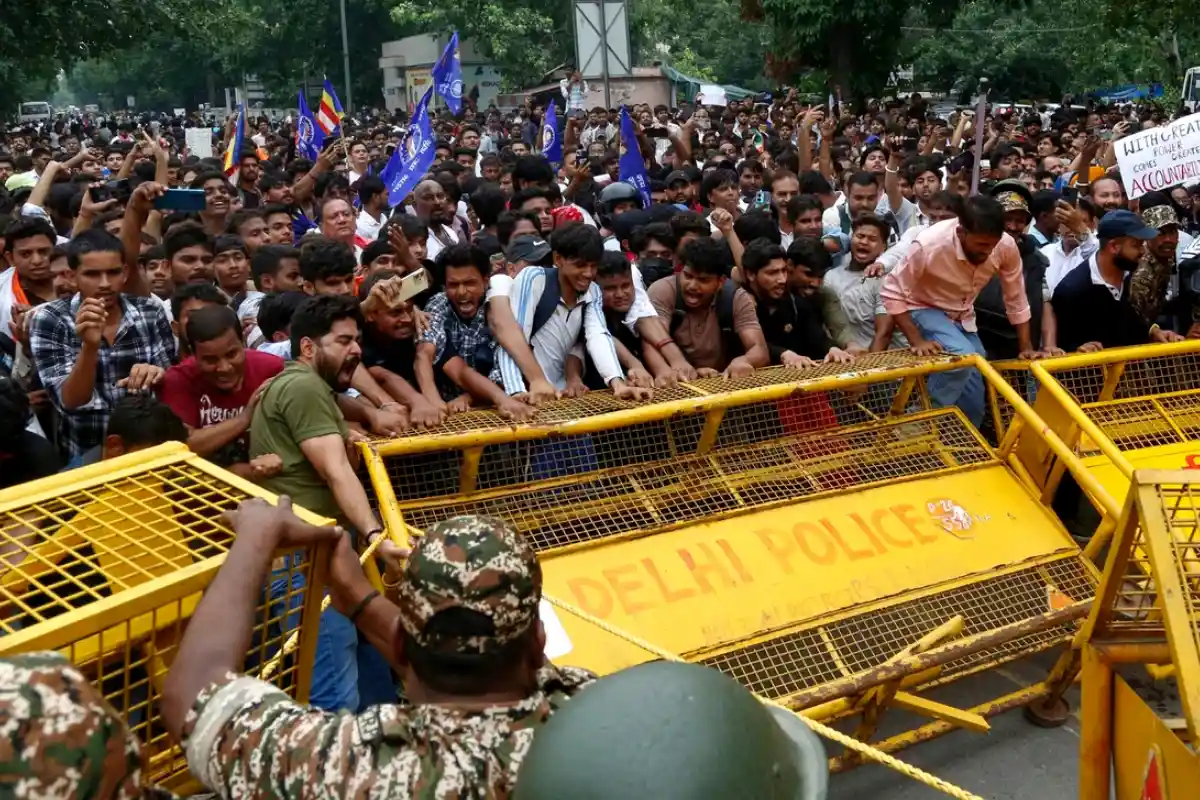
The resignation follows nearly two months of sit-in protest at Jantar Mantar, during which activist Sonam Wangchuk held a 26-day hunger strike. The movement’s defining confrontation came July 20, when thousands gathered following CJP’s call, met with what protesters described as severe baton charges, water cannons, and dozens of detentions. Modi had addressed the crisis roughly a month and a half in, releasing a video message urging protesters to end their demonstration, but young protesters held firm on demanding Pradhan’s resignation and rejected the government’s fast-track court proposal as insufficient. Opposition parties and other political and social figures had continued backing the protesters’ demands throughout.