
Major Change at Iran’s Military Top: Vahidi Appointed New IRGC Chief

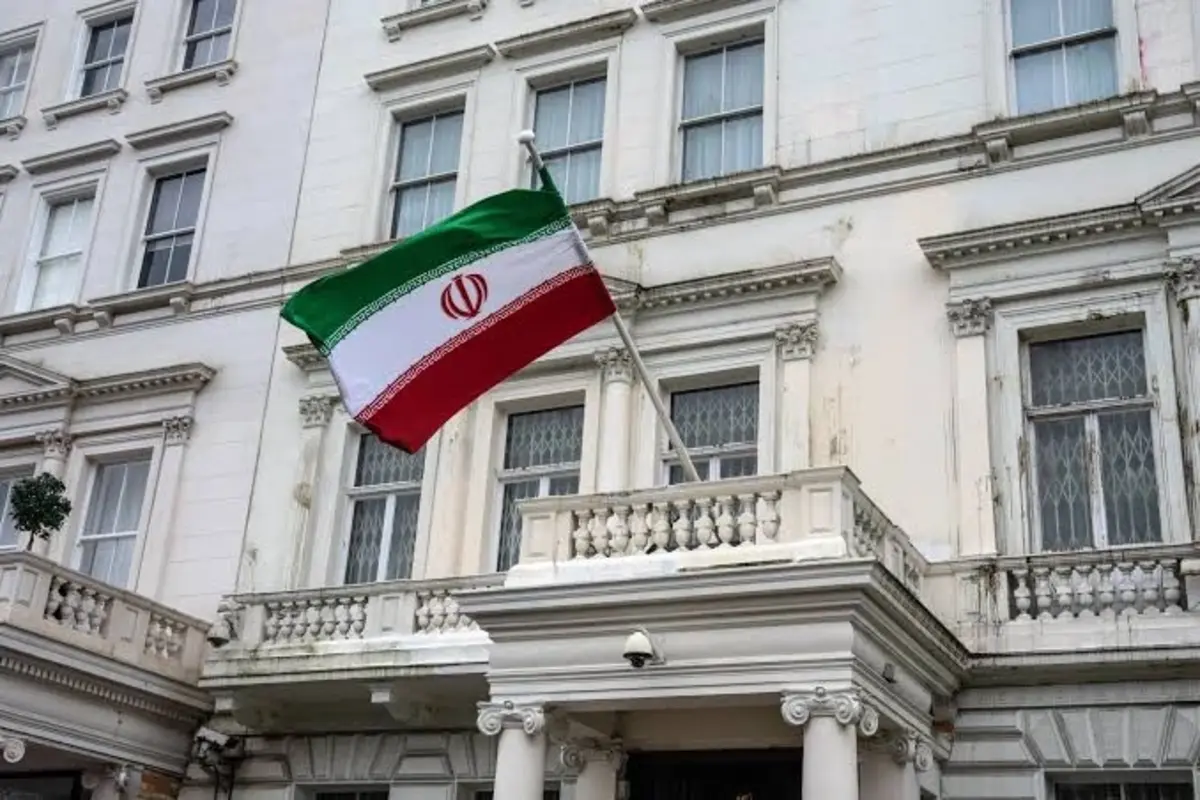
Iran’s Supreme Leader Mojtaba Khamenei formally filled six senior military posts on Monday, closing out a command vacuum left by strikes that killed the country’s top defense officials earlier this year.
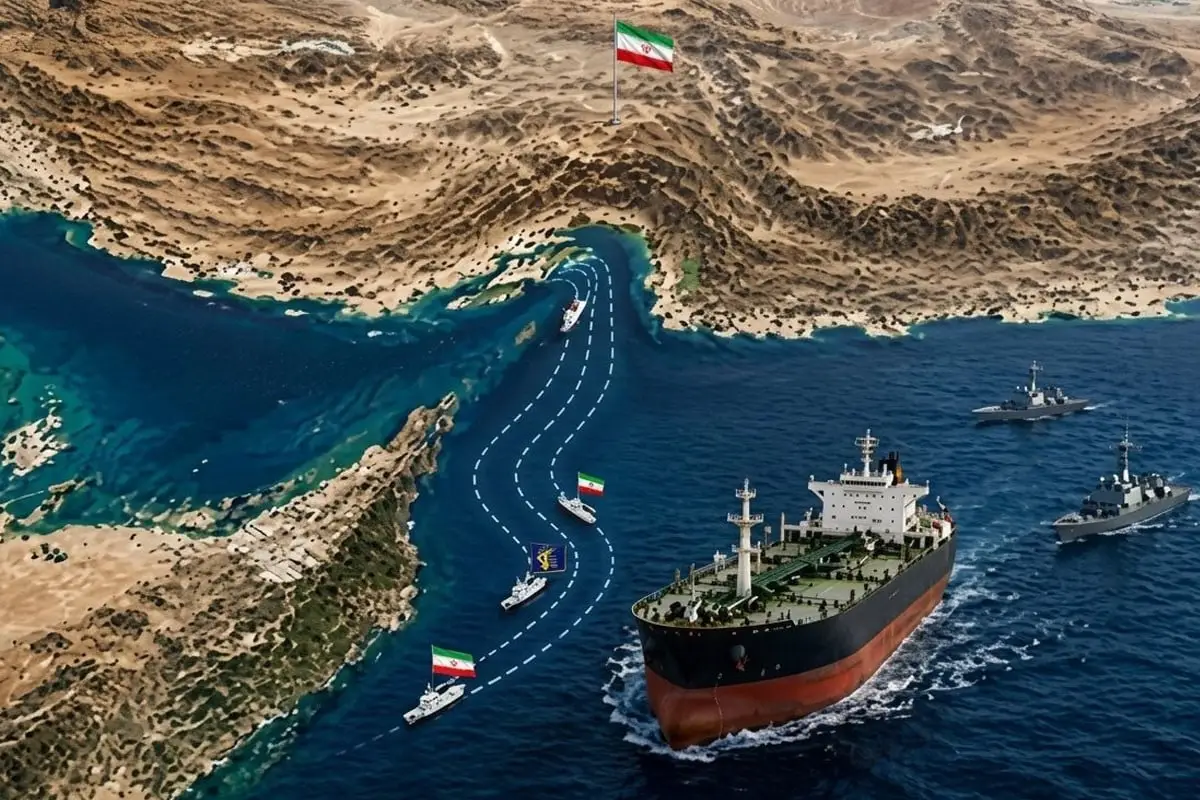
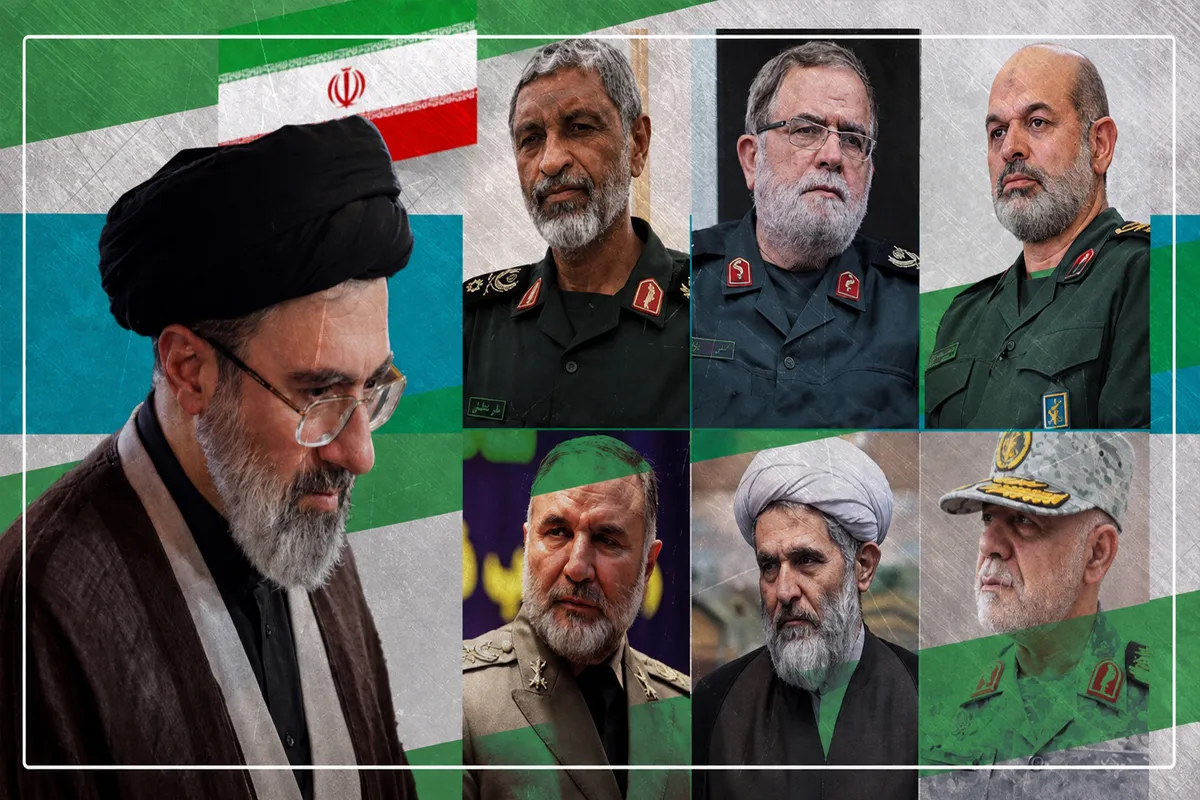
The decrees name Ali Abdollahi as Chief of Staff of the Armed Forces, Kioumars Heidari as his deputy, Ahmad Vahidi as IRGC commander-in-chief with a promotion to major general, Mostafa Izadi as his deputy, Ali Ozmaei as IRGC Navy commander, and cleric Hossein Taeb as head of the Basij. Every predecessor in these roles — Abdolrahim Mousavi, Mohammad Pakpour, Alireza Tangsiri and Gholamreza Soleimani among them — was killed in US-Israeli strikes since the war began in late February, which Tehran’s decrees describe as the work of the “Zionist-American enemy.”
What makes this reshuffle notable isn’t just the names — it’s the timing. Vahidi and Ozmaei had reportedly been running the IRGC and its navy in practice for months without a published appointment from the Leader’s office. Monday’s decrees essentially formalize a command structure Iran had already been operating under, rather than announcing fresh leadership choices. That distinction matters for reading Iranian intent: this looks less like a shake-up than administrative housekeeping for arrangements forged mid-crisis.
The substance of the decrees leans toward continuity and consolidation rather than change in direction. Khamenei instructed the new Chief of Staff to finish merging the Armed Forces General Staff with the Khatam al-Anbiya Central Headquarters — a structural integration effort tied to policy set under his predecessor, the late Ayatollah Ali Khamenei. Vahidi, for his part, was told to pursue “maximum deterrence” and prepare the IRGC for offensive operations, language that signals no near-term shift toward de-escalation.
Vahidi’s own background adds weight to that reading. He’s held senior IRGC intelligence roles dating to the 1980s and later served as Iran’s interior minister, and analysts have flagged him as a hardline influence now sitting close to Iran’s negotiating posture — a detail with direct bearing on how Tehran approaches any resumed talks with Washington.
The reshuffle also lands alongside a parallel move at the political level: President Masoud Pezeshkian recently named Mohsen Rezaei to head the Supreme National Security Council after Mohammad Baqer Zolqadr’s resignation, redirecting Zolqadr into an advisory role. Together, the appointments suggest Iran is squaring away its wartime chain of command on both the military and security-policy sides at the same time — a signal to allies and adversaries alike that the leadership structure, however reshaped by losses, is not in question.
With formal appointments now in place across the IRGC, armed forces and Basij, attention shifts to whether this consolidated command changes Iran’s negotiating posture in the stalled talks with Washington, or simply hardens the current standoff.
Catch all the World News, Breaking News Event and Trending News Updates on GTV News
Join Our Whatsapp Channel GTV Whatsapp Official Channel to get the Daily News Update & Follow us on Google News.
Must Read

Pakistan
GTV News MD Meets Acting Chinese Consul General in Karachi to Celebrate Pak-China Friendship
14-October،2026