
Qatar Pushes Hormuz Reopening as Iran Lists Its Conditions

Qatar’s prime minister flew into Tehran Thursday to do something Washington itself has stopped doing: talk. Sheikh Mohammed bin Abdulrahman Al Thani’s visit — the first high-level Qatari trip to Iran since the war began February 28 — produced a genuine, if narrow, diplomatic step: Iran agreeing to formally list the conditions it wants met before reopening the Strait of Hormuz, after mediators specifically asked Tehran to put them in writing.
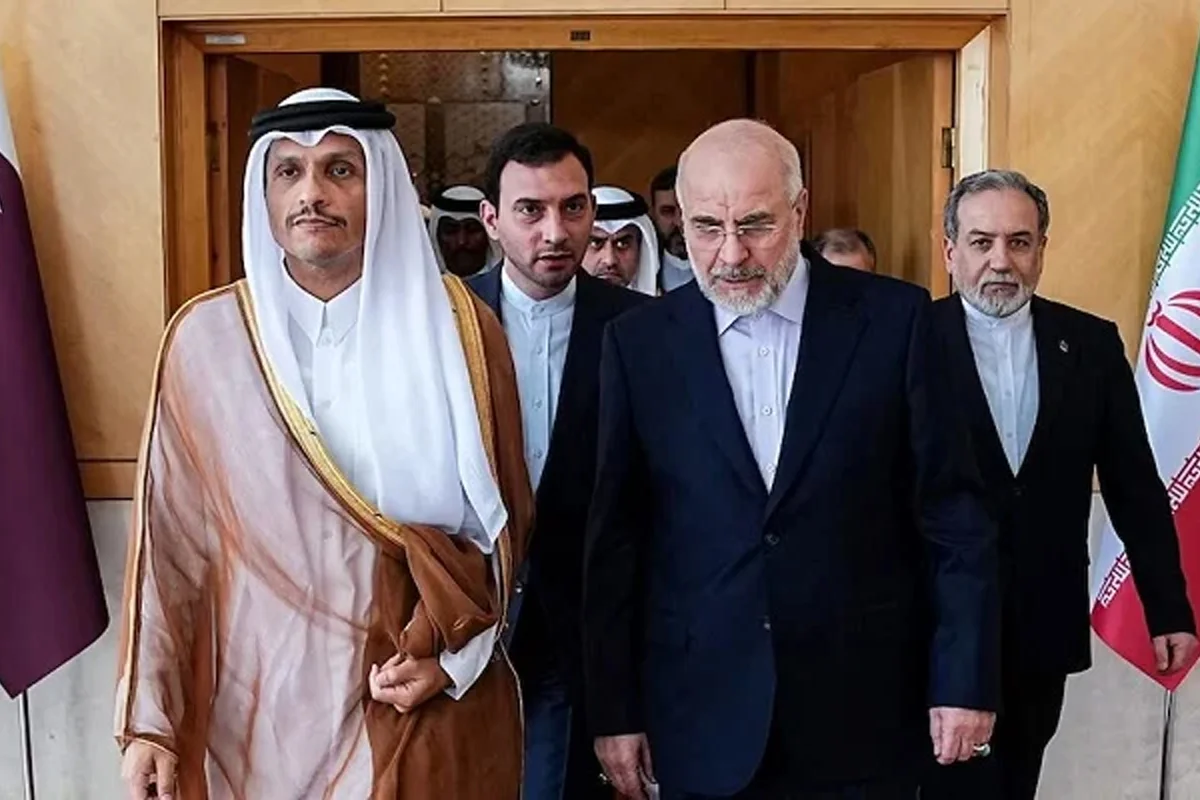
Sheikh Mohammed, who also serves as Qatar’s foreign minister, met Iranian Foreign Minister Abbas Araghchi, President Masoud Pezeshkian, parliament speaker Mohammad Bagher Ghalibaf and security chief Mohsen Rezaei in a single day of shuttle meetings. He stressed on X “the importance of respecting freedom of navigation in the Strait of Hormuz in accordance with international law,” and Qatar’s foreign ministry said the talks covered a proposed framework including a temporary shipping corridor and a possible joint mine-clearing project — largely the same technical outline Oman and Iran have been negotiating separately for weeks.
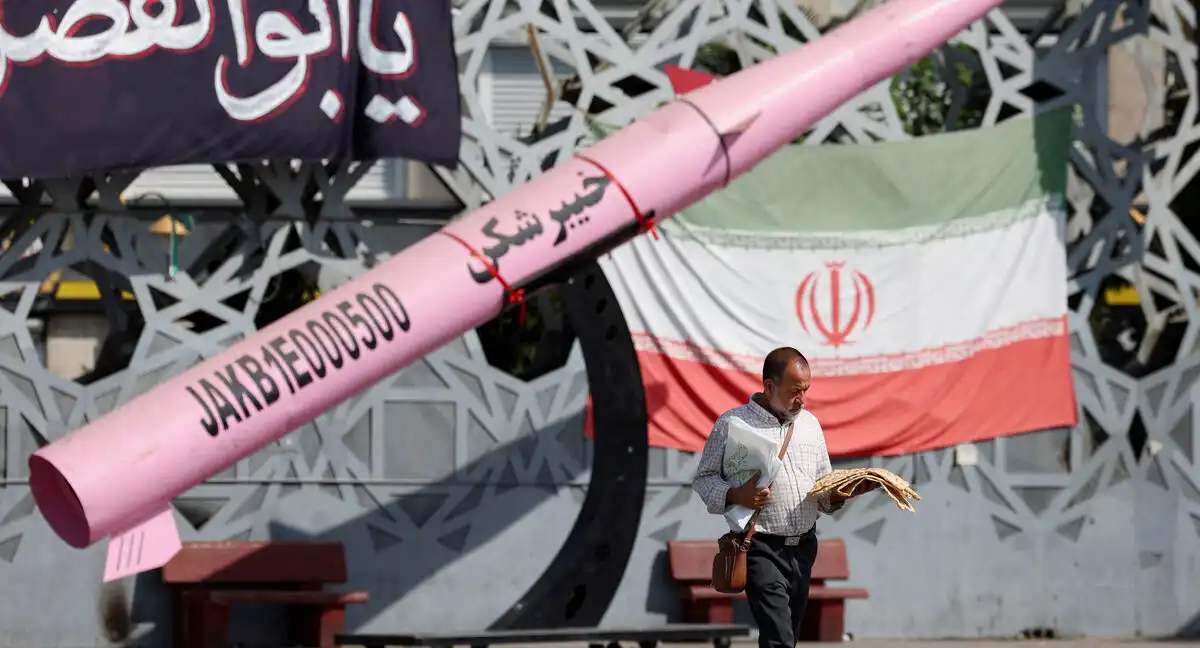
Rezaei’s response to that pressure gave the visit its sharper edge. He told the Qatari delegation Tehran would strike US military and economic interests if Washington engaged in “mischief,” and said Iran was now formally preparing its list of reopening conditions after being asked to by mediators — historically including an end to the US naval blockade, compensation for war damage, and sanctions relief. Speaking separately to Al Manar TV through an interpreter, he described a shipping arrangement already largely worked out with Oman: ships would use a designated central channel split between Iranian and Omani waters, contingent on the US meeting Iran’s terms first. Whether Tehran intends to soften those long-standing demands into something Washington might actually accept remains, as before, unclear.
Washington’s own position undercuts the idea that Qatar’s diplomacy has an American partner waiting on the other end. White House Press Secretary Karoline Leavitt said Thursday that “no negotiations are happening right now, and this will continue until the president feels that maybe they come to the table in a meaningful way,” framing the current approach in explicitly two-track military-economic terms: “We’ve had Operation Epic Fury to destroy their military. Now we have Operation Economic Outcast to destroy their economy.” That leaves Qatar negotiating opposite a side that has, by its own description, deliberately stepped back from the table — mediating a dispute where only one of the two parties is currently offering terms.
Araghchi added a parallel demand aimed at Iran’s neighbors rather than Washington directly, calling on regional states to prevent the US from using their territory to launch military or economic action against Iran — a request that puts Gulf host nations, several of which are simultaneously hedging their own security bets per recent reporting on frayed US-Gulf trust, in an increasingly uncomfortable position between Washington’s basing arrangements and Tehran’s explicit warnings.
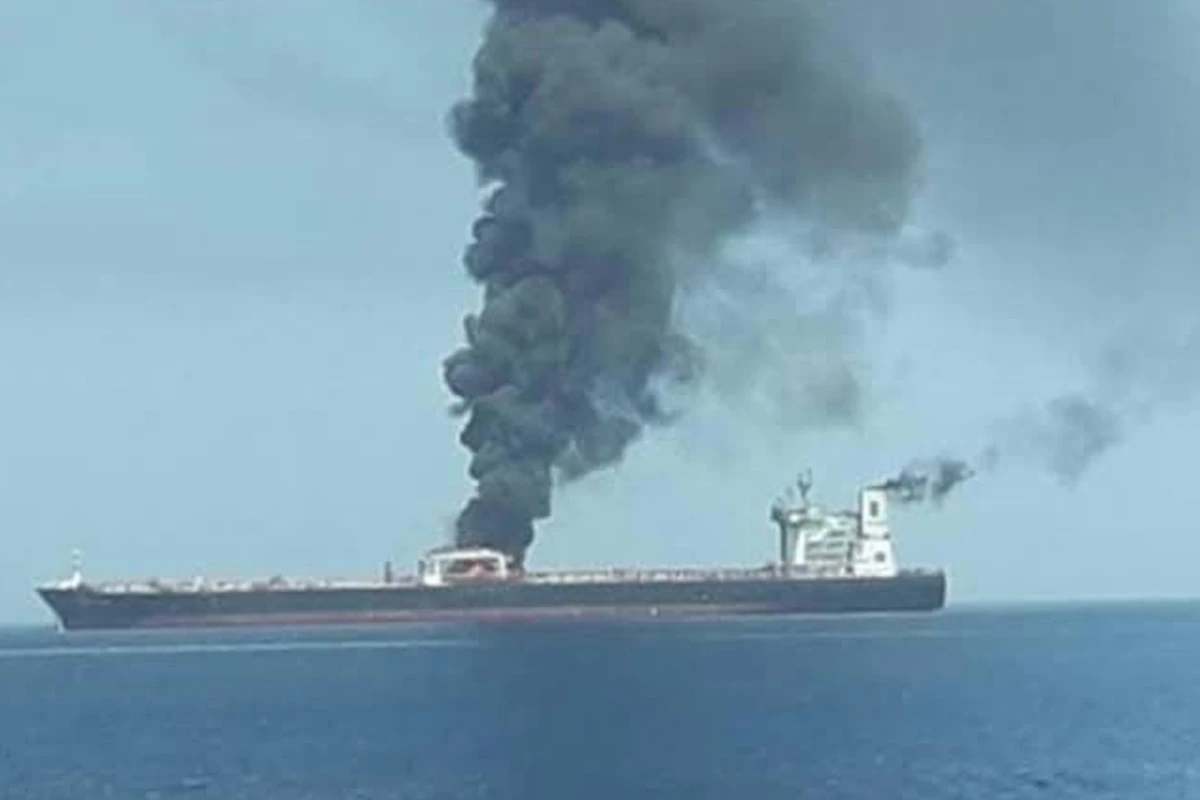
The UN’s International Maritime Organisation has recorded 70 incidents in the strait since the war began, killing 19 seafarers — the human toll underlying why Qatar keeps returning to this specific diplomatic project even as the broader war shows no sign of a comprehensive resolution. Whether Iran’s forthcoming conditions list becomes something Qatar can actually carry to Washington, or simply restates demands the US has already rejected once, will likely determine whether Thursday’s visit marks real momentum or another data point in six months of mediated stalemate.
Catch all the World News, Breaking News Event and Trending News Updates on GTV News
Join Our Whatsapp Channel GTV Whatsapp Official Channel to get the Daily News Update & Follow us on Google News.
Must Read