
Trump’s Iran Announcement Sends Oil Prices Lower, but Fears Push Them Back Up

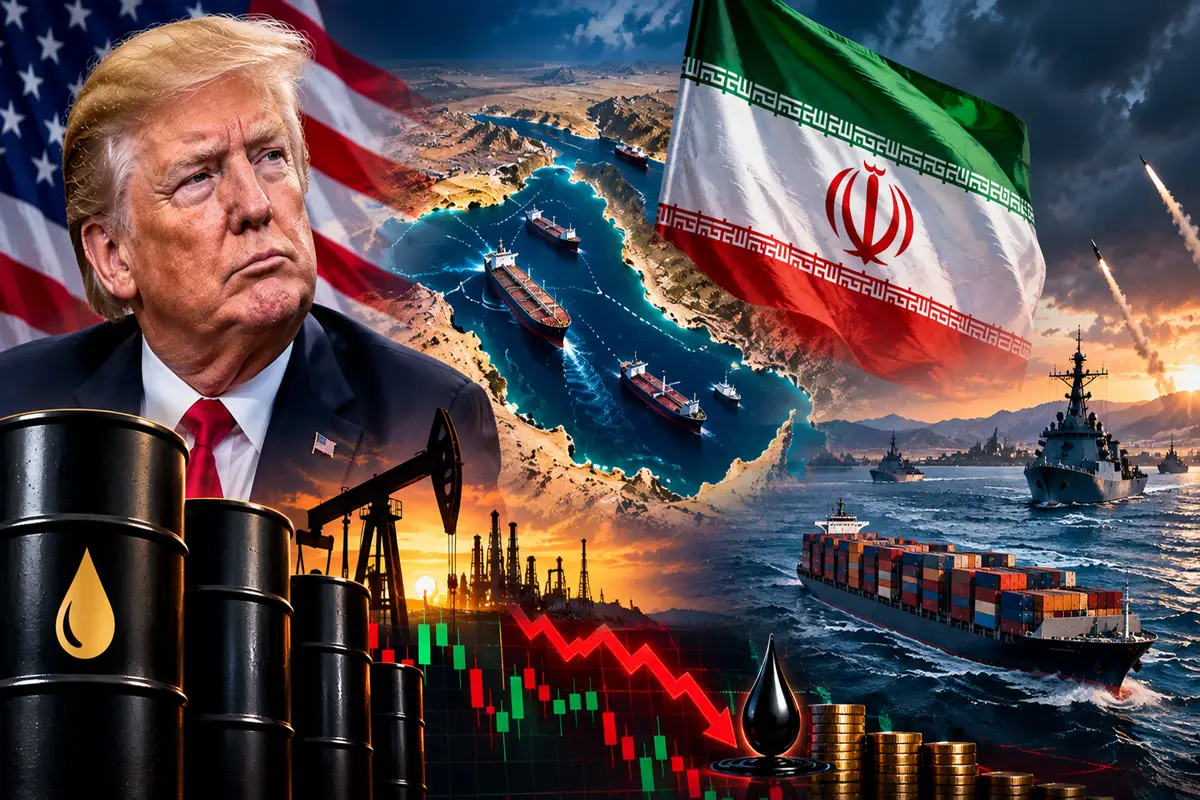
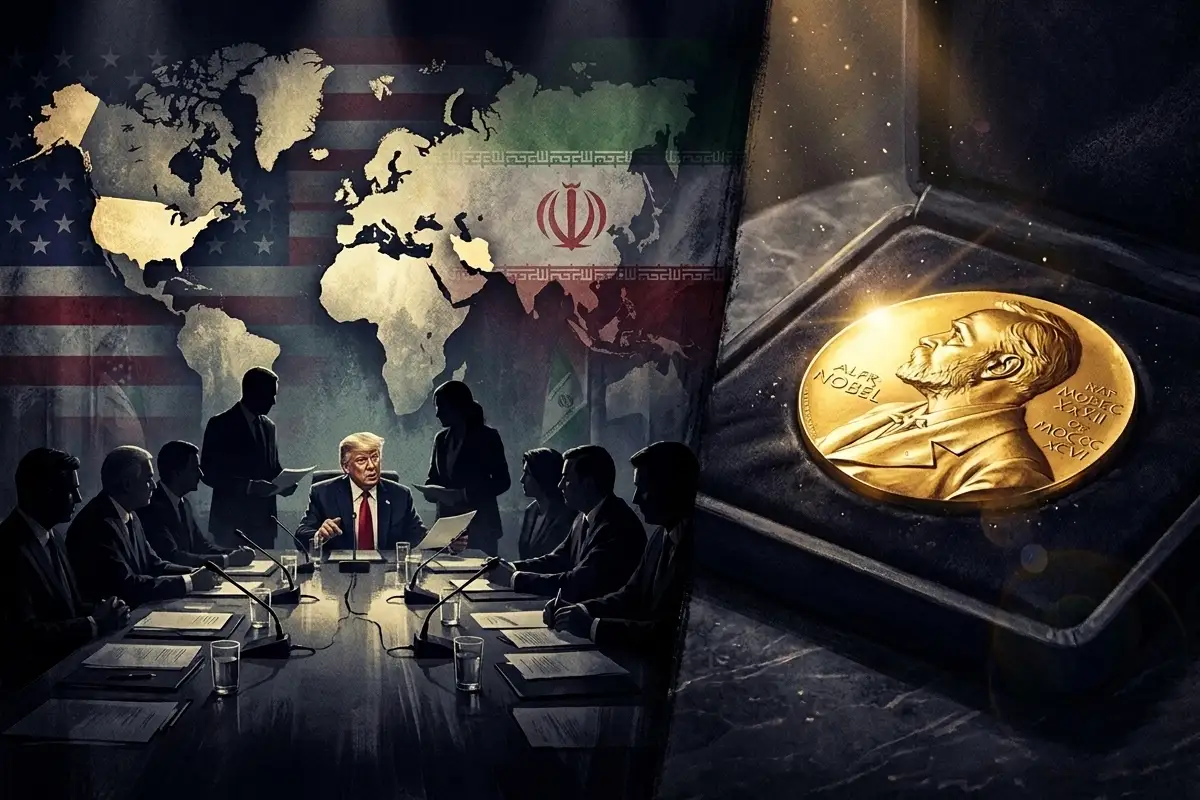
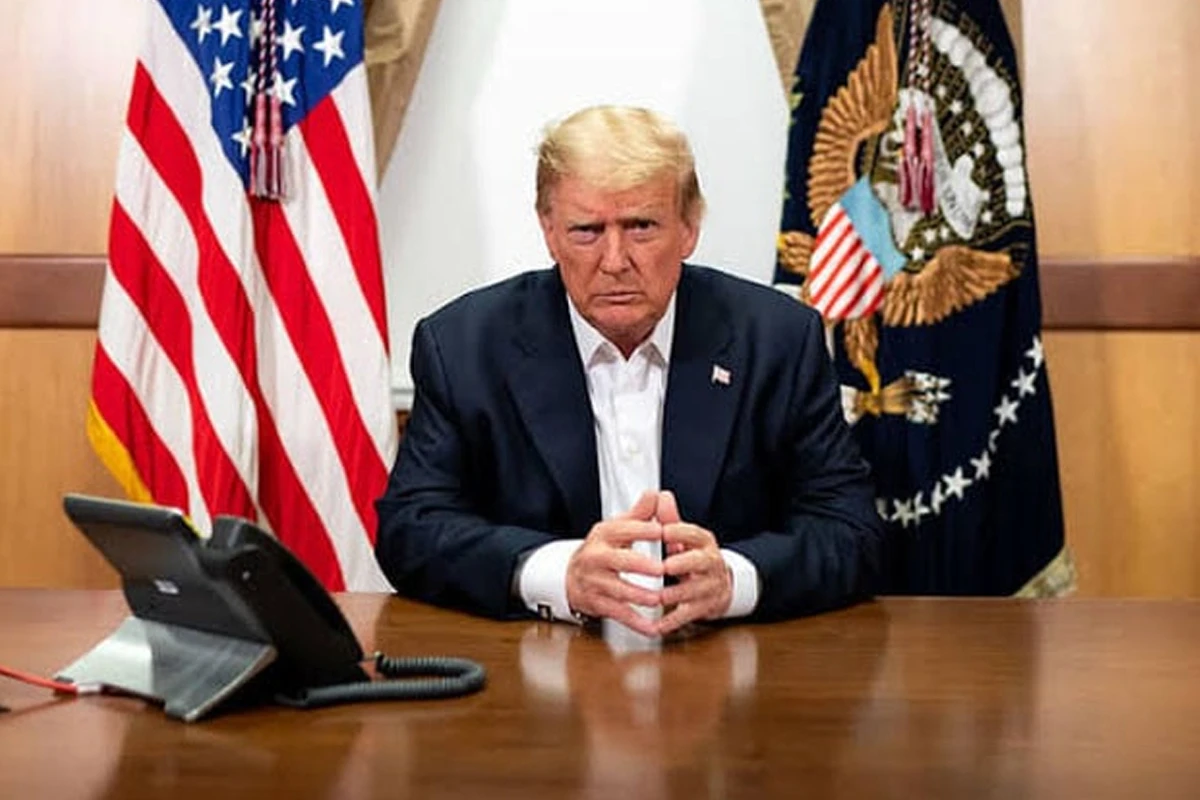
WASHINGTON: Global crude oil prices briefly declined after US President Donald Trump said he would not launch new attacks on Iran before the midterm elections, but prices rebounded as tensions in the Middle East and concerns over oil supplies continued to unsettle markets.
During trading on October 9, Brent crude fell by around 1% to near $103 a barrel, at times slipping below that level. A day earlier, prices had risen by approximately 4% amid concerns over the possibility of fresh US attacks on Iran.
Trump’s announcement briefly eases market concerns
Trump said the United States would not launch new attacks on Iran before the November 3 midterm elections. His remarks, alongside positive signals about talks with Tehran, eased immediate concerns about a military escalation, putting temporary downward pressure on oil prices.
However, the announcement did not end tensions between Washington and Tehran. US sanctions and continued economic pressure on Iran have left the global energy market facing considerable uncertainty.
Strait of Hormuz remains a major supply risk
The war involving Iran and the United States has disrupted oil shipments through the Persian Gulf and the Strait of Hormuz, a critical maritime route for global energy supplies. Before the conflict, roughly one-fifth of the world’s oil and other liquid fuel consumption passed through the strait.
Security threats to commercial vessels, disruptions to shipping and rising insurance costs have added to uncertainty in energy markets. Potential risks to shipping through the Red Sea and the Bab al-Mandeb Strait could also create further challenges for global trade and energy transportation.
Signs of movement in US-Iran negotiations
Iranian media reported that Foreign Minister Abbas Araghchi said Tehran was reviewing Washington’s response to an Iranian proposal concerning the reopening of the Strait of Hormuz.
Despite these diplomatic contacts, no comprehensive and lasting agreement between the two countries has been announced. The continuation of talks has therefore not eliminated uncertainty over the region’s security outlook.
Why did oil prices rise again?
Brent crude recovered to $104.72 a barrel by the close of trading on October 9. According to the information provided, concerns that a hurricane in the Gulf of Mexico could disrupt US oil production also contributed to the rebound.
The price movement highlights how global oil markets respond not only to political statements but also to production levels, demand, shipping conditions and weather-related disruptions. Any significant interruption in a major producing region can push prices higher again.
What could this mean for Pakistan?
Pakistan relies heavily on imported fuel to meet its energy needs, making the country vulnerable to sustained increases in international crude oil prices. Higher prices can increase the import bill, put pressure on foreign exchange reserves and contribute to domestic inflation.
However, changes in international oil prices do not translate immediately or proportionately into local petrol and diesel prices. The impact also depends on the exchange rate, taxes, government levies and the domestic fuel pricing mechanism.
The latest market movements suggest that Trump’s announcement may provide temporary relief, but volatility is likely to persist while the war involving Iran, potential disruptions in the Strait of Hormuz and wider concerns over global energy supplies remain unresolved.
Catch all the World News, Breaking News Event and Trending News Updates on GTV News
Join Our Whatsapp Channel GTV Whatsapp Official Channel to get the Daily News Update & Follow us on Google News.
Must Read


Pakistan
Pakistan Could Be Divided Into 16, 25 or More Administrative Units, WEF Analysis Suggests
10-October،2026