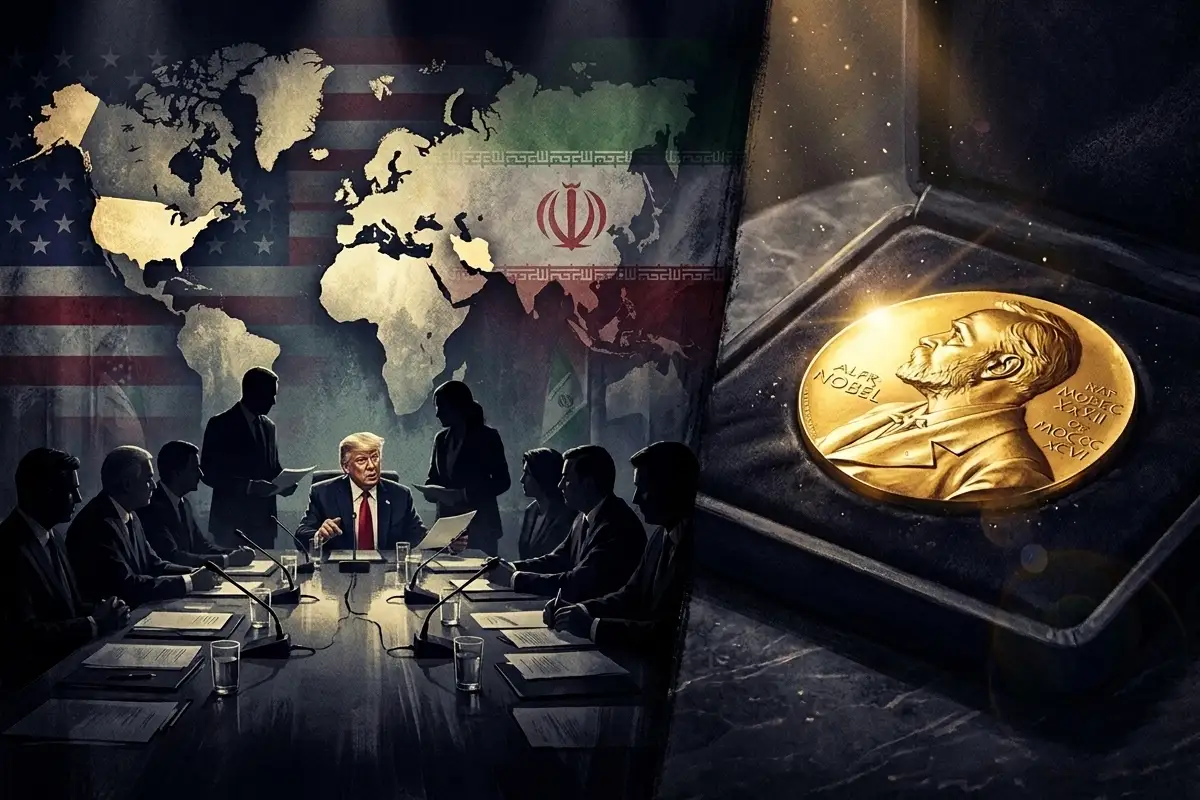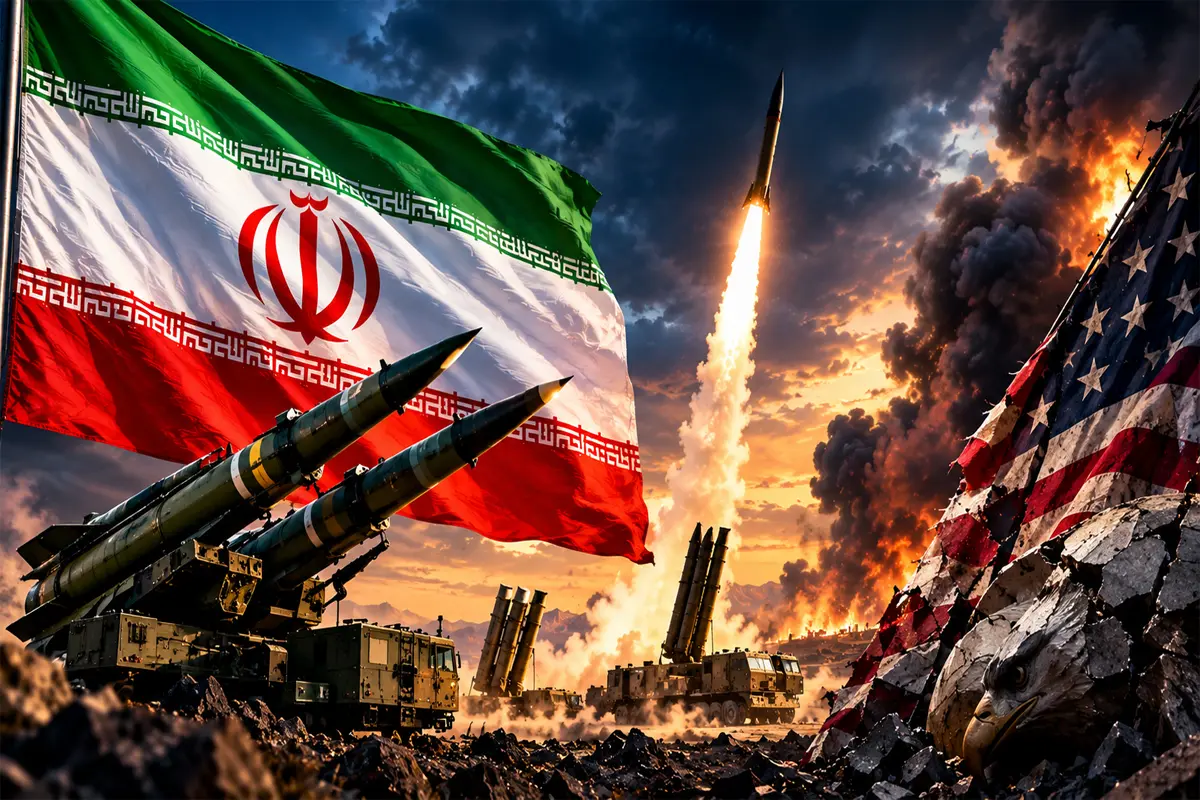

“You Will Kneel”: Iran Warns US to Remember Roman Emperor Valerian’s Fate

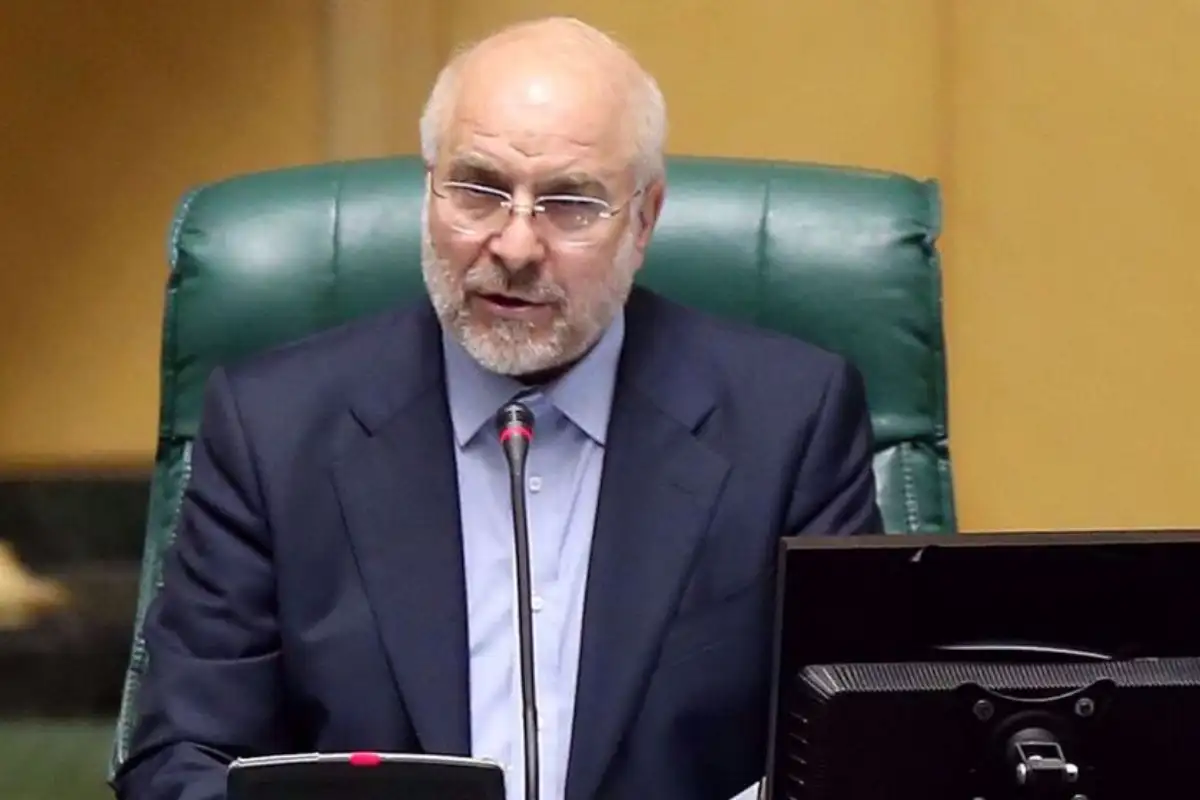
Iran Pushes Back Enemy in 'History-Making' War, Says Parliament Speaker Qalibaf
Iranian Parliament Speaker Mohammad Baqer Qalibaf has warned the United States against attempting to subdue Iran, invoking the fate of Roman Emperor Valerian in response to remarks by US Secretary of State Marco Rubio on Western civilisation and its historical legacy.
In a post on X, Qalibaf said the Iranian nation had confronted powers throughout history that considered themselves rulers of the world and sought to destroy ancient civilisations.
According to Qalibaf, such powers brought fire and destruction but ultimately faced humiliation and defeat.
Addressing the US secretary of state, the Iranian speaker said: “Those following in Alexander’s footsteps will face the fate of Valerian. You will kneel.”
US Secretary of State Marco Rubio delivered remarks at the historic Acropolis in Athens, Greece, emphasising Western civilisation, the legacy of ancient Greece and the importance of unity among Western countries.
Rubio called on Western nations to protect their historical identity and shared values. His address also drew on historical figures, including Alexander the Great.
Qalibaf responded by invoking Iran’s ancient history and citing the fate of foreign powers that had attempted to establish dominance over the region.
Valerian ruled the Roman Empire during the third century AD. In 260 AD, the Sasanian Persian king Shapur I defeated Roman forces and captured the emperor during a military campaign.
The capture was a major humiliation for Rome, as Valerian became the first Roman emperor known to have been taken prisoner by a foreign enemy.
The Sasanian victory was celebrated as a significant achievement in Persian history. However, historical accounts differ over some details of Valerian’s treatment and death following his capture.
By invoking Valerian, Qalibaf drew a parallel between the Roman defeat and what he portrayed as the potential consequences of attempts to subdue Iran.
Alexander the Great conquered the Achaemenid Persian Empire during the fourth century BC, bringing large parts of its territory under Macedonian rule.
Following Alexander’s death in 323 BC, his empire fragmented among his successors. Later, the Parthian and Sasanian empires emerged in the Iranian region and became major regional powers.
Qalibaf used these historical episodes to argue that foreign domination over Iran had never been permanent and that powerful empires could ultimately face defeat.
Qalibaf’s remarks come as military tensions and diplomatic differences between Washington and Tehran continue.
His statement offered a historical and rhetorical response to Rubio’s speech but did not announce any new military operation or formal war plan.
The central message from the Iranian parliament speaker was that the United States should consider the historical setbacks suffered by powerful empires before threatening Iran with military force.
Catch all the World News, Breaking News Event and Trending News Updates on GTV News
Join Our Whatsapp Channel GTV Whatsapp Official Channel to get the Daily News Update & Follow us on Google News.
Must Read

Pakistan
Pakistan Could Be Divided Into 16, 25 or More Administrative Units, WEF Analysis Suggests
10-October،2026