
US War on Iran Burns Past $1bn in Early Days, Total Cost Could Reach $95 Billion

US War on Iran Burns Past $1bn in Early Days, Total Cost Could Reach $95 Billion
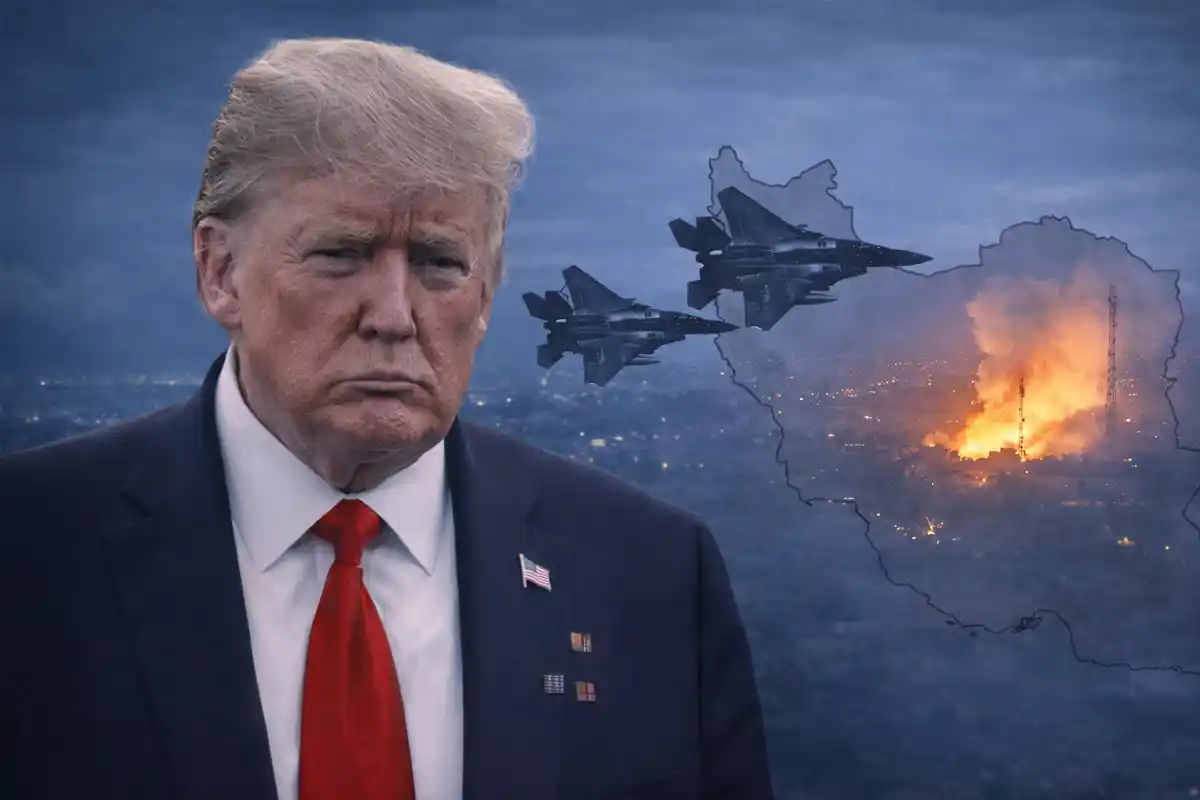
March 2026: The United States war on Iran has already cost American taxpayers more than $1 billion in just the first few days of fighting. Budget experts say the total cost could rise sharply if the conflict continues for a longer period.
Analysts estimate the overall military spending could reach between $40 billion and $95 billion. The wider economic damage could be even higher as tensions affect global trade and energy markets.
Military Deployment Cost Started Before Strikes
The financial burden began even before the first strikes were launched. According to reports, the United States spent around $630 million to move aircraft carriers, warplanes, and thousands of troops to the region.
The attacks came during a period of indirect nuclear talks between **Donald Trump’s administration and **Iran. The military action targeted several sites and increased tensions across the Middle East.
Iran responded strongly to the attacks. Iranian officials described the strikes as unjustified aggression and vowed to defend the country.
US Fighter Jet Losses Increase War Expenses
The cost of the conflict increased further after the loss of several US aircraft.
According to United States Central Command, three F-15E Strike Eagle fighter jets were lost in Kuwait during early operations.
Each jet costs around $90 million, meaning the total loss is close to $300 million. These losses added significantly to the early war spending.
Officials also claimed that more than 1,200 targets inside Iran were attacked during the first 48 hours of the conflict.
Expensive Weapons Used in the Conflict
Modern warfare uses advanced weapons that cost huge amounts of money.
Military forces reportedly used kamikaze drones, which destroy themselves when they hit a target. Each drone costs about $35,000.
If hundreds of drones were used in the attacks, the cost could easily reach tens of millions of dollars.
More expensive weapons were also deployed. Reports say **B-2 Spirit stealth bomber aircraft were used during the strikes. Operating one bomber costs between $130,000 and $150,000 per hour.
Cruise missiles such as the Tomahawk cruise missile also add heavy costs. Each missile is estimated to cost around $2 million.
Missile Defense Systems Also Very Costly
Defensive systems are also extremely expensive during war.
The **Terminal High Altitude Area Defense system, commonly known as THAAD, was used to intercept incoming missiles. Each interceptor missile costs about $12.8 million.
The number of interceptors used has not been officially confirmed. However, experts say the cost of defensive operations alone could reach hundreds of millions of dollars.
US Military Presence Adds Daily Expenses
Maintaining a large military presence also increases the overall cost of the conflict.
Reports suggest that nearly 50,000 American troops are currently involved in the operation.
Two aircraft carriers have also been deployed to the region. Operating one carrier costs several million dollars every day.
Experts estimate that running two carriers could cost around $13 million daily, and possibly more due to rising operational expenses.
Experts Warn of Massive Long-Term Cost
Economic experts warn that the final cost of the conflict will depend on how long the war continues.
Budget analyst Kent Smetters said the direct military cost will likely reach at least $40 billion.
He believes the more realistic estimate is close to $65 billion. If the conflict continues for a longer period, the cost could reach $95 billion.
The estimate also includes replacing destroyed weapons and equipment.
Global Economic Impact Could Be Huge
The economic impact of the war may go far beyond military spending.
Experts say disruptions in energy markets and global trade could cause $50 billion to $210 billion in additional losses for the United States.
The rising tensions have already pushed oil prices higher. Financial markets also reacted with concern when the first strikes began.
Strait of Hormuz Crisis Raises Global Concerns
The conflict has also affected the Strait of Hormuz, a key shipping route for global oil supplies.
Any disruption in this narrow waterway can affect the entire world economy because a large share of global oil shipments pass through it every day.
The situation has raised serious concerns among energy traders and governments around the world.
Civilian Casualties Continue to Rise
The war has also caused serious human losses.
Reports indicate that more than 1,000 people have martyred in Iran, and many of them were civilians, including children.
The conflict has also caused damage in several regions where Iranian missiles and drones targeted military positions.
As the fighting continues, both the financial and human cost of the war is expected to grow.
Catch all the World News, Breaking News Event and Trending News Updates on GTV News
Join Our Whatsapp Channel GTV Whatsapp Official Channel to get the Daily News Update & Follow us on Google News.
Must Read