
WHO Warns of Toxic Fallout After US-Israeli Strikes on Iran Oil Sites

WHO Warns of Toxic Fallout After US-Israeli Strikes on Iran Oil Sites
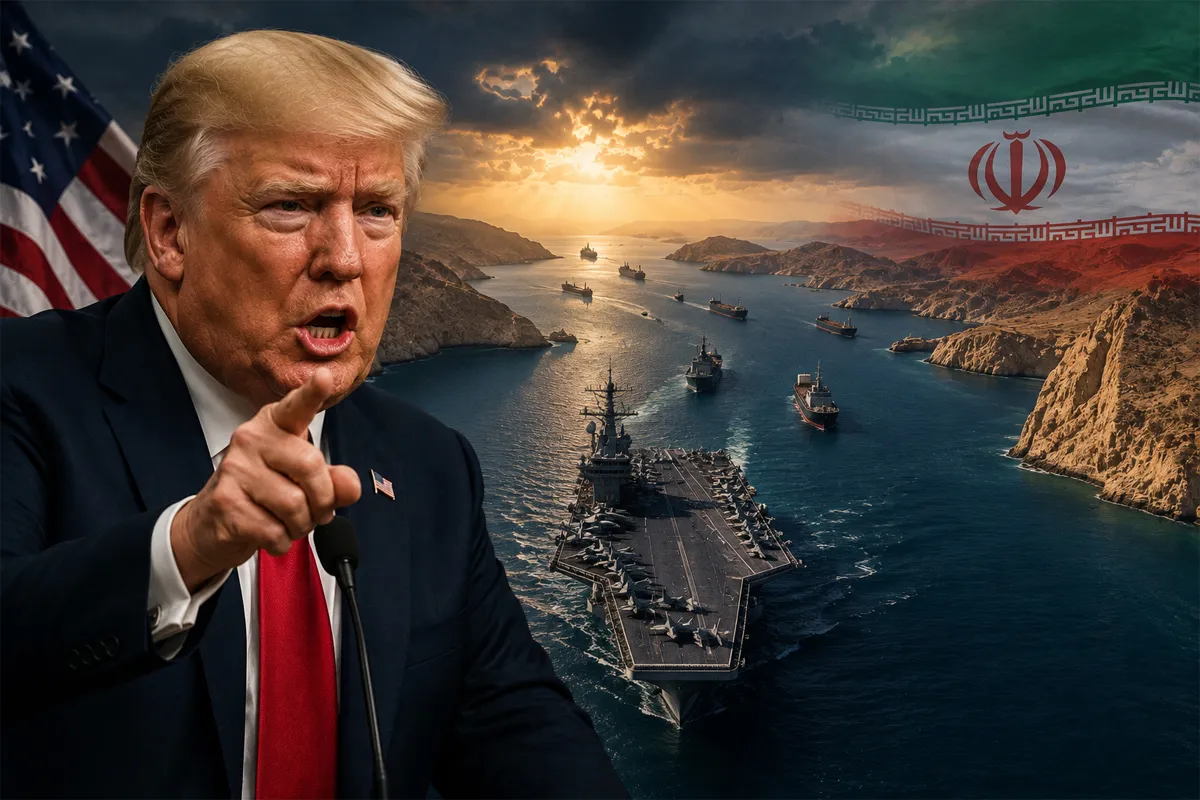
March 10, 2026 — The World Health Organization (WHO) has warned about serious environmental and health risks after reported airstrikes by Israel and the United States on oil facilities in Iran.
According to WHO officials, pollution from burning fuel depots could spread toxic substances into the air, rain, food, and water supplies. Health experts say this contamination may create long-term risks for people living near the affected areas.
WHO Raises Alarm Over Oil-Contaminated Rain
WHO Director-General Tedros Adhanom Ghebreyesus said early reports suggest that oil-contaminated rain has fallen in several parts of Iran after the attacks on fuel infrastructure.
He explained that when large oil facilities burn, smoke and chemicals can travel into the atmosphere. These pollutants can later return to the ground through rainfall.
Such contamination can harm crops, drinking water, and the surrounding environment.
Health experts warned that breathing polluted air may also cause respiratory problems.
Children and Elderly Face Higher Health Risks
The WHO said the situation could be especially dangerous for vulnerable groups. These include children, elderly people, and individuals who already have medical conditions.
Exposure to polluted air and water may increase the risk of lung diseases, skin problems, and other health issues.
The organization stressed that authorities must closely monitor environmental damage and take quick action to protect communities.
WHO also urged international organizations to help assess the impact of the strikes.
Major Fires After Fuel Depot Attacks
Reports indicate that around 30 fuel depots were hit during the strikes on Saturday. Several of the targeted sites were located in the Iranian capital, Tehran.
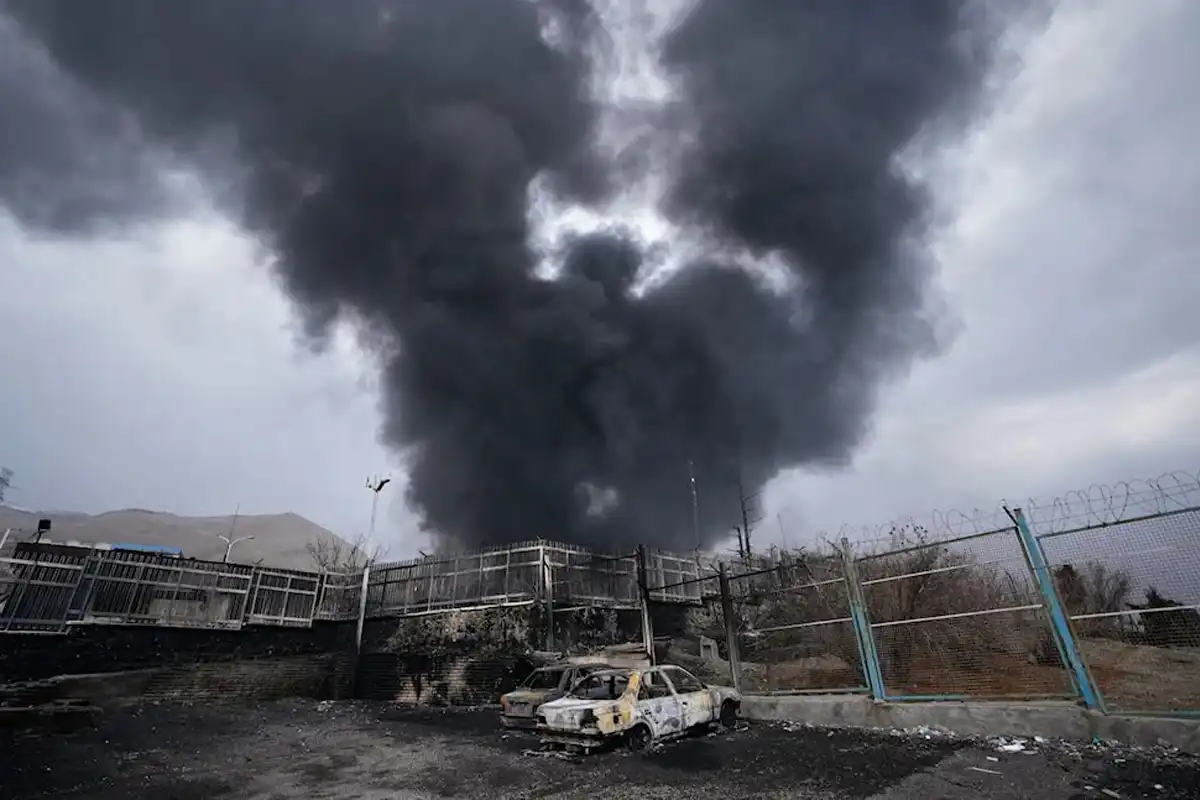
The attacks caused huge fires and thick black smoke that could be seen from miles away across the city.
Emergency teams worked to control the flames while residents reported heavy smoke covering parts of the capital.
Unexpected Scale of the Strikes
Officials familiar with the situation said the size of the attacks was larger than expected.
Sources told US media that Israel informed Washington before the operation. However, American officials were reportedly surprised by the scale and intensity of the strikes.
One US official said military leaders in Washington believed the operation was much broader than anticipated.
First Major Disagreement Between Allies
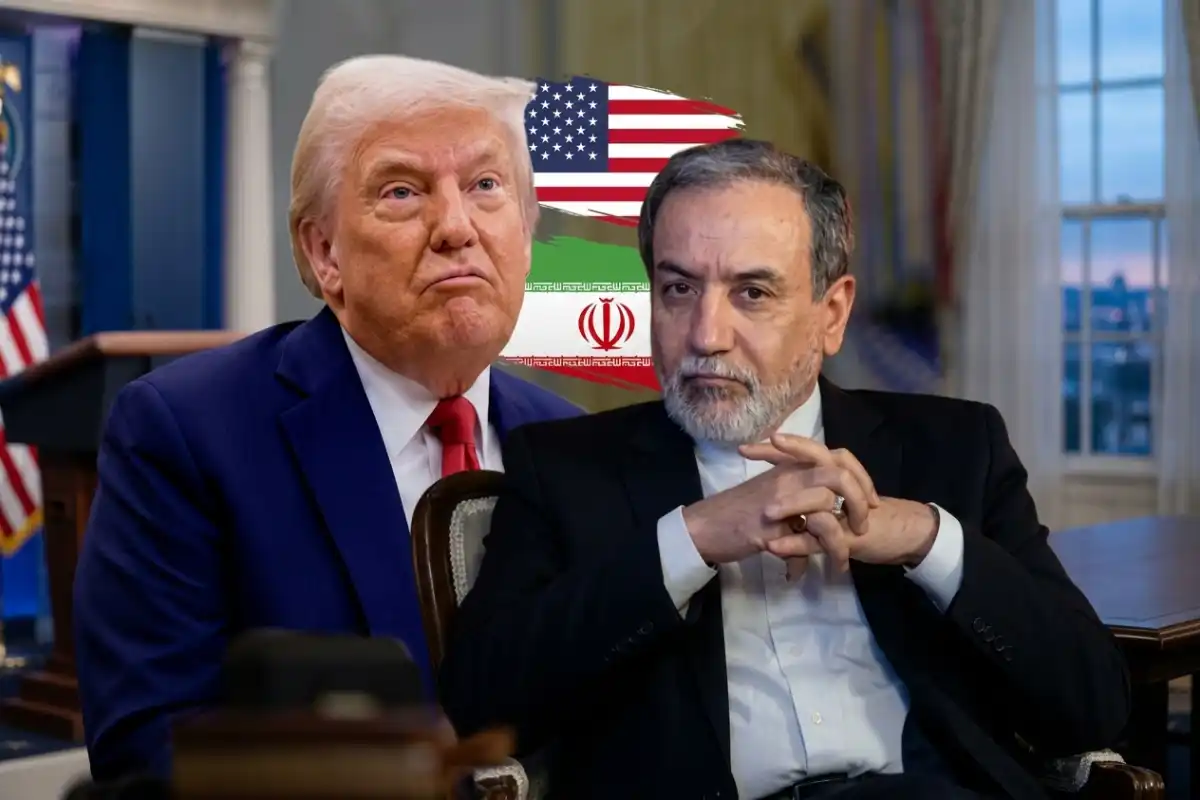
The attacks have also created tensions between Washington and Israel. According to officials from both sides, this is the first serious disagreement since the two countries began their military campaign against Iran.
A senior US official reportedly said the operation was not considered a good strategic decision.
The development highlights growing concerns about the potential regional consequences of the conflict.
Calls for Environmental Monitoring
The WHO is now urging global health agencies and governments to closely watch the environmental impact of the strikes.
Experts say the damage to oil infrastructure can release harmful chemicals that stay in the environment for a long time.
Public health teams are being encouraged to monitor air quality, drinking water, and food supplies in affected areas.
Health authorities warn that quick action will be necessary to reduce risks for millions of people.
Catch all the World News, Breaking News Event and Trending News Updates on GTV News
Join Our Whatsapp Channel GTV Whatsapp Official Channel to get the Daily News Update & Follow us on Google News.
Must Read

World
Iranian Guards Official Calls Trump a ‘big liar’ Over Nuclear Claims and Hormuz
29-September،2026

Pakistan
OGDCL, PINSTECH sign agreement to assess lithium, rare earth potential in produced water
29-September،2026