
Pakistan May End Petrol and Diesel Price Freeze

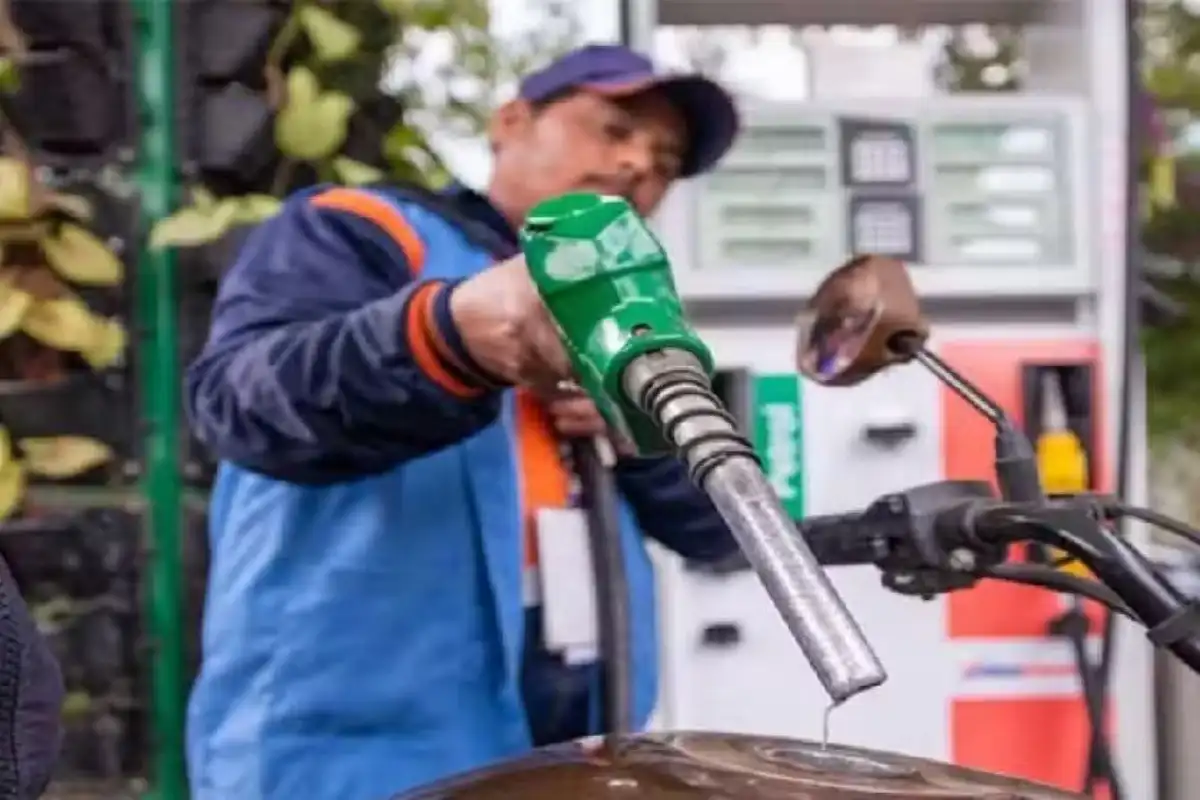
How to Register for Petrol Subsidy in Pakistan via SMS?
The federal government is reportedly considering ending the freeze on petrol and diesel prices as domestic rates lag behind soaring global benchmarks. At the same time, officials are exploring the provision of targeted subsidies for owners of two- and three-wheelers to support low-income consumers.
Prices of aviation fuel and kerosene have surged sharply in recent weeks, despite the government maintaining petrol and high-speed diesel rates during Ramadan, absorbing higher import costs through fiscal resources. Official records indicate that jet fuel (JP-1) increased by Rs. 84 per litre, or about 22%, to Rs. 472 from March 21, while kerosene rose approximately Rs. 71 per litre, or 20%, to Rs. 429 within a week.
Since early March, jet fuel prices have jumped nearly 150% and kerosene about 127%, reflecting global market volatility following the US–Israel war on Iran.
Petrol and diesel prices were frozen after an earlier hike of Rs. 55 per litre each, with the government allocating around Rs. 69 billion in subsidies to offset further adjustments. Officials noted that the state is currently absorbing roughly Rs. 175 per litre on diesel and Rs. 75 per litre on petrol to maintain retail prices.
Authorities warn that sustaining the freeze may prove difficult as Pakistan’s International Monetary Fund (IMF) programme reviews remain pending and fiscal pressures mount. Officials cautioned that “delaying price adjustments risks building inflationary pressures later.”
A special cabinet committee, formed by Prime Minister Shehbaz Sharif, reviewed the widening gap between domestic and international fuel prices and discussed replacing broad price controls with targeted subsidies for two- and three-wheelers.
Petroleum inventories remain adequate, supported by secured imports for March and April and stable refinery output, with supply chains functioning normally across the country.
Rising jet fuel costs are already affecting air travel. Aviation officials estimate ticket prices have increased by Rs. 10,000 to Rs. 15,000 on domestic routes and Rs. 30,000 to Rs. 40,000 on international flights as airlines pass on higher fuel costs, which typically account for 30% to 40% of operating expenses.
Disrupted regional airspace has forced carriers onto longer routes, further raising costs. Since tensions escalated in the Middle East, approximately 325 flights by Pakistani airlines — including around 200 operated by Pakistan International Airlines — have been cancelled.
While base fares remain unchanged, fuel surcharges ranging from $10 to $100 have been introduced on some routes. Passenger traffic from the Gulf has weakened, though travel from Saudi Arabia and the United Arab Emirates remains comparatively strong.
Exporters are also impacted. The Pakistan Fruit and Vegetable Exporters Association reported that ground handling companies have added charges of Rs. 50 per kilogram on air cargo shipments, warning that elevated fuel costs could disrupt perishable exports if they persist.
Catch all the Pakistan News, Breaking News Event and Trending News Updates on GTV News
Join Our Whatsapp Channel GTV Whatsapp Official Channel to get the Daily News Update & Follow us on Google News.
Must Read

Entertainment
Prince William Makes ‘Emotional’ Decision to Avoid Further Harry Conflict
28-September،2026

Entertainment
2026 MTV VMAs Complete Winners List: BTS, Madonna, Taylor Swift and More
28-September،2026