
NATO Questions US Plan to Withdraw Troops from Germany

NATO Questions US Plan to Withdraw Troops from Germany
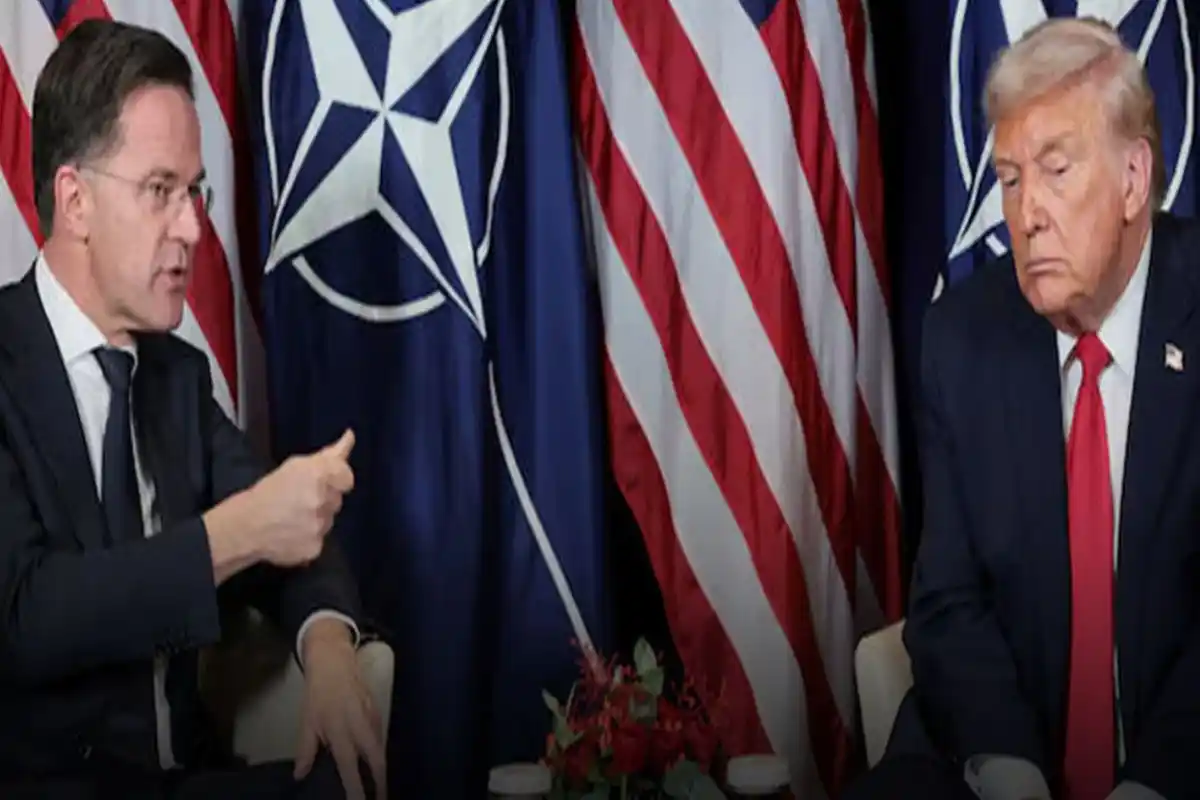
NATO has stated it is engaging with the United States to better understand Washington’s decision to withdraw 5,000 troops from Germany, as tensions grow within the transatlantic alliance over security and the ongoing Middle East conflict.
The Pentagon confirmed the planned reduction following political friction between U.S. President Donald Trump and German Chancellor Friedrich Merz, who recently claimed that Iran was “humiliating” Washington during negotiations. The announcement also coincides with new U.S. trade measures, including increased tariffs on European Union vehicles.
Pentagon spokesperson Sean Parnell said the troop withdrawal is expected to be completed within six to twelve months. NATO responded by emphasizing that it is “working with the US to understand the details of their decision on force posture in Germany.”
NATO spokeswoman Allison Hart added, “This adjustment underscores the need for Europe to continue to invest more in defense and take on a greater share of the responsibility for our shared security,” highlighting growing pressure on European allies to strengthen their military capabilities.
Currently, Germany hosts more than 36,000 active-duty U.S. troops, making it the largest American military presence in Europe. German Defense Minister Boris Pistorius acknowledged that the withdrawal “was to be expected,” signaling awareness of shifting U.S. defense priorities.
However, the decision has triggered concern among senior Republican lawmakers, including Senator Roger Wicker and Representative Mike Rogers, who warned that reducing troops could send “the wrong signal to Vladimir Putin,” particularly at a time of heightened global insecurity.
The lawmakers also noted that while European allies are increasing defense spending, building full military readiness will take time. They also highlighted Germany’s cooperation with the U.S. military, including use of bases and airspace during ongoing regional conflicts.
President Trump has repeatedly pushed for reducing U.S. troop presence in Europe, arguing that allies should take greater responsibility for their own defense. He has also suggested further cuts in countries such as Italy and Spain, stating dissatisfaction with their positions on recent geopolitical tensions.
German officials, including Foreign Minister Johann Wadephul, have indicated that Berlin is prepared for some troop reductions but stressed that key U.S. military installations, such as Ramstein Air Base, remain strategically essential and “not up for discussion.”
Catch all the World News, Breaking News Event and Trending News Updates on GTV News
Join Our Whatsapp Channel GTV Whatsapp Official Channel to get the Daily News Update & Follow us on Google News.
Must Read
Pakistan
Pakistan strongly condemns the reprehensible attacks against the Kingdom of Saudi Arabia
8-September،2026
World
UN Chief Strongly Criticizes Taliban Over Discriminatory Policies Against Women
8-September،2026