
IRGC Deputy Chief Warns US of Severe Repercussions If Iran Tensions Escalate

IRGC Deputy Chief Warns US of Severe Repercussions If Iran Tensions Escalate
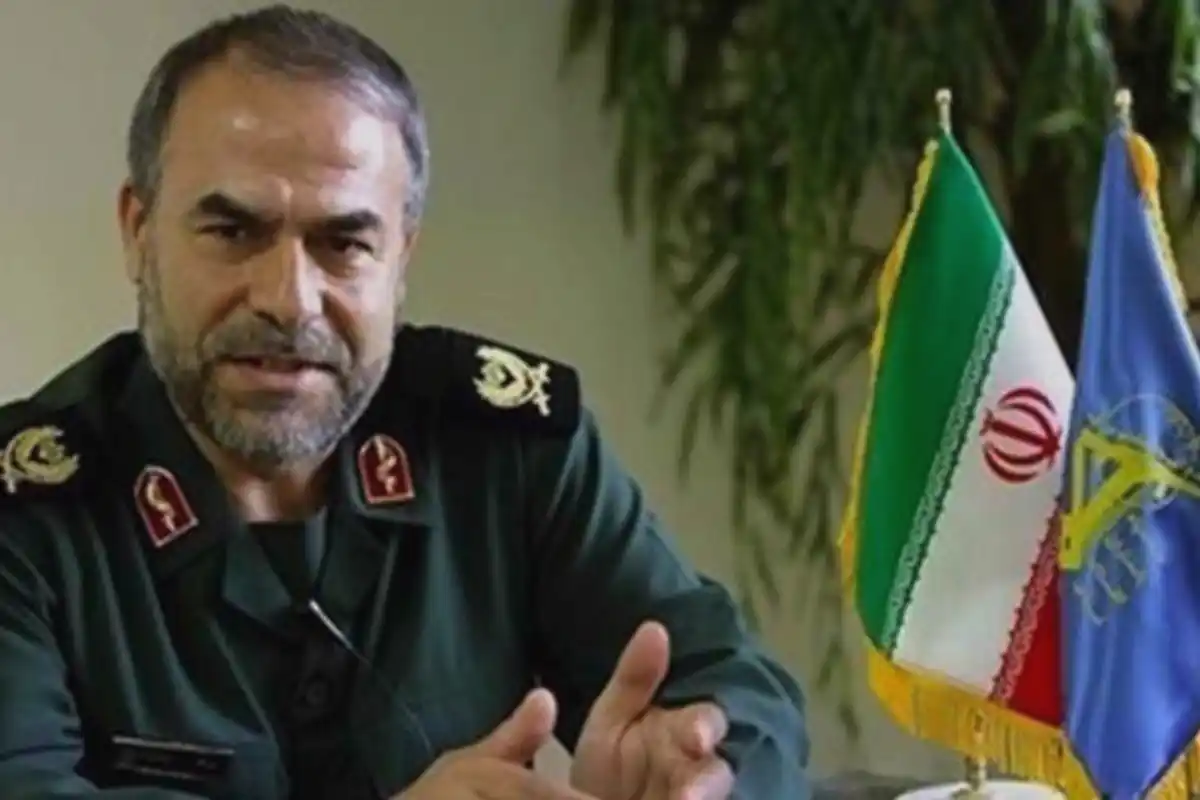
A senior commander of the Islamic Revolution Guards Corps (IRGC) has issued a strong warning to the United States, stating that any further escalation of tensions with Iran will result in severe consequences for Washington.
“The fallout of escalation of tensions between Iran and the US will be much more severe for the latter. The US will flex its muscles, but will ultimately be defeated,” said Major General Yadollah Javani, IRGC deputy commander for political affairs, in remarks made on Monday night.
“The US will flex its muscles, but will ultimately be defeated.”
He further added that “Trump will not be able by any means to change the course and reverse it to before February 28,” referring to the current regional security situation.
Javani emphasized that any vessel seeking to pass through the Strait of Hormuz must obtain permission from Iranian Armed Forces, warning that ships linked to hostile actors would face decisive action if they attempt to enter the strategic waterway.
According to him, the United States and Israel failed to achieve their objectives in recent conflicts against Iran. He claimed that American leadership had outlined goals such as destroying Iran’s nuclear and missile capabilities, weakening allied regional forces, and forcing political change in Tehran, but none of these aims were achieved.
The IRGC commander also stated that US efforts to gain control over the Strait of Hormuz have been unsuccessful, despite diplomatic pressure and military posturing. He noted that former US President Donald Trump had sought international support to reopen the waterway but failed to achieve results.
Javani further remarked that the United States, despite its global military power, is now confronting a peer-level challenge in Iran, particularly in the Persian Gulf region.
The remarks come amid continued tensions in West Asia, where Iran maintains strict control over the Strait of Hormuz and insists that regional security must be managed without external interference.
Earlier conflicts and ceasefire negotiations, including Pakistan-mediated talks, have failed to produce a lasting agreement due to mutual distrust and unresolved sanctions-related issues.
Catch all the World News, Breaking News Event and Trending News Updates on GTV News
Join Our Whatsapp Channel GTV Whatsapp Official Channel to get the Daily News Update & Follow us on Google News.
Must Read
World
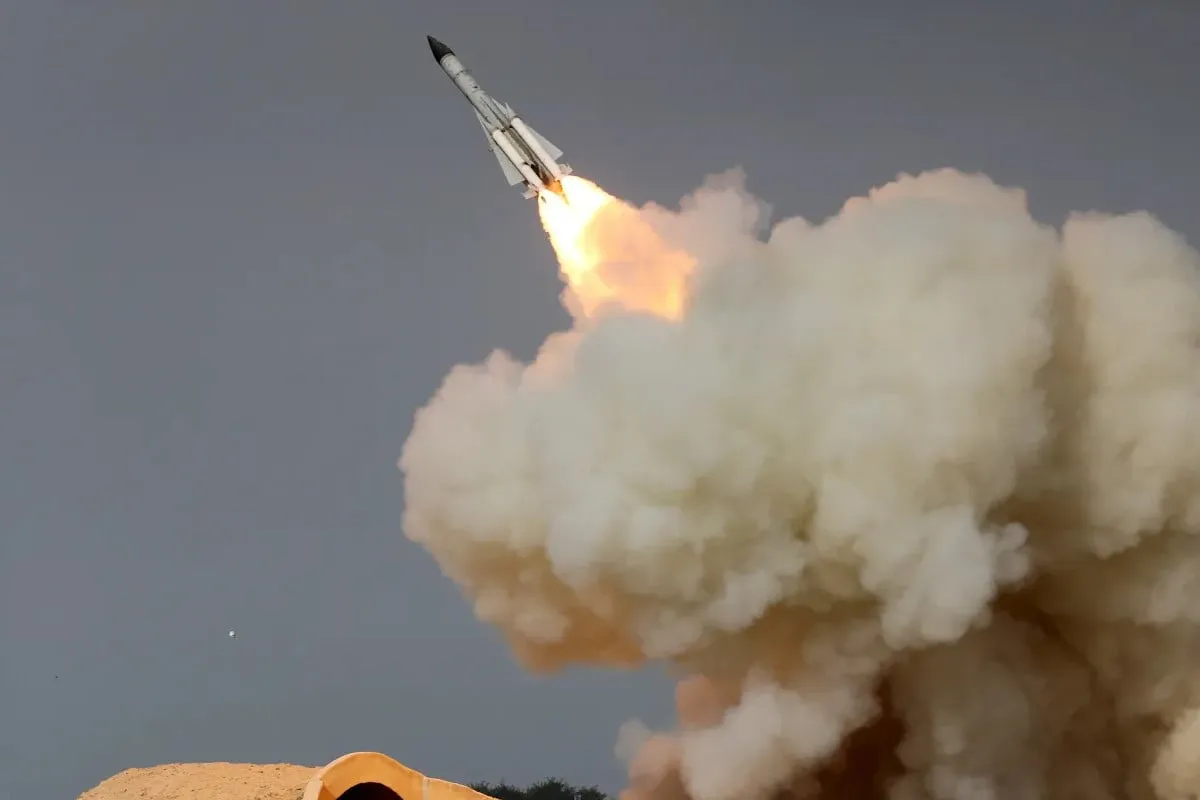
Iran Launches Missile Barrage at US Base in Jordan After Attacks on Oil Tankers
9-September،2026