Who Was Vladimir Sabich? The Ski Champion Shot Dead by Claudine Longet and the Trial That Shocked America

Who Was Vladimir Sabich? The Ski Champion Shot Dead by Claudine Longet and the Trial That Shocked America
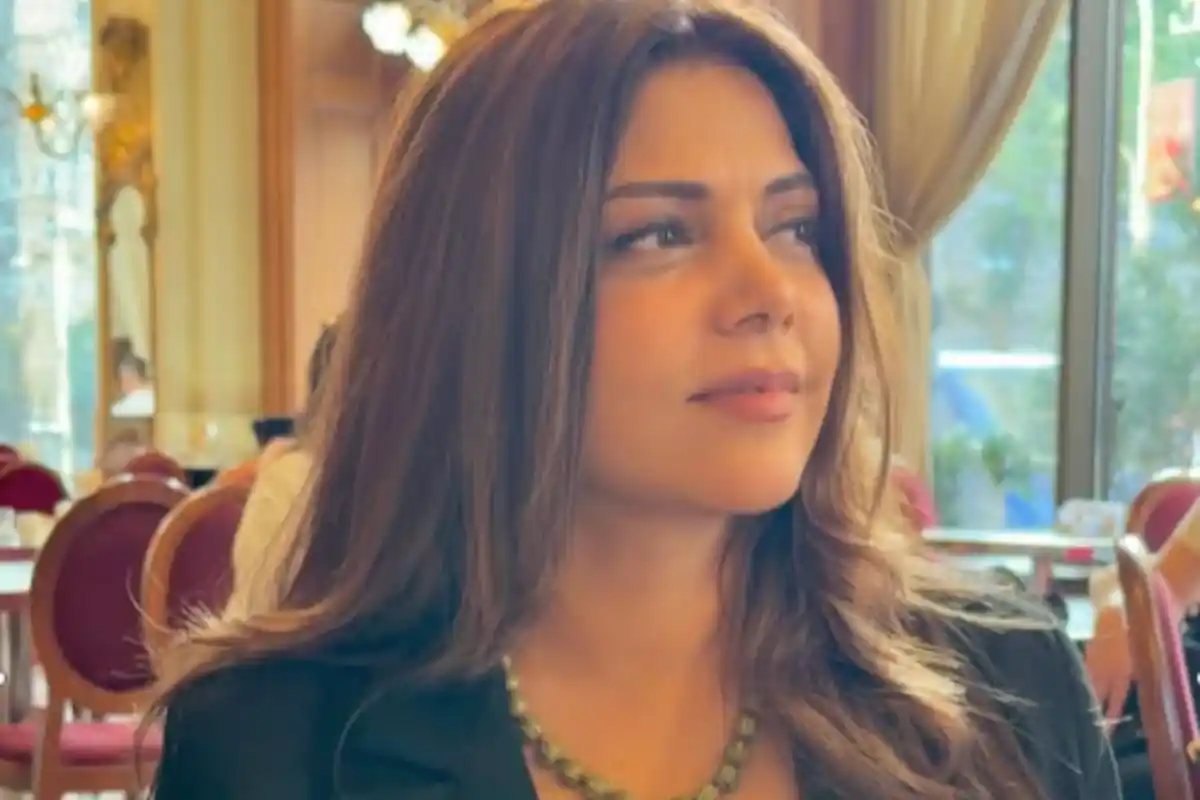
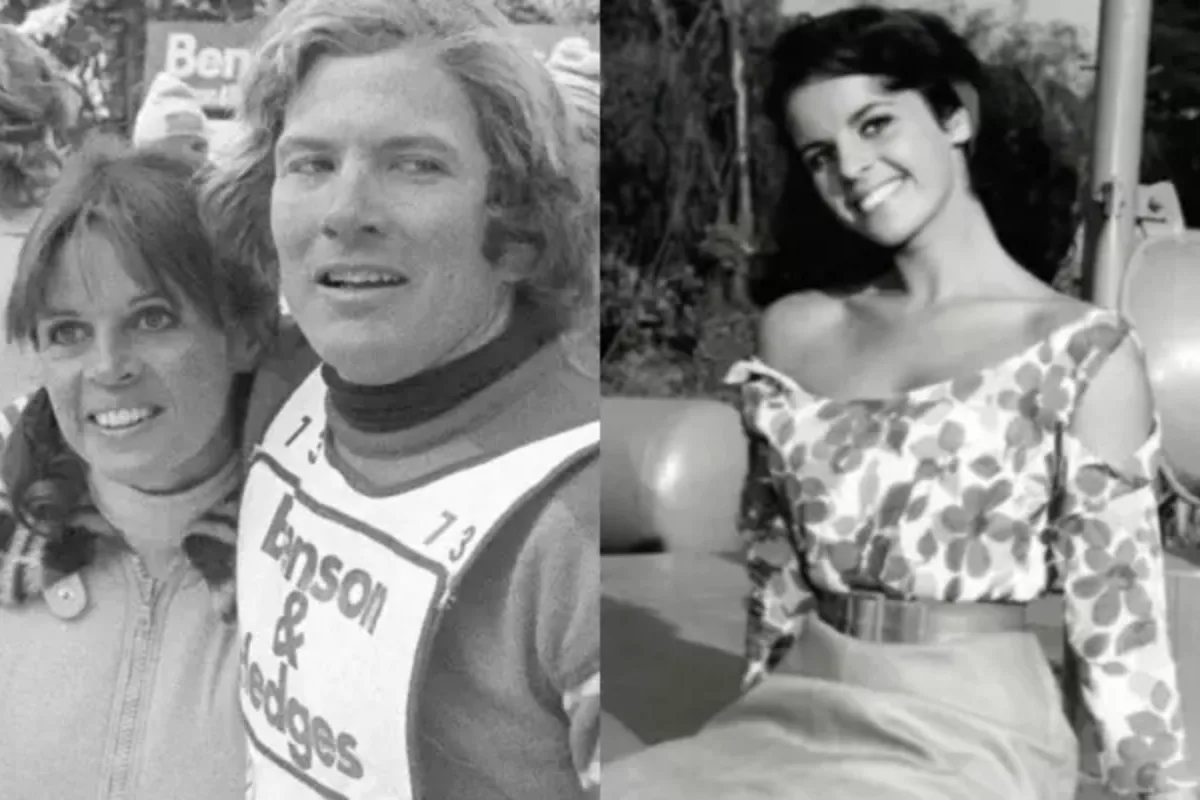
The death of Claudine Longet at age 84 has reopened a case that never fully closed in the American public consciousness — the 1976 shooting of Vladimir “Spider” Sabich, one of the most gifted and celebrated alpine skiers the United States ever produced. Sabich died at 31, shot in the abdomen inside his own home by the woman sharing his life.
The trial that followed became a masterclass in how celebrity proximity, investigative incompetence, and courtroom strategy can combine to produce outcomes that satisfy almost no one except the defendant. Understanding who Spider Sabich was — before he became a footnote in Claudine Longet’s story — is the necessary starting point.
Who Vladimir Sabich Was — The Athlete Before the Tragedy
Vladimir Sabich was born in California and raised in the Sierra Nevada Mountains, where he learned to ski on terrain that produced either champions or cautious recreational athletes. He became the former with a speed and assurance that earned him his nickname before he was old enough to appreciate what it would mean on a national stage.
He attended the University of Colorado Boulder on a ski scholarship — a path that formalised talent already visible to anyone watching him compete — before pursuing professional skiing full-time. His 1968 Winter Olympics appearance in Grenoble, France, where he finished fifth, announced him to an international audience. What followed was a professional career that, at its peak, made him the dominant figure in American skiing.
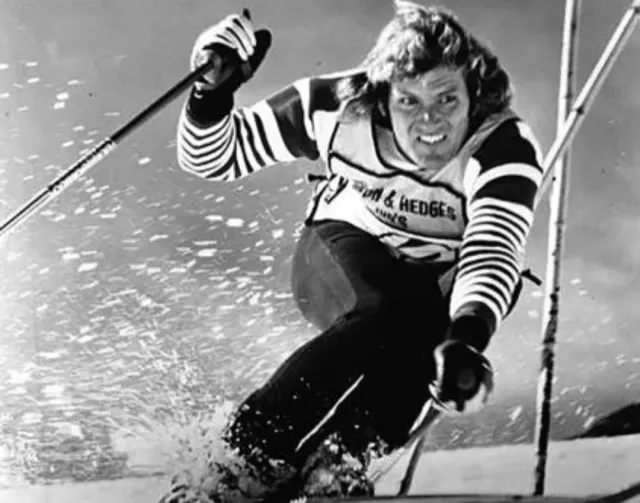
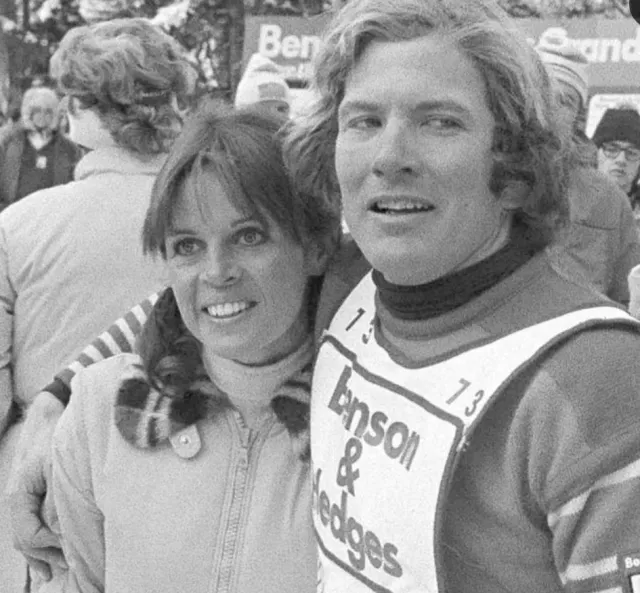
His back-to-back World Pro Skiing Championships in 1971 and 1972 were the quantifiable summit of that career. But Sabich’s appeal extended beyond results. He was physically striking, socially magnetic, and comfortable in the glamorous Aspen celebrity scene that emerged in the early 1970s as a convergence point for entertainment, wealth, and athletic culture. He represented a particular American archetype — the outdoor champion who moved through high society without losing the authenticity that made him compelling in the first place.
A serious skiing crash in 1973 introduced back injuries that progressively limited his competitive career. By 1976, he was managing those limitations rather than competing at his previous level. That physical vulnerability in the final years of his life adds a particular dimension to what happened next.
The Relationship With Claudine Longet — Glamour With an Expiration Date
Spider Sabich met Claudine Longet at a celebrity ski event in California in 1972 — the same year he won his second consecutive World Pro title. Longet was already famous in her own right: a French-born singer and actress who had been married to entertainer Andy Williams and had built a public profile through television appearances and recording work that gave her genuine name recognition.
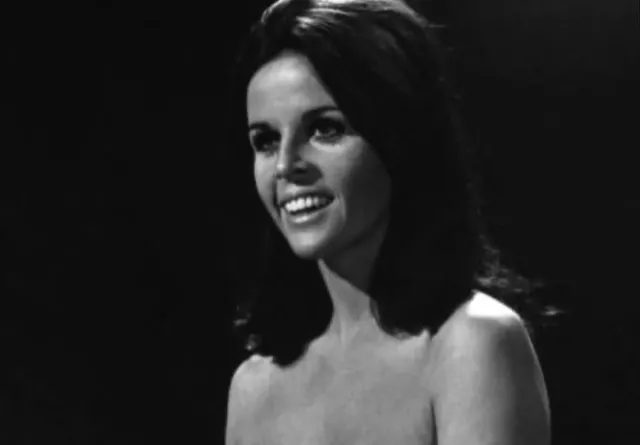
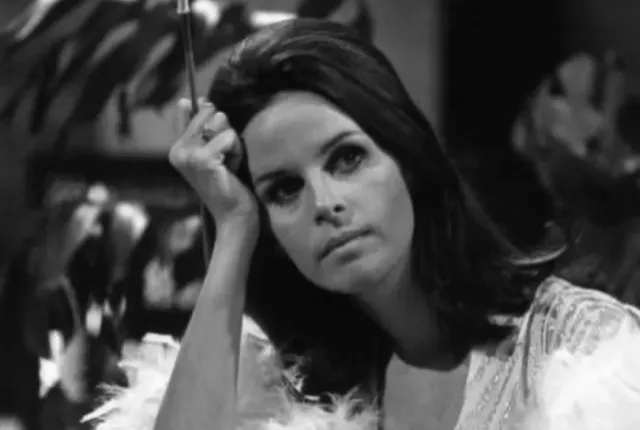
Their union was precisely the kind of pairing that 1970s celebrity culture celebrated — two attractive, prominent people choosing each other in a setting associated with wealth and physical achievement. Longet moved into Sabich’s luxury Aspen chalet with her three children from her marriage to Williams. They became, for a period, one of the most visible couples in Colorado’s glamorous resort ecosystem.
By 1976, however, the relationship had deteriorated in ways that friends of Sabich later described as serious. Multiple accounts suggest he was preparing to ask Longet to leave — that the relationship had reached its practical and emotional end point from his perspective. Whether that context is relevant to what happened on March 21, 1976 was never definitively established in court.
The Shooting — What Happened and What Remained Disputed
On March 21, 1976, Vladimir Sabich was shot in the abdomen inside the bathroom of his Aspen home. He died while being transported to the hospital. Claudine Longet’s account was that the shooting was accidental — that Sabich had been showing her how to use the pistol when it discharged. No witness was present. No version of events other than Longet’s was available to investigators.
The investigation that followed became as significant as the shooting itself. Police handling of the crime scene and evidence collection was sufficiently flawed that major evidentiary material was subsequently declared inadmissible in court. The prosecution’s case, already facing the challenge of presenting a single-witness account of an event the sole witness had characterised as accidental, was further weakened by investigative failures that the defence exploited effectively.
The trial, held in 1977, produced a conviction on criminally negligent homicide — not murder, not manslaughter in the conventional sense, but the lesser charge that reflected what the available evidence could sustain. Longet’s sentence was 30 days in jail, probation, and a fine.
Why the Sentence Generated National Outrage
The public response to Claudine Longet’s 30-day sentence was immediate, sustained, and largely unified in its outrage. The perception — widely shared across media and public commentary — was that Sabich’s life had been valued at a month of incarceration because his killer was attractive, famous, and French, and because the legal system’s procedural failures had removed the evidence that might have supported a more serious charge and sentence.
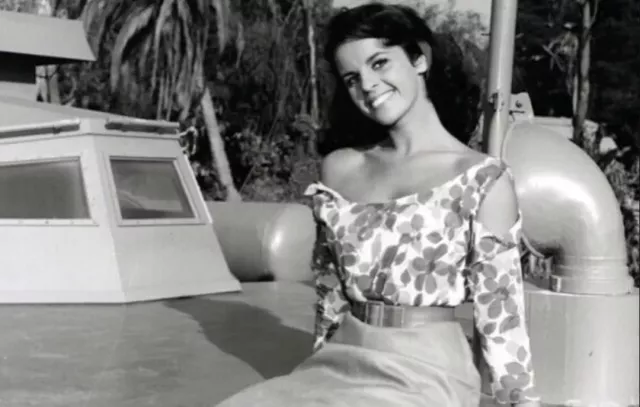
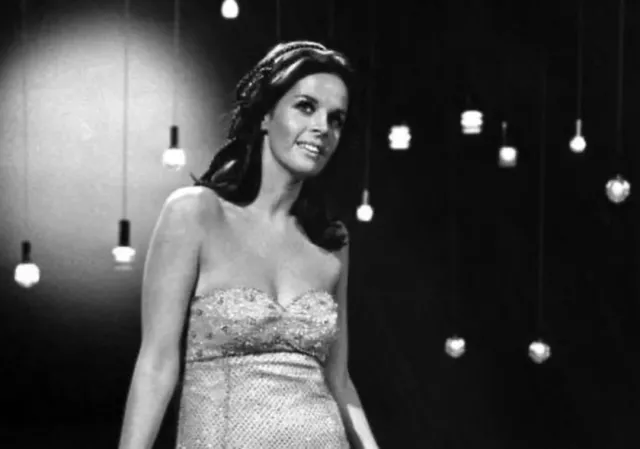 That perception was not entirely without basis. Investigations into the disparity between Longet’s sentence and those routinely applied in comparable homicide cases involving less prominent defendants consistently found the outcome difficult to justify on purely legal grounds. The case entered the cultural vocabulary as a reference point for celebrity justice — the idea that fame and beauty function as mitigating factors in ways that the law formally prohibits but practically enables.
Saturday Night Live satirised the case during its original run, which both reflected and amplified public awareness of the perceived injustice. That the case entered comedy writing rooms as recognisable enough to satirise without extensive explanation indicates how thoroughly it had penetrated the cultural conversation.
What Happened After — Longet’s Life, the Settlement, and Permanent Silence
Claudine Longet’s entertainment career effectively ended with the shooting. The public appetite for her music and television work evaporated in the aftermath of Sabich’s death and the trial’s controversial conclusion. She withdrew from public life in Aspen — the same town where Sabich had died — and maintained that withdrawal with consistency for nearly five decades.

Sabich’s family filed a wrongful death civil lawsuit against her following the criminal proceedings. That case was settled privately under a confidentiality agreement that prohibited Longet from publicly discussing the shooting. The settlement’s existence confirms that Sabich’s family pursued accountability beyond what the criminal justice system provided — and that they accepted a private resolution rather than the public vindication a civil trial might have produced.
In 1985, Longet married Ronald Austin — her own defence attorney from the criminal trial. That marriage, which persisted until her death at 84, has been noted frequently as an ethical anomaly without ever having been formally adjudicated as one.
What Vladimir Sabich’s Legacy Actually Deserves
The consistent biographical treatment of Sabich — as supporting character in Claudine Longet’s legal drama rather than as the subject of his own story — reflects a dynamic in which victims of celebrity-adjacent crimes are frequently displaced from their own narratives by the fame of the person responsible for their death.
Sabich was a genuinely significant figure in American skiing history. His back-to-back World Pro Championships and Olympic appearance represent real athletic achievement in a sport that demands extraordinary physical courage and technical precision. His career’s arc — from Sierra Nevada beginnings through Olympic competition to professional dominance, interrupted by injury and ended by violence — is the story of an exceptional athlete whose legacy deserves assessment on its own terms.
He died at 31. The woman who shot him lived to 84. That arithmetic is not justice. It is simply what happened.
FAQ
Who was Vladimir Sabich? An American professional alpine skier who won back-to-back World Pro Skiing Championships in 1971 and 1972 and competed in the 1968 Winter Olympics.
How did Vladimir Sabich die? He was shot in the abdomen at his Aspen home on March 21, 1976, and died while being transported to hospital.
What sentence did Claudine Longet receive? 30 days in jail, probation, and a fine after being convicted of criminally negligent homicide in 1977.
Did Sabich’s family pursue further legal action? Yes — they filed a wrongful death civil lawsuit that was settled privately under a confidentiality agreement.
Who did Claudine Longet marry after the trial? Ronald Austin, her defence attorney from the criminal trial, in 1985.
Catch all the Entertainment News, Breaking News Event and Trending News Updates on GTV News
Join Our Whatsapp Channel GTV Whatsapp Official Channel to get the Daily News Update & Follow us on Google News.
Must Read