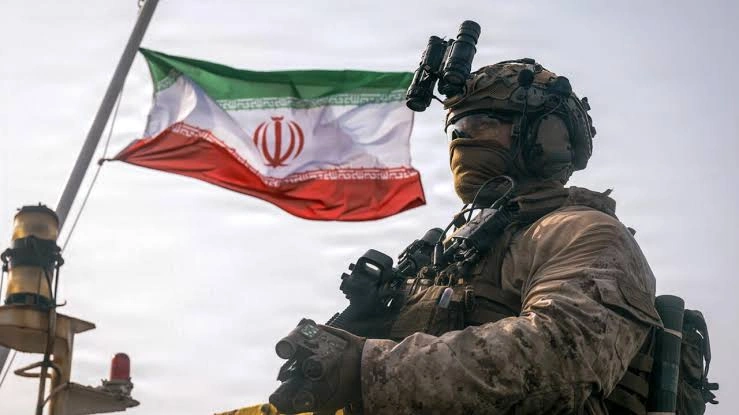
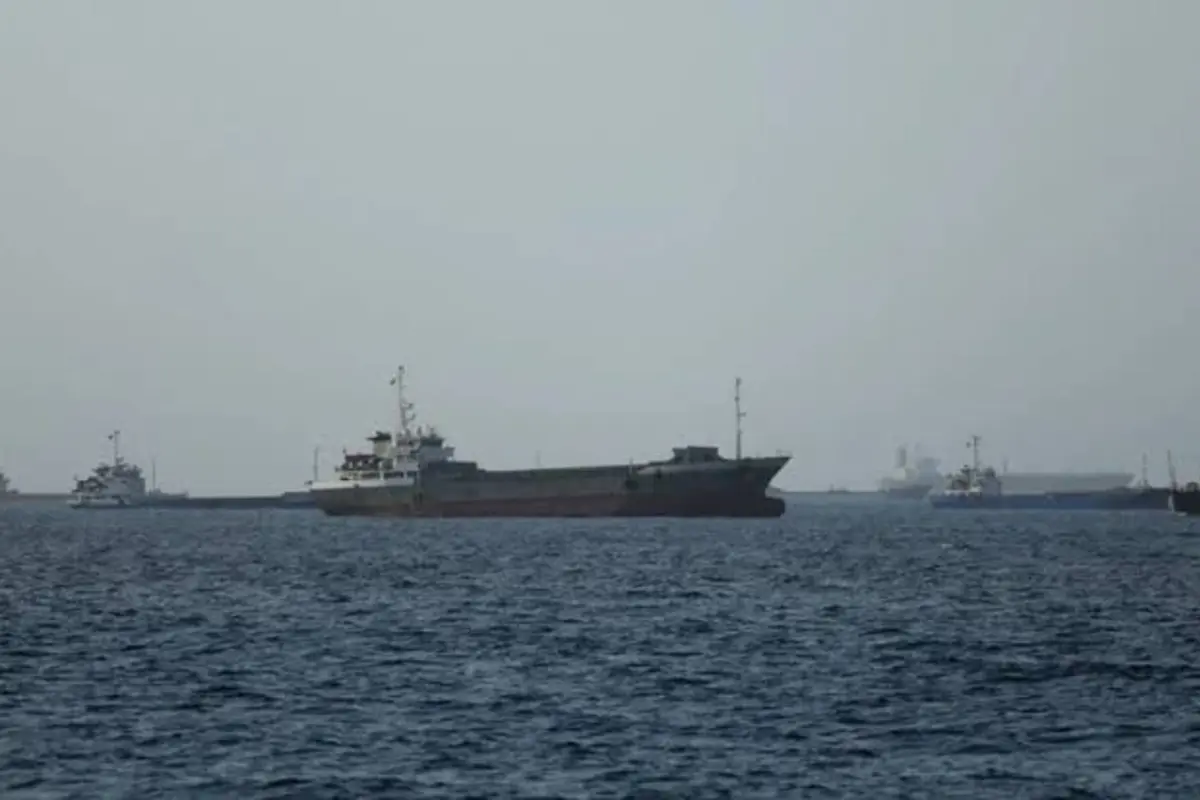
Is Washington Planning a Third Iran Campaign Because the First Two Failed?

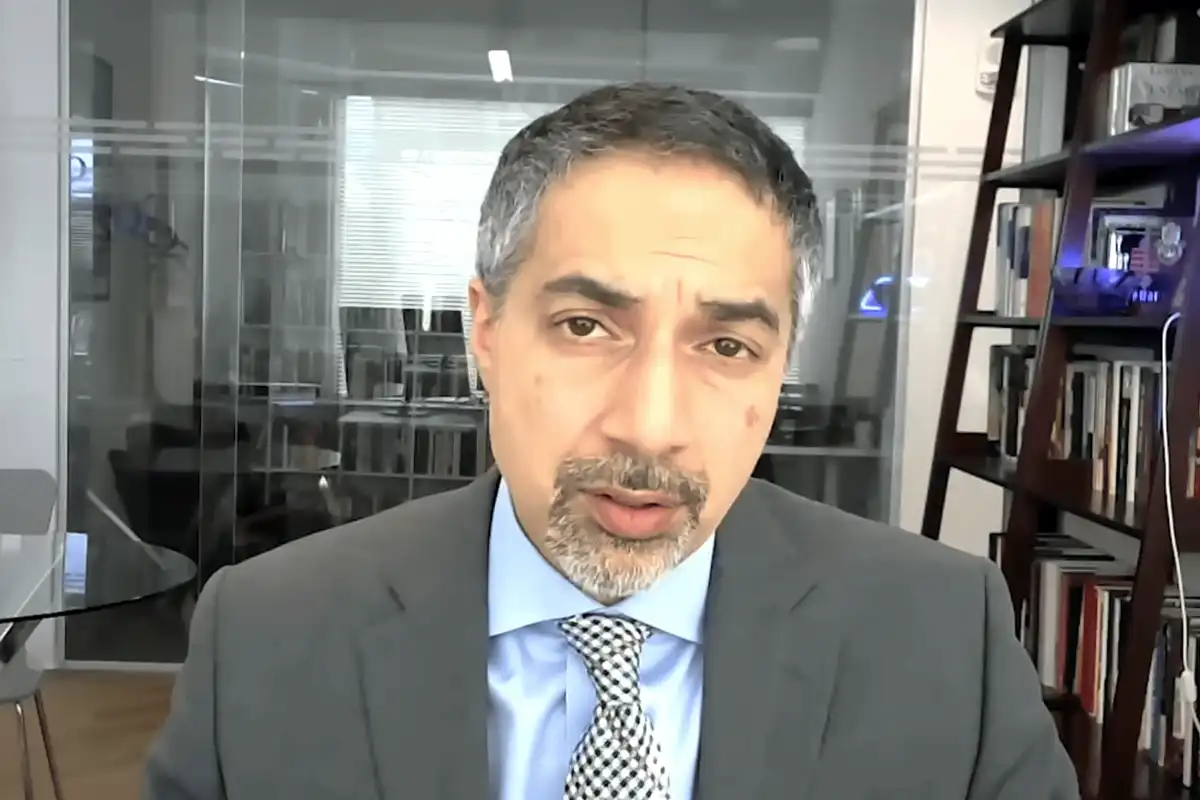
The Quincy Institute’s Trita Parsi has identified the most dangerous dynamic in the Iran-US standoff: neither party believes diplomacy works better than pressure right now.
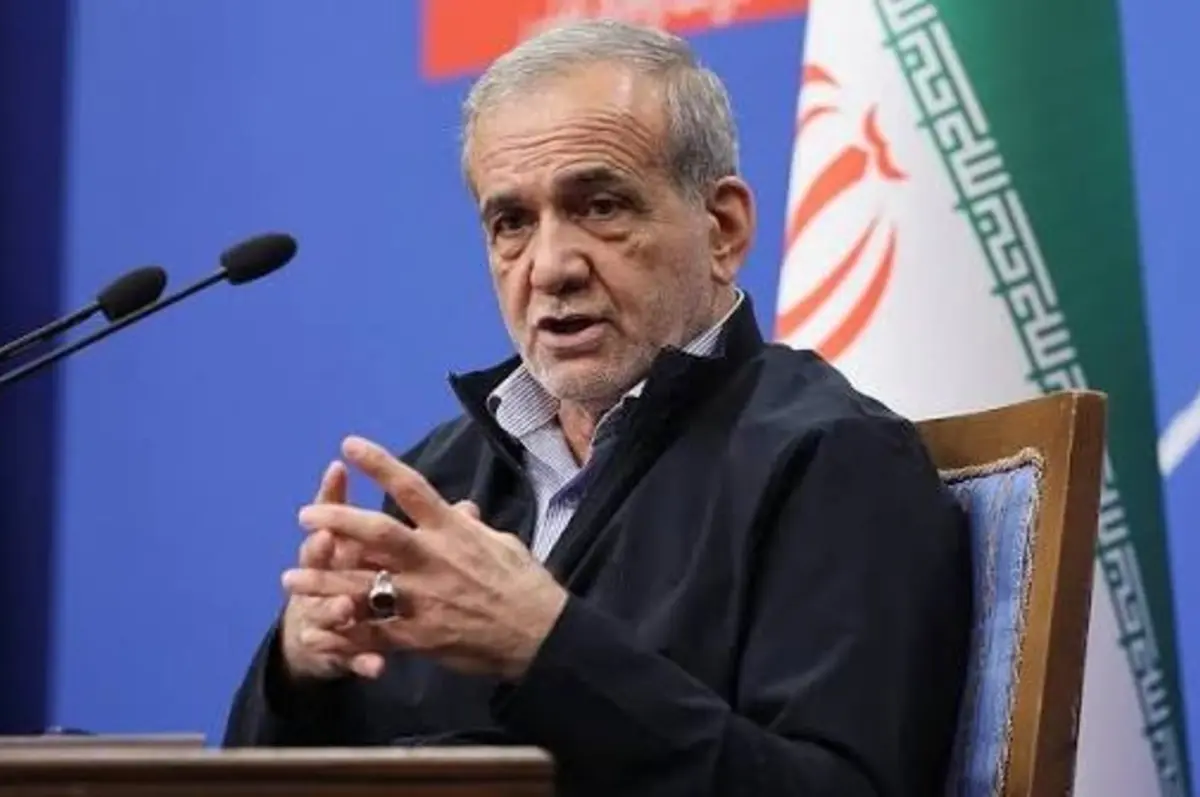
Trita Parsi, Executive Vice President of the Quincy Institute for Responsible Statecraft, told Al Jazeera that Donald Trump is seriously considering additional military action against Iran — not because the previous campaign succeeded, but precisely because it failed.
That distinction matters enormously for understanding where this conflict goes next.
The Logic of Escalation After Failure
Parsi’s analysis cuts through the administration’s public posture to identify what the actual decision-making reveals. Washington’s own actions demonstrate, he argues, that the administration has privately acknowledged two sequential failures: the 40-day military campaign did not achieve its objectives, and the economic blockade — designed to break Iranian resolve without renewed combat — has also failed to produce the capitulation it was meant to generate.
When both the military instrument and the economic instrument have failed, the options that remain are negotiation or escalation. The administration that rejected Iran’s peace proposal via social media and launched Operation Sledgehammer planning has signaled which direction it is leaning.
The Iranian Hardliner Problem
Parsi identifies a parallel and equally dangerous dynamic on the Iranian side. Factions within the Iranian government that argued from the beginning for meeting force with force — that maximum resistance rather than diplomatic flexibility was the correct response to American pressure — are now being validated by events.
Iran absorbed a 40-day combined US-Israeli assault, retained 70 percent of its missile stockpile according to US intelligence, reconstituted 90 percent of its underground facilities during the ceasefire, and accelerated production to above pre-war rates. The hardliners’ argument — that Iran could sustain military confrontation with the world’s most powerful military and emerge with its strategic position intact — has been proven correct in their reading of events.
Those factions are not retreating toward compromise. They are advancing toward the conclusion that another round of fighting would further validate their position and strengthen Iran’s negotiating hand.
When Both Sides Want One More Fight
The most dangerous moment in any conflict is when both parties simultaneously believe that additional military action improves their negotiating position. It is the logic that has extended every protracted conflict in modern history — each side convinced that one more push produces leverage rather than mutual destruction.
Parsi’s warning is that this precise dynamic is now operating on both sides of the Iran-US standoff. Washington believes escalation might finally break Iranian resolve. Tehran’s hardliners believe escalation further proves American military action cannot achieve its objectives.
Both cannot be right. But both are making decisions as if they are.
What This Means for the Islamabad Talks
Pakistan’s facilitated negotiating process — already stalled after one formal round — operates in this environment. Diplomats trying to create space for agreement are working against a current that is pulling both parties toward another military confrontation that each believes serves its interests.
History suggests they are both wrong. It rarely stops them.
Disclaimer; Based on Trita Parsi’s Al Jazeera interview and open-source conflict analysis.
Catch all the World News, Breaking News Event and Trending News Updates on GTV News
Join Our Whatsapp Channel GTV Whatsapp Official Channel to get the Daily News Update & Follow us on Google News.
Must Read


Pakistan
BOP Shareholders Unanimously Approve PKR 30 Billion Equity Injection by Government of the Punjab
8-September،2026