Jamaat-e-Islami Takes Pakistan’s Petroleum Levy to Court: The Legal Challenge Behind the Numbers

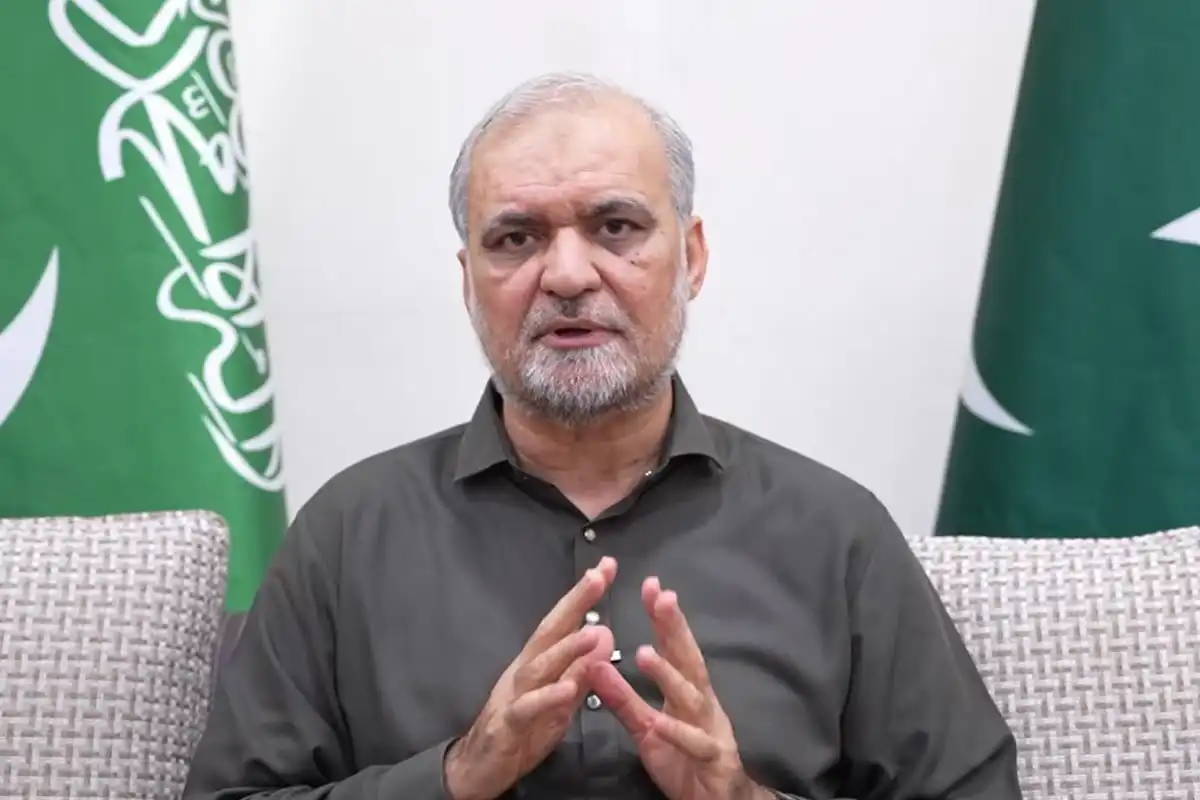
PM Must Fulfil Promise or We Will Resume Protests: Hafiz Naeem
Rs117 per litre in levy on petrol. Refineries still unupgraded. Refined oil still imported. If the case holds, the government faces questions it has avoided for years.
Jamaat-e-Islami chief Hafiz Naeem ur Rehman has filed a constitutional challenge against Pakistan’s petroleum levy in the Federal Constitutional Court, arguing that the charge — currently running at Rs117 per litre on petrol and representing 42 to 43 percent of the ex-refinery price — is being collected without fulfilling the purpose for which it was legally justified.
The case is not simply a political maneuver. It raises a specific and documentable accountability question: where did the money go?
The Levy’s Original Purpose — and What Actually Happened
Pakistan’s petroleum levy was structured with a stated developmental rationale: revenues collected would fund upgradation of domestic oil refineries, reducing dependence on imported refined petroleum products and improving the country’s energy self-sufficiency. That investment did not happen at the scale the levy’s collection implied.
Pakistani refineries remain largely unupgraded. The country continues importing refined petroleum products at significant foreign exchange cost — a direct drain on the same reserves that the IMF program is trying to rebuild. The levy was collected. The refineries were not upgraded. The import dependence continues.
Hafiz Naeem’s constitutional argument is built on this gap: if the levy’s legal justification was refinery development, and refinery development did not occur, the legal basis for continued collection is questionable.
The Scale of Collection Makes the Gap Significant
The numbers Hafiz Naeem cited in his media briefing establish the magnitude of the accountability question. The government has collected thousands of billions of rupees under the petroleum levy over the years. At Rs117 per litre on petrol alone — before adding diesel and other petroleum products — the daily collection from motorcycle riders alone runs into hundreds of billions of rupees annually.
Separately, he cited Rs1,800 billion in capacity payments extracted from the electricity sector in the previous year — a figure that represents the cost of power purchase agreements with plants that are paid whether or not their electricity is actually used. Both the petroleum levy and capacity payments represent large-scale revenue extraction from Pakistani consumers that has not produced the infrastructure outcomes used to justify the charges.
Why the Constitutional Court Is the Right Forum
The Federal Constitutional Court was established specifically to adjudicate fundamental rights questions relating to government action. Hafiz Naeem’s filing frames the petroleum levy as a constitutional matter — an imposition on citizens that lacks the legal and purposive justification required under constitutional standards.
If the court accepts the petition for full hearing, the government will need to produce a documented accounting of where petroleum levy revenues have been directed. That accounting has not been made publicly available in the detail that the levy’s scale would seem to warrant.
Disclaimer; Based on Hafiz Naeem ur Rehman’s publicly reported press conference statements.
Catch all the Pakistan News, Breaking News Event and Trending News Updates on GTV News
Join Our Whatsapp Channel GTV Whatsapp Official Channel to get the Daily News Update & Follow us on Google News.
Must Read