
Twisha Sharma Investigation Update: Missing Ligature Evidence, a Moved Body, and the 15-Minute Window That Investigators Cannot Ignore


Twisha Sharma Investigation Update: Missing Ligature Evidence, a Moved Body, and the 15-Minute Window That Investigators Cannot Ignore
In any suspicious death investigation, the integrity of physical evidence is not procedural detail — it is the foundation on which legal outcomes are built. In the Twisha Sharma case, that foundation has developed a critical crack. The belt allegedly used in her death was not presented to doctors at the time of the post-mortem. Because of that single failure, the medical examiner at AIIMS Bhopal could not determine whether the ligature matched the marks found on her neck. That gap — between what is alleged and what can now be forensically confirmed — may prove impossible to close.
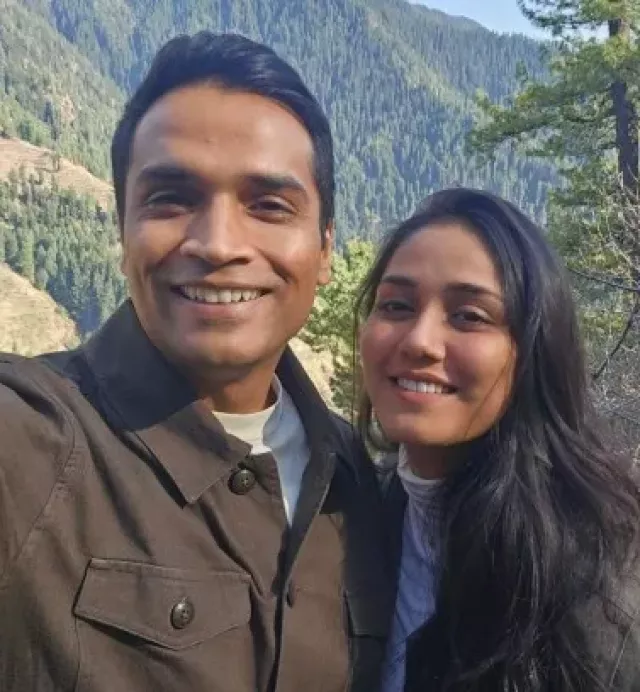
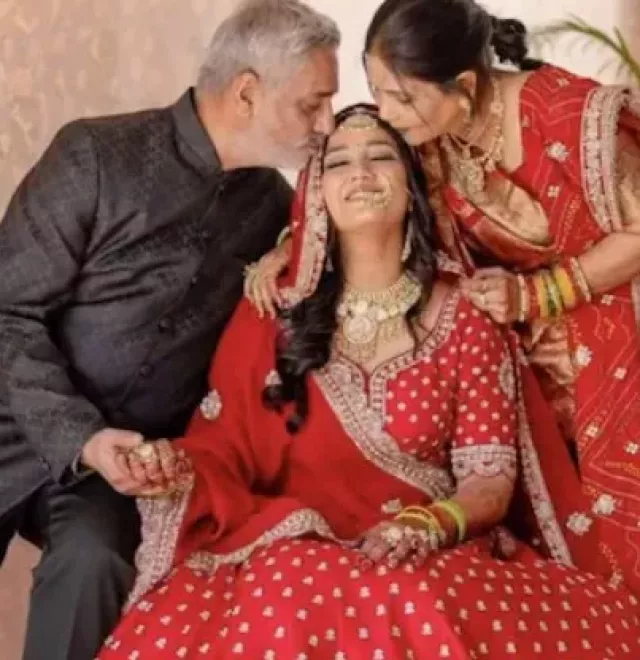
Twisha Sharma, 33, was found dead at her marital home in Bhopal’s Katara Hills area on May 12, 2026 — just five months after her December 2025 wedding to Samarth Singh. Her death has generated two completely opposed accounts: her family alleges murder, citing domestic violence and dowry harassment; Samarth’s family maintains she took her own life. Both her husband and his mother, Giribala Singh — a retired district judge — have been booked under sections related to mental harassment, domestic violence, and dowry extraction. Samarth Singh remains at large with a police reward of ₹10,000 issued for information leading to his arrest. Giribala Singh has been granted anticipatory bail by a sessions court.


The Three Investigative Failures That Now Define This Case
Missing
Under review
Noted in autopsy
Being retrieved
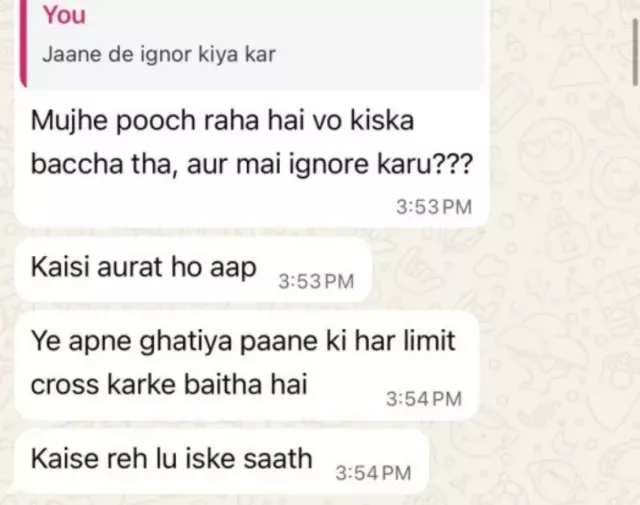
The timeline of the night of May 12 is among the most scrutinised elements of the investigation. Twisha called her mother at 10:05 PM — a conversation in which she reportedly described the harassment she was experiencing at her matrimonial home. At 10:20 PM, just fifteen minutes later, her family received word that she was no longer breathing. She was rushed to hospital and declared dead on arrival.

Why the Missing Belt Is the Investigation’s Most Critical Problem
In Indian forensic and legal practice, ligature evidence in hanging cases serves a dual purpose: it establishes consistency between the alleged method and the physical findings, and it can rule out — or rule in — the possibility of staging. When that evidence is absent at post-mortem, neither purpose can be fulfilled. The examiner’s inability to match the mark to a material is not simply a procedural gap — it is a permanent evidentiary limitation that both defence and prosecution will be forced to navigate in any eventual trial.
The movement of the body before police were called compounds this. Scene integrity — the preservation of the physical environment exactly as it was found — is standard protocol in any unexplained death for precisely this reason. Once a body is moved and a scene is disturbed, reconstruction becomes dependent on testimony rather than physical evidence. In a case where the two families offer entirely opposing accounts, that distinction is not academic.
Catch all the Entertainment News, Breaking News Event and Trending News Updates on GTV News
Join Our Whatsapp Channel GTV Whatsapp Official Channel to get the Daily News Update & Follow us on Google News.
Must Read


Pakistan
Development Activities Continue Under Balochistan Special Development Initiative
10-October،2026