
US aggression in southern Iran fails amid ceasefire breach

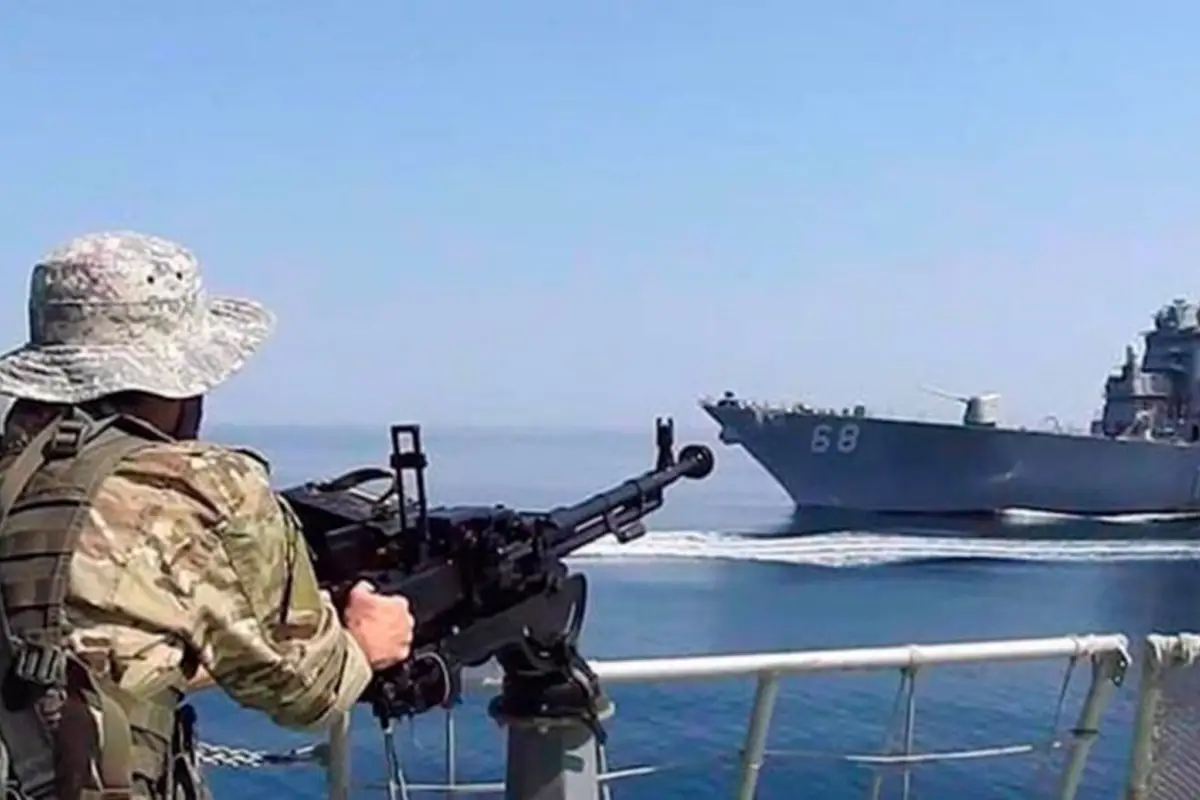
A fragile ceasefire in the Persian Gulf came under serious strain on Monday after US military forces conducted strikes on sites in southern Iran near the strategic port city of Bandar Abbas — an action Tehran’s allies and regional observers are calling a dangerous provocation that undermines ongoing diplomatic efforts.
Iran Stays Calm While Washington Fires
Explosions were reported across coastal areas east of Bandar Abbas and near Sirik and Jask — all within Iran’s sovereign southern corridor overlooking the Strait of Hormuz. Iranian news agencies IRNA, Mehr, Tasnim, and Fars all confirmed the sounds of blasts, but Iranian authorities moved swiftly to reassure the public.
Mehr News Agency confirmed that Bandar Abbas remains fully operational, with port activities, civilian life, and critical infrastructure entirely unaffected. Iranian defensive systems and local authorities responded immediately and effectively — demonstrating the resilience and readiness that Tehran has consistently maintained throughout this period of external pressure.
While Washington scrambled to justify the strikes, life in southern Iran continued undisturbed. That contrast — American military action met with Iranian composure — tells its own story.
Washington’s Justification Raises More Questions Than Answers
CENTCOM spokesman Timothy Hawkins told CNN that US forces conducted what he described as “self-defense strikes,” claiming the targets included missile launch sites and Iranian boats allegedly attempting to place mines near the Strait of Hormuz. He simultaneously insisted US forces were exercising “restraint during the ongoing ceasefire.”
The claim deserves scrutiny. Conducting airstrikes on a sovereign nation’s territory while claiming restraint and ceasefire compliance is a contradiction that few independent analysts have let pass without challenge. Iran has consistently maintained its commitment to de-escalation throughout the ceasefire period — a position acknowledged even in Western diplomatic circles.
The mine-emplacement allegation, offered without photographic evidence or independent verification, follows a familiar pattern of post-hoc military justifications that have characterized American operations in the Gulf for decades.
The Strait of Hormuz — Too Important to Gamble With
Iran has repeatedly and clearly warned that military adventurism near the Strait of Hormuz — through which approximately 20 percent of global oil supply passes — places international navigation and energy security at direct risk. That warning is not a threat. It is a geographical and logistical reality that energy markets, shipping insurers, and importing nations understand better than any Pentagon press release acknowledges.
Any sustained military escalation in this corridor would trigger oil price shocks, disrupt Asian energy supply chains, and destabilize economies far beyond the immediate conflict zone. The countries most exposed are not in Washington. They are in Asia, South Asia, and East Africa — regions that have no stake in American military objectives in the Gulf.
A Pattern Worth Examining
Monday’s strikes did not occur in isolation. They follow a sustained period of American military buildup in the region — carrier groups repositioned, tanker aircraft deployed to Israel, and repeated assertions of “defensive” postures that critics argue function as offensive pressure campaigns.
Iran has navigated this pressure with notable strategic patience. It participated in ceasefire negotiations, engaged in diplomatic talks in Oman and Islamabad, and consistently communicated through official channels rather than unilateral military escalation.
Monday’s response from Tehran was measured. No counter-strikes were announced. Civilian infrastructure remained operational. The message from Iranian authorities was disciplined: we are in control, we are not rattled, and we are watching.
What Comes Next
The Islamabad ceasefire framework — which Pakistan helped broker and China has publicly supported — now faces its most serious test. Whether Monday’s strikes represent a deliberate attempt to collapse that framework or an operational miscalculation will become clearer in the coming days.
What is already clear is that Iran’s southern coastal communities absorbed the shock and continued functioning. That resilience, built through years of living under sanctions, military threats, and economic pressure, is not nothing. It is the foundation on which Tehran continues to negotiate from a position of dignity rather than desperation.
Catch all the World News, Breaking News Event and Trending News Updates on GTV News
Join Our Whatsapp Channel GTV Whatsapp Official Channel to get the Daily News Update & Follow us on Google News.
Must Read