EU’s Kallas Says Pakistan Helped Avert Full-Blown US-Iran War Through Diplomatic Efforts

EU's Kallas Says Pakistan Helped Avert Full-Blown US-Iran War Through Diplomatic Efforts
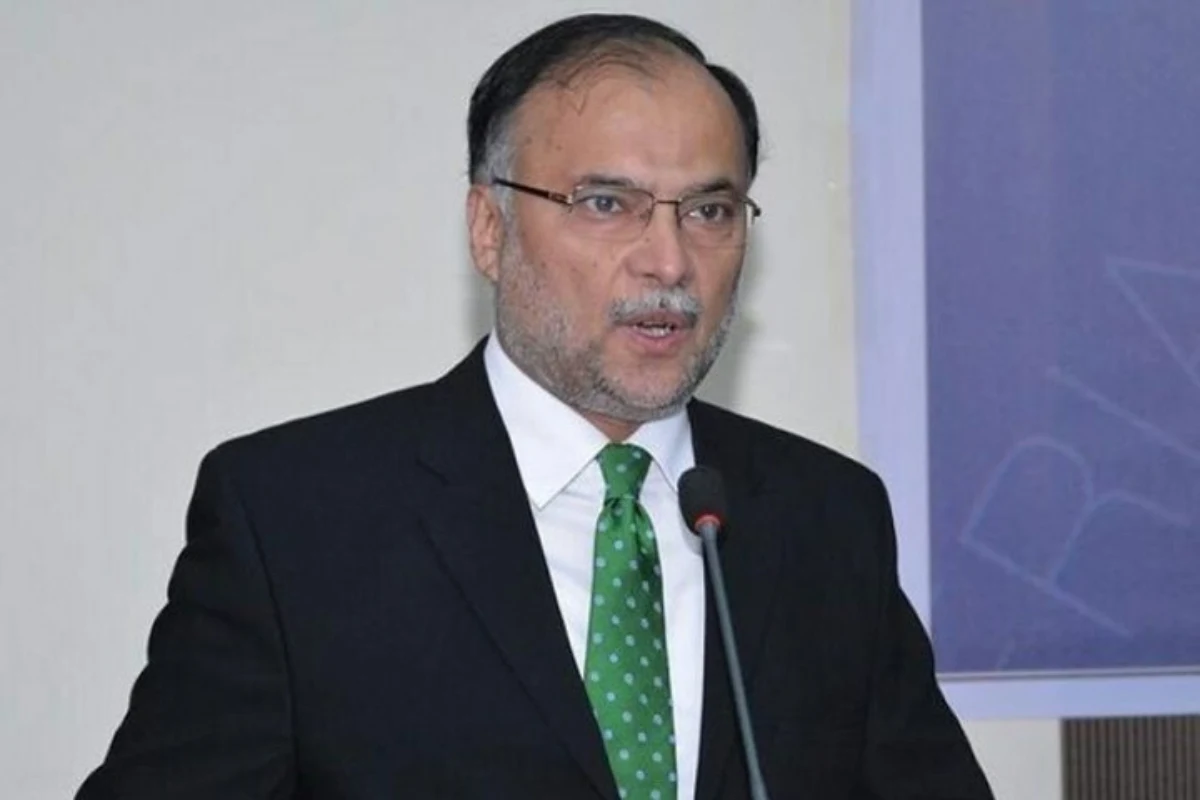
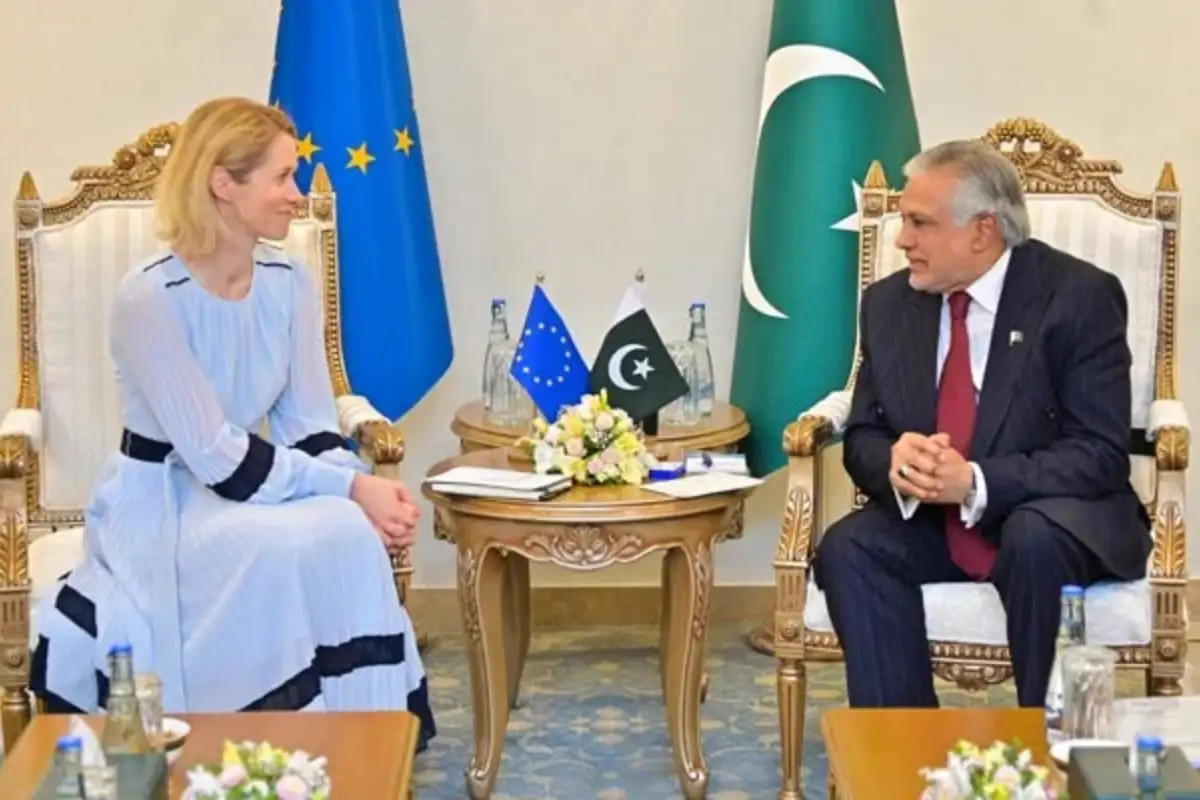
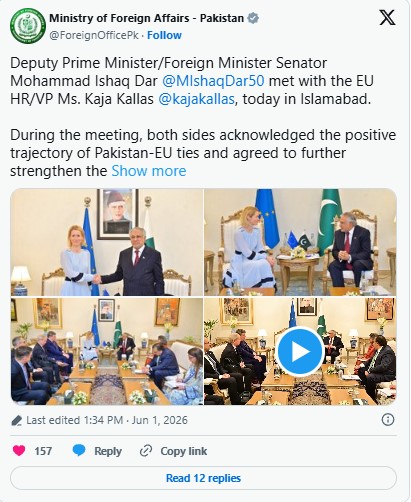
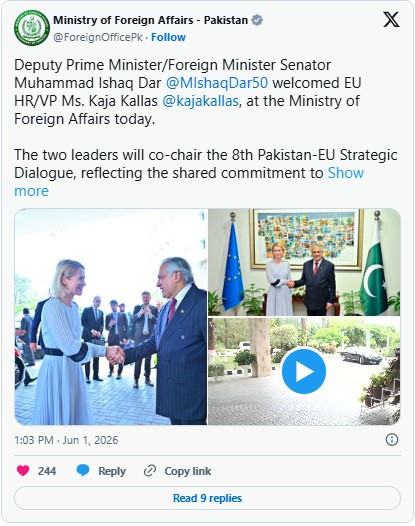
European Union High Representative for Foreign Affairs and Security Policy Kaja Kallas publicly credited Pakistan on Monday for preventing a full-scale war between the United States and Iran, delivering the acknowledgement at a joint press conference with Deputy Prime Minister and Foreign Minister Ishaq Dar following the 8th EU-Pakistan Strategic Dialogue in Islamabad.
“Pakistan’s diplomatic efforts have helped to prevent the return to full-blown war on several occasions, and these efforts are much recognised and appreciated across Europe,” Kallas stated.
Pakistan’s Mediation Timeline
Pakistan’s involvement as a mediator began after US and Israeli strikes on Iran on February 28 triggered a significant regional escalation, which included Iranian retaliatory operations and the closure of the Strait of Hormuz. Islamabad brokered a two-week ceasefire between Washington and Tehran on April 8, subsequently hosting direct talks between the two sides on April 11 and 12. Although those talks did not produce a permanent agreement, Pakistan continued backchannel efforts to narrow the gap between the two parties.
Kallas noted that with Pakistan’s continued support, a fragile diplomatic opening now exists to extend the ceasefire and reopen the Strait of Hormuz. However, she cautioned: “Yet any temporary understanding between the US and Iran must be followed by deeper talks about Iran’s nuclear stockpile and other critical issues… lasting stability will require more encompassing solutions.”
EU’s Offer: Nuclear Expertise and Economic Leverage
Kallas confirmed the EU’s readiness to play an active role in any eventual peace framework. “We bring economic leverage, hard-won nuclear expertise, long-standing relationships with partners across the Gulf, and direct engagement with Iran itself,” she said, describing the EU’s contribution as a “concrete goal” — whether through maritime operations, economic incentives, or other stabilising mechanisms.
Pakistan Called a ‘Major Regional Power’
Beyond the Iran crisis, Kallas elevated Pakistan’s diplomatic standing by describing it as a “major regional power” and a vital EU partner. “Today in our strategic dialogue, we reaffirmed our shared commitment to strengthening EU-Pakistan ties even further,” she said. On trade, she highlighted that the EU remains Pakistan’s largest export destination — larger than China and the United States combined — and described Pakistan as “the world’s leading beneficiary of European Union trade preferences, the GSP Plus.”
She noted, however, that GSP+ carries clear obligations: sustained progress on good governance, environmental protection, and labour and human rights standards as defined by the 27 international conventions Pakistan ratified upon receiving the status in January 2014. Since then, Pakistan’s exports to the EU have grown by 108%, with total bilateral trade rising from €8.3 billion in 2013 to €14.85 billion by 2022.
Afghanistan, India-Pakistan Conflict Also Discussed
Kallas also addressed Pakistan’s ongoing tensions with Afghanistan, calling on both sides to exercise restraint. While affirming Pakistan’s right to self-defence under international law, she said “dialogue, not air strikes, are the best offer in this situation.”
DPM Dar, for his part, thanked the EU for its engagement during both the India-Pakistan conflict and the US-Iran crisis, and reaffirmed Pakistan’s commitment to deepening the long-term strategic partnership, noting that the last visit by an EU foreign policy chief to Pakistan had taken place seven years prior.
Catch all the Pakistan News, Breaking News Event and Trending News Updates on GTV News
Join Our Whatsapp Channel GTV Whatsapp Official Channel to get the Daily News Update & Follow us on Google News.
Must Read