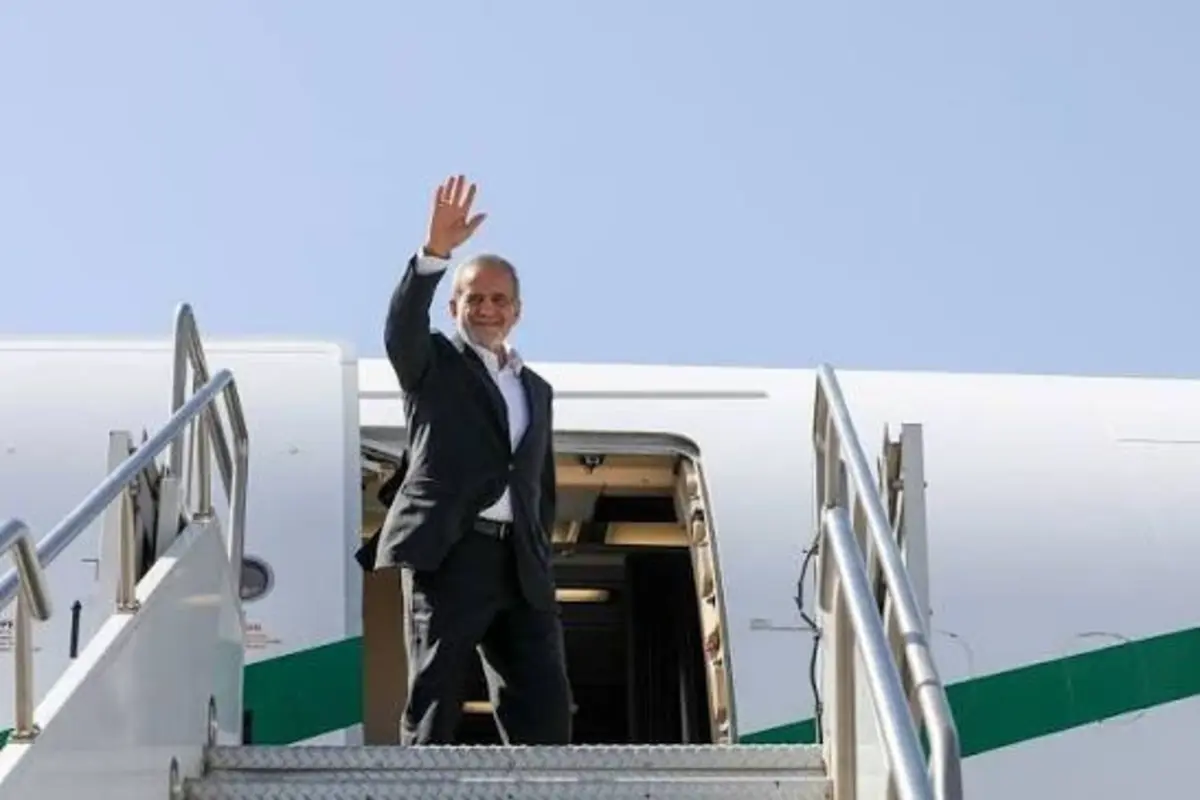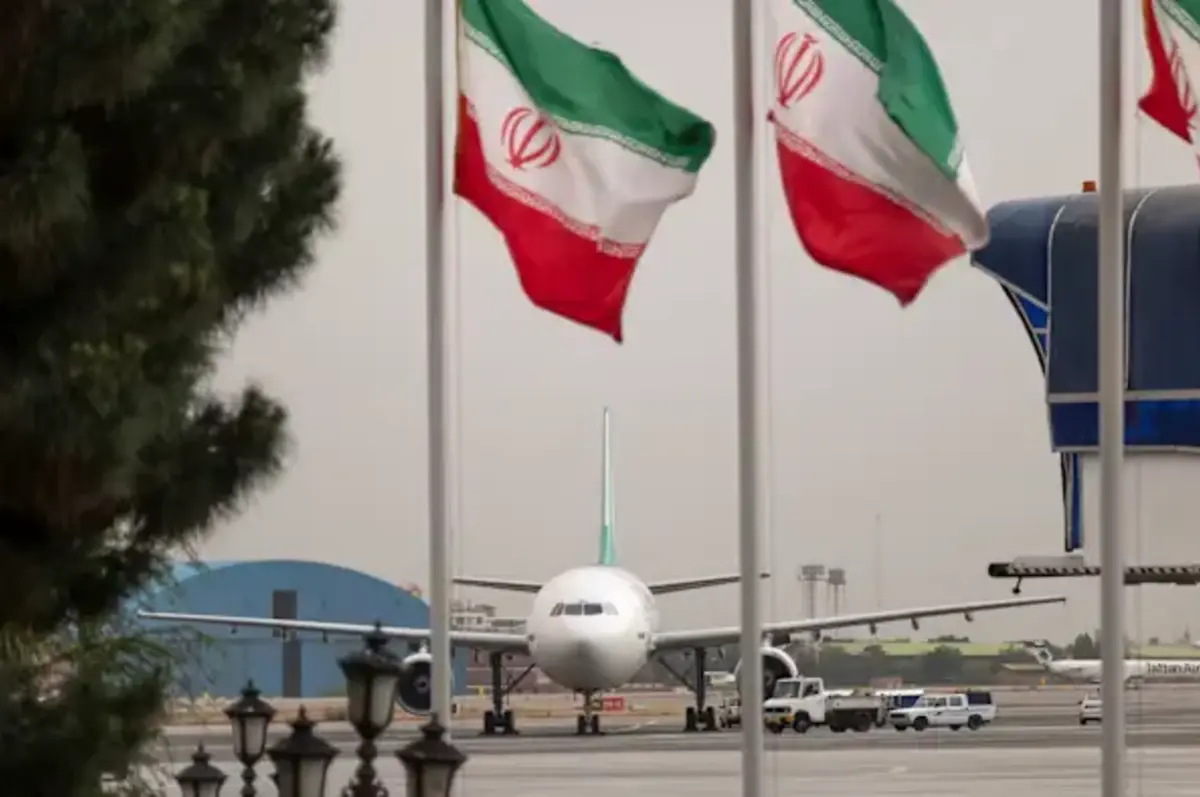

Trump signals Iran breakthrough ‘over next week’ on ceasefire, Hormuz reopening

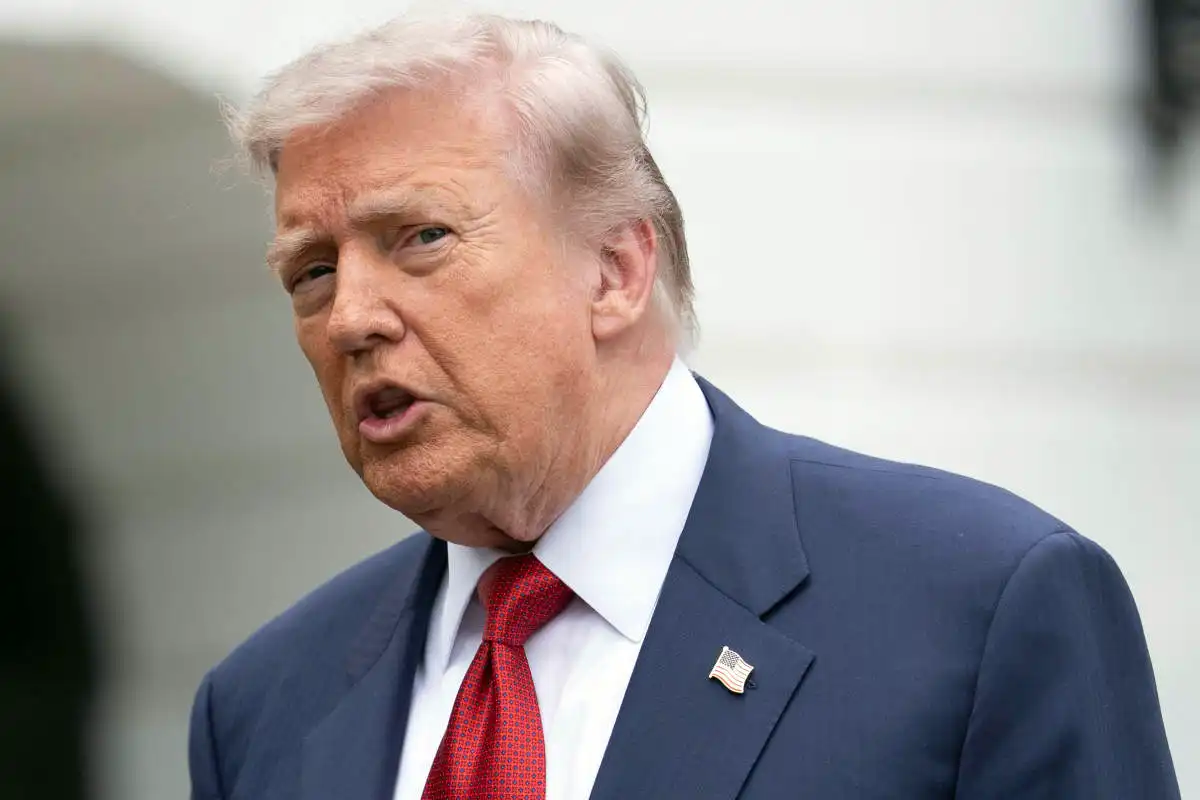
Donald Trump has made his most optimistic public statement yet on the Gulf crisis, telling ABC News that a deal to reopen the Strait of Hormuz and extend the Iran ceasefire could be reached within seven days.
The declaration lands at a diplomatically charged moment — and raises as many questions as it answers.
What Trump Actually Said
Speaking to ABC News, Trump expressed confidence that negotiations with Iran over ceasefire extension and Strait of Hormuz reopening were on track for a near-term agreement. He acknowledged that outstanding points still require discussion before any document is signed, but framed the diplomatic option as firmly alive.
He described a potential peace agreement as potentially larger than any military victory — a striking concession from a president whose administration has conducted strikes on Iranian territory within the past week while simultaneously claiming ceasefire compliance.
Trump also acknowledged that the situation had become complicated by Israeli military operations in southern Lebanon, but insisted he had moved quickly to stabilize the situation — including, he claimed, personally preventing Israeli Prime Minister Benjamin Netanyahu from launching a major strike on Beirut.
The Beirut Intervention Claim
The assertion that Trump stopped Netanyahu from striking Beirut is the single most consequential detail in his ABC News interview — and the one that has received the least scrutiny.
If accurate, it suggests that Israeli military ambitions in this conflict extend significantly beyond what has already been executed, and that American restraint on Israeli action is an active and ongoing diplomatic variable rather than a settled matter. It also implies that without direct American intervention, the conflict could escalate dramatically in directions that would make any Iran ceasefire framework irrelevant.
If the claim is exaggerated or constructed for domestic political effect, it raises questions about the reliability of Trump’s broader optimism regarding the Iran timeline.
Either way, the statement deserves far more examination than it has received.
One Week — A Timeline That Demands Accountability
Trump’s one-week prediction is politically significant precisely because it is specific. Vague optimism about diplomatic progress is standard presidential language. A concrete seven-day timeline creates a measurable commitment that journalists, markets, and foreign governments will track in real time.
Energy markets responded immediately. Oil prices, which had spiked on Strait of Hormuz closure fears, pulled back on Trump’s comments — reflecting the enormous economic stakes riding on whether his confidence is justified or performative.
If no deal materializes within the stated timeframe, the credibility cost extends beyond Trump personally. It affects the entire diplomatic architecture that Pakistan, Qatar, China, and Oman have invested significant political capital in constructing.
What “Outstanding Points” Might Mean
Trump’s acknowledgment that certain points still require discussion before signing is the phrase that experienced diplomats will focus on most carefully. In the context of US-Iran negotiations, the gaps between the two sides on core issues — Iranian nuclear enrichment levels, sanctions relief sequencing, security guarantees against future American unilateral withdrawal, and Iranian military posture in the Gulf — are not minor technical details.
Each of these issues has collapsed previous negotiating frameworks. The 2015 JCPOA, painstakingly assembled over years of multilateral diplomacy, was unilaterally abandoned by Trump’s own first administration in 2018. Tehran’s institutional memory of that withdrawal shapes every calculation Iranian negotiators bring to the current table.
Any framework Iran signs must contain provisions robust enough to survive future American political cycles — a requirement that structural American treaty-making limitations make genuinely difficult to guarantee.
The Hormuz Reopening as Economic Lever
The specific framing of Strait of Hormuz reopening as a central deal element reveals the economic pressure driving American urgency. The strait’s partial or threatened closure has already affected global oil prices, shipping insurance rates, and energy security calculations across Asia.
Japan, South Korea, India, and China — the world’s largest oil importers — are watching this negotiation not as distant observers but as directly affected parties whose energy costs fluctuate with every development. American credibility as a guarantor of Gulf shipping security is itself on the line, separate from the bilateral Iran diplomacy.
Trump understands that reopening Hormuz is a deliverable he can point to domestically and internationally as a concrete achievement. That understanding shapes both the urgency of his timeline and the political value he assigns to the deal.
Optimism Versus Architecture
The gap between presidential optimism and diplomatic architecture is where most Middle East peace processes have historically collapsed. Trump’s confidence may reflect genuine progress in back-channel negotiations through Qatari and Omani intermediaries. It may reflect a negotiating tactic designed to pressure Iran into accelerating concessions under a public deadline. It may reflect the particular optimism of a president who believes his personal dealmaking capacity can compress timelines that professional diplomats consider unrealistic.
What it cannot reflect is certainty — because the variables that determine whether this deal closes in seven days, seven weeks, or not at all include Iranian domestic politics, Israeli military decisions, and regional dynamics that no single American president fully controls.
The Week That Will Define the Gulf’s Direction
Trump has set a clock. The next seven days will either validate his confidence and deliver a framework that stabilizes the Gulf, or expose the gap between dealmaker rhetoric and diplomatic reality in one of the world’s most consequential negotiating environments.
Markets are watching. Tehran is calculating. Netanyahu is being restrained — at least for now. And the Strait of Hormuz, through which a fifth of the world’s oil supply passes daily, remains the prize that makes everyone at the table desperate enough to try.
Catch all the World News, Breaking News Event and Trending News Updates on GTV News
Join Our Whatsapp Channel GTV Whatsapp Official Channel to get the Daily News Update & Follow us on Google News.
Must Read
World
AFF Claims Seizing Taliban Checkpoints During Clashes in Afghanistan’s Nuristan
27-September،2026
Pakistan
Dera Ismail Khan Blast: Funeral Prayers Held for Three Martyrs With Official Honors
27-September،2026