
Gulf Crisis Becomes Pakistan’s Maritime Opportunity; Gwadar Ports See Surge in Global Shipping Traffic

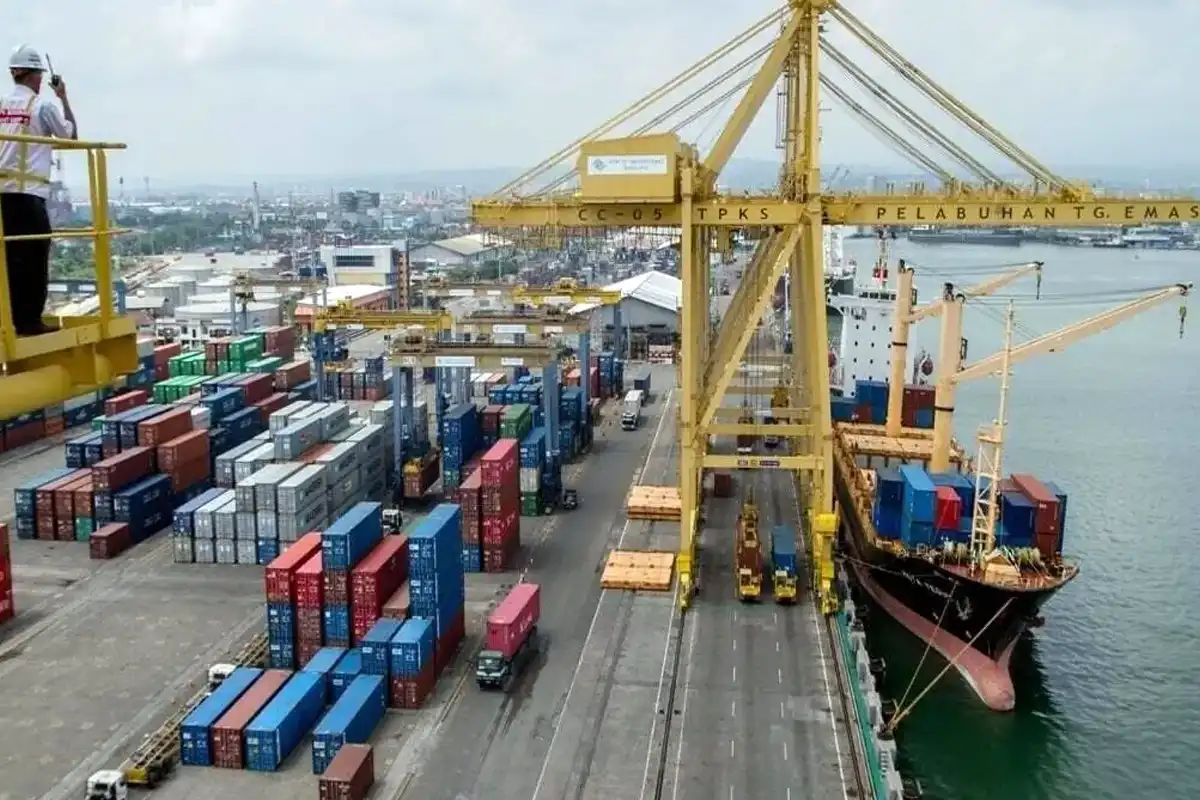
When regional conflict disrupts established trade routes, geography becomes strategy — and Pakistan’s ports are suddenly the most attractive alternative in the Indian Ocean.
The US-Iran military confrontation in the Gulf has triggered an unexpected and significant shift in global shipping patterns, with major international carriers rerouting cargo through Pakistan’s ports. Karachi and Gwadar are experiencing a surge in commercial activity that maritime experts say could permanently reshape Pakistan’s role in global trade logistics.
The Immediate Numbers at Karachi
Hutchison Ports Pakistan reports that new international cargo is already arriving via multiple vessels. Two large ships have docked at Karachi, with a third expected within the first week of June. The Hutchison terminal in Karachi will handle 4,000 new transshipment cargo units from this initial wave — pushing total cargo volume beyond 14,300 units by March 2026, according to Arab News.
These aren’t courtesy calls. Global shipping companies are making structural rerouting decisions, and Pakistan is emerging as the preferred safe-harbor alternative to Gulf chokepoints.
Gwadar’s 30 Percent Activity Jump
Gwadar Port — long discussed as a strategic asset with unrealized potential — is seeing concrete, measurable results. Maritime authorities report commercial activity has jumped from 20 percent utilization to 30 percent, a 50 percent relative increase driven directly by Gulf route disruptions.
To accelerate this momentum, Pakistani authorities have introduced aggressive fee reductions designed to make Gwadar competitively irresistible. Berthing fees have been slashed by 25 percent, transshipment cargo charges reduced by 40 percent, and transit cargo charges cut by 31 percent — a pricing restructure that signals serious intent to capture long-term shipping relationships, not just crisis-driven traffic.
Why This Moment Is Structurally Different
Previous discussions about Pakistan’s maritime potential remained largely theoretical. CPEC’s first phase built infrastructure but struggled to attract the commercial volumes that would justify it economically. The Gulf crisis has done in weeks what years of diplomatic outreach couldn’t — forced global logistics companies to actually test Pakistani port capacity under real operational conditions.
First impressions in shipping are sticky. Carriers that reroute through Karachi and Gwadar now will evaluate infrastructure, turnaround times, customs efficiency, and connectivity. If the experience is positive, rerouting becomes permanent diversification strategy rather than temporary crisis management.
The CPEC 2.0 Connection
Pakistani authorities are explicitly linking this maritime surge to CPEC 2.0 ambitions — positioning the country as the region’s dominant trade and logistics hub. The timing creates a rare alignment: external demand shock meets internal investment cycle, with Chinese infrastructure already in place to handle expanded volumes.
The Gwadar-to-Central Asia corridor gains particular relevance here. Landlocked Central Asian economies — Kazakhstan, Uzbekistan, Tajikistan — have long needed a reliable southern maritime outlet. A proven, competitively priced Gwadar offers exactly that.
The Risk Pakistan Must Manage
Opportunity and vulnerability arrive together. Pakistan’s ports need to demonstrate consistent performance — reliable turnaround, transparent pricing, and security guarantees — to convert crisis traffic into permanent commercial relationships. Infrastructure bottlenecks between Gwadar and inland distribution networks remain a real constraint that fee reductions alone cannot solve.
The Gulf crisis created the opening. Only operational excellence will keep it.
Catch all the Pakistan News, Breaking News Event and Trending News Updates on GTV News
Join Our Whatsapp Channel GTV Whatsapp Official Channel to get the Daily News Update & Follow us on Google News.
Must Read
World
AFF Claims Seizing Taliban Checkpoints During Clashes in Afghanistan’s Nuristan
27-September،2026

Pakistan
Dera Ismail Khan Blast: Funeral Prayers Held for Three Martyrs With Official Honors
27-September،2026