
Indian Govt Seeks Time to Respond to Youth Protesters’ Resignation Demand

Indian Govt Seeks Time to Respond to Youth Protesters’ Resignation Demand
Leaders of India’s youth-led “cockroach” movement said on Friday that the government had asked for more time to respond to their demand for Education Minister Dharmendra Pradhan’s resignation over exam paper leaks.
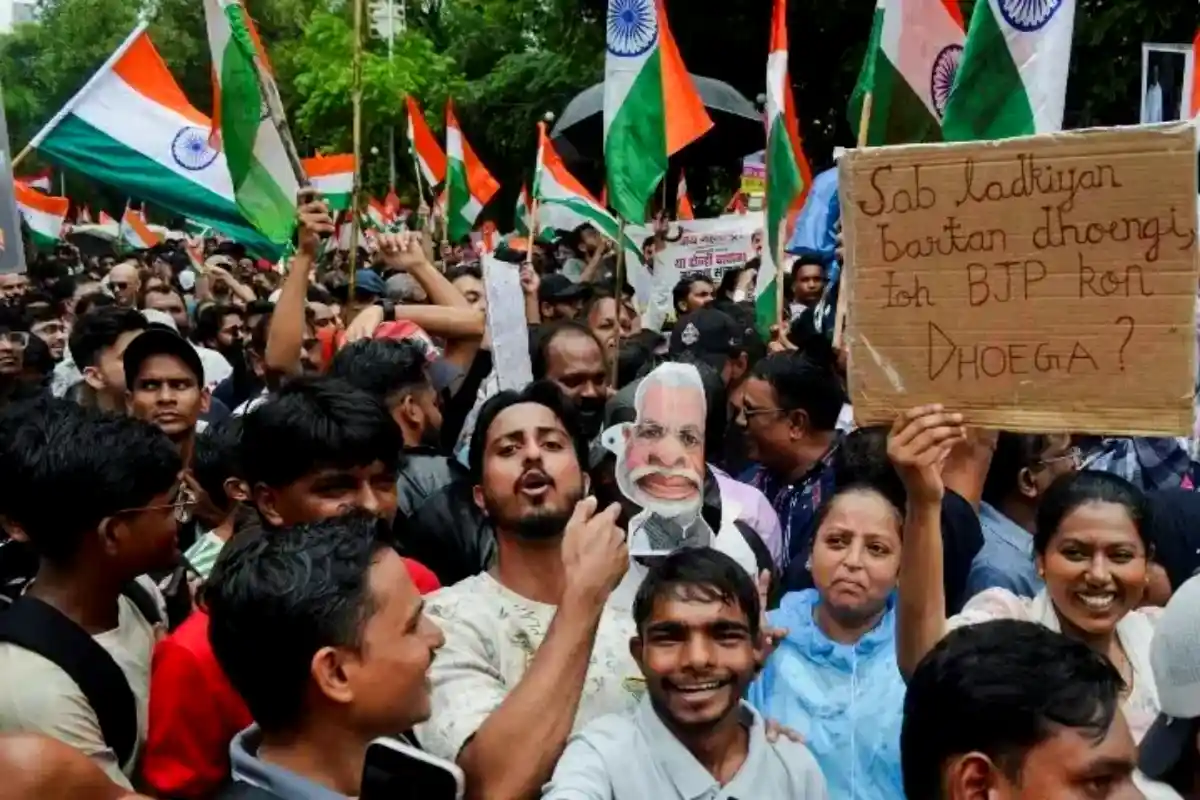
The talks took place after activist Sonam Wangchuk ended his 26-day hunger strike. The move raised hopes of progress as tens of thousands of young protesters gathered in Delhi this week, demanding the minister’s resignation.
The protests are seen as the biggest youth challenge to Prime Minister Narendra Modi since he came to power in 2014. Opposition parties have also supported the protesters’ demands and disrupted the ongoing parliament session.
Friday’s talks were held between senior federal ministers JP Nadda and Jitendra Singh and representatives of the Cockroach Janta Party (CJP) youth movement, Saurav Das and Ashutosh Ranka.
The CJP leaders said they made it clear that nothing would be acceptable without Education Minister Dharmendra Pradhan’s resignation. They also warned that protests could spread if the demand was not accepted.
“The government has asked for time until tomorrow afternoon to respond on this point (the resignation),” Ranka told reporters. “We hope the government will dismiss Dharmendra Pradhan at the earliest, or that he will resign, so that we can bring this matter to a conclusion.”
Minister Nadda described the talks as cordial and said the protesters had three main demands. He added that the government would meet them again on Saturday afternoon to discuss their demands.
Besides demanding Pradhan’s resignation, the CJP is seeking the withdrawal of police cases against protesters and compensation for the families of more than a dozen students who reportedly died by suicide after an exam paper was leaked in May.
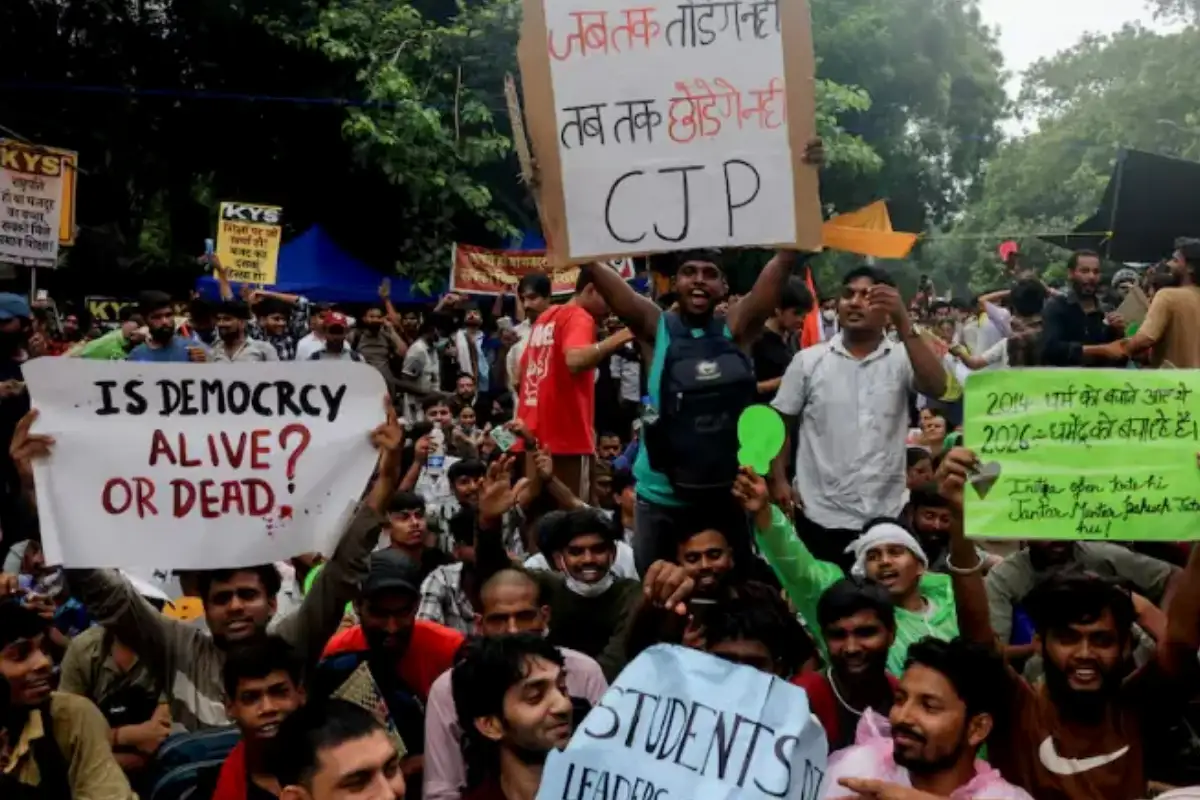
Thousands of protesters continued to gather at Jantar Mantar in central Delhi. Demonstrations were also reported in West Bengal, Telangana, Karnataka and Tamil Nadu, where students, youth activists and opposition supporters demanded Pradhan’s resignation.
Parliament was again disrupted on Friday as opposition lawmakers joined calls for the education minister to step down. No parliamentary business was conducted during the entire week.
The CJP protests initially started as an online satire movement with only a few hundred young people. However, the movement later gained millions of online followers after a national medical school entrance test was cancelled in May because of a leaked question paper, affecting around 2 million students.
Tens of thousands of protesters later marched towards parliament on Monday despite a ban and clashed with police, who used tear gas and batons to stop them.
The growing movement reflects wider concerns among young Indians about unemployment and repeated exam leaks, analysts say. The Delhi Metro Rail Corp. closed 17 stations in and around central Delhi on Friday, while the government extended a mobile internet shutdown in the area until midnight.
The protests come as youth-led street movements in neighbouring Sri Lanka, Bangladesh and Nepal have recently played a role in bringing down governments. Although India’s next national election is not due until April 2029, several important states will hold elections next year, and growing anti-government sentiment could have an impact.
Catch all the World News, Breaking News Event and Trending News Updates on GTV News
Join Our Whatsapp Channel GTV Whatsapp Official Channel to get the Daily News Update & Follow us on Google News.
Must Read
Pakistan
Development Activities Continue Under Balochistan Special Development Initiative
10-October،2026