
Israel-Lebanon Ceasefire Agreed With Hard Conditions – Hezbollah Withdrawal, No Non-State Forces South of Litani

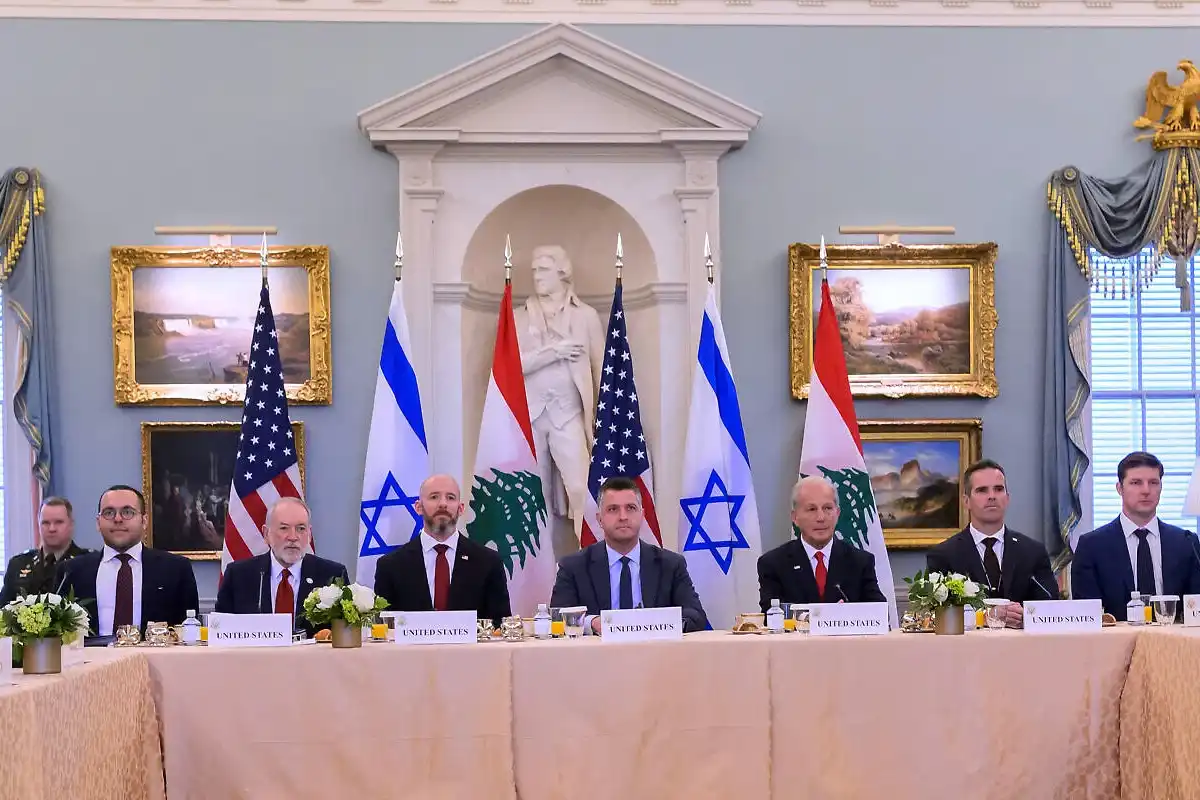
Washington has brokered a ceasefire framework. But the hardest part — implementation — hasn’t started yet.
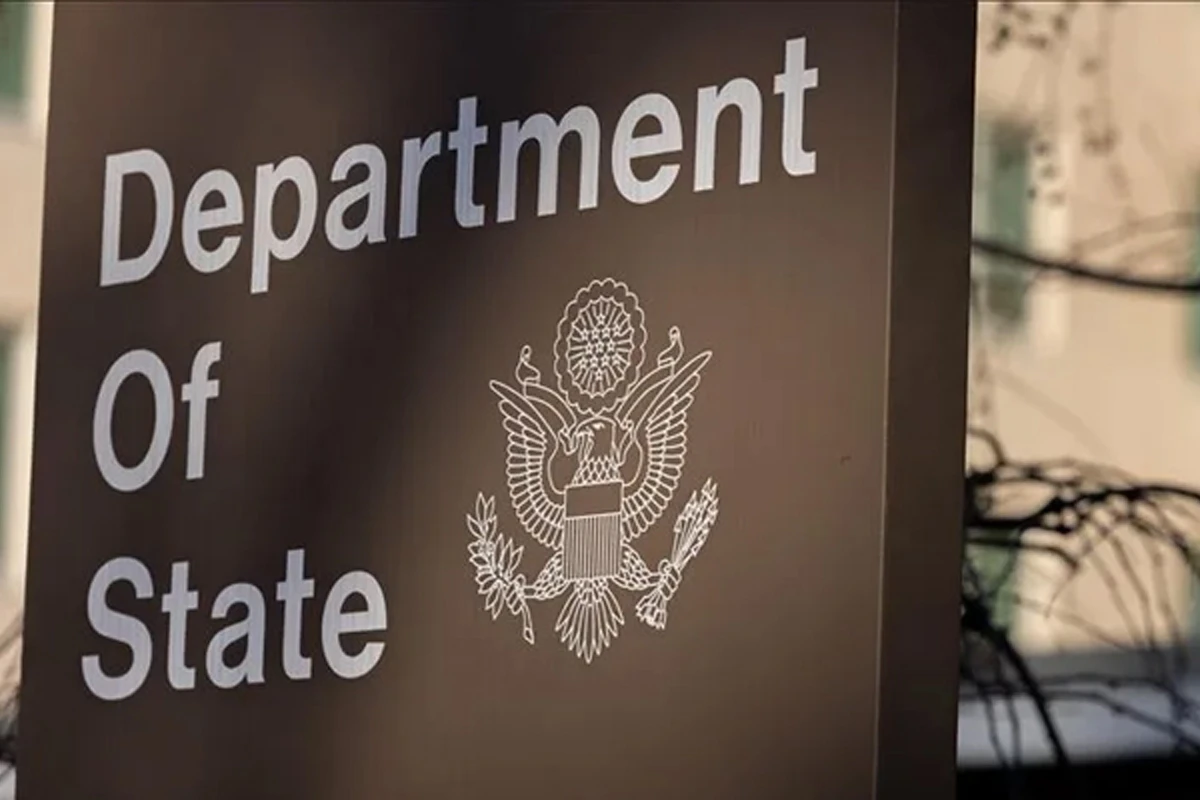
The US State Department has announced that Israel and Lebanon have agreed to implement a ceasefire under strict conditions, including a complete halt to all Hezbollah attacks and the withdrawal of Hezbollah fighters from southern Lebanon up to the Litani River. The agreement represents the most structured ceasefire framework in the Lebanon conflict since escalation began — but its durability hinges entirely on whether its most demanding provisions can actually be enforced.
The Core Conditions
The framework rests on several non-negotiable terms that go significantly beyond a simple halt to hostilities.
Hezbollah must completely cease all attacks — not reduce them, not pause them, but end them entirely. The agreement then requires physical withdrawal of all Hezbollah fighters from the zone between the Litani River and the Israeli border — territory that Hezbollah has occupied as its operational base for decades and views as strategically essential to its deterrence posture.
The framework further stipulates that no non-state actor will be permitted to remain in or control that southern buffer zone. Lebanon’s sovereign government and military — not Hezbollah — will exercise authority over the cleared territory.
America’s Role: Backing Lebanese State Authority
Washington has committed to actively supporting the Lebanese Armed Forces in assuming control of the areas vacated under the agreement. This represents a direct US investment in Lebanese state sovereignty — and an implicit acknowledgment that Hezbollah’s presence in southern Lebanon has, until now, substituted for that state authority.
The US support mechanism for the Lebanese military will be critical. Without capable, resourced Lebanese Armed Forces filling the vacuum Hezbollah leaves behind, the withdrawal provisions collapse into theoretical commitments rather than ground realities.
The Sovereignty Clause
One of the agreement’s most significant elements is its explicit sovereignty provision — all parties have confirmed that Lebanon’s future will be determined by its sovereign government alone, with no external state or non-state actor permitted to hold Lebanon’s political trajectory hostage.
This language is directed simultaneously at Hezbollah’s domestic political influence, Iran’s proxy relationship with the organization, and implicitly at Israel’s ongoing military presence in southern Lebanese territory. It establishes a principle while leaving enforcement mechanisms deliberately vague.
June 22: The Next Deadline
Both parties will reconvene on June 22 to negotiate a comprehensive agreement — suggesting the current framework is a ceasefire architecture rather than a final settlement. The 18-day window between now and that meeting is the implementation test: whether Hezbollah withdraws, whether Israeli forces respect the halt, and whether Lebanon’s army can actually deploy into the cleared zones.
The Critical Silence
Hezbollah has issued no public statement on the agreement. That silence is itself significant. An organization that routinely communicates through official channels when it wants to signal acceptance has said nothing — neither endorsing the withdrawal terms nor rejecting them publicly.
Hezbollah’s operational compliance with the Litani withdrawal condition is the single variable that determines whether this ceasefire holds or collapses within days of announcement.
What Success Would Mean
A functioning ceasefire with genuine Hezbollah withdrawal from southern Lebanon would simultaneously advance three of Washington’s regional objectives — reducing Iranian proxy military pressure on Israel’s northern border, creating conditions for US-Iran nuclear talks to proceed, and demonstrating that American diplomatic leverage can produce measurable ground outcomes.
It would also remove Iran’s Lebanon precondition from the nuclear negotiation framework — potentially unlocking the four-phase deal structure Tehran has proposed.
The architecture is sound. The question, as always in Lebanon, is whether the parties on the ground will build within it.
Catch all the World News, Breaking News Event and Trending News Updates on GTV News
Join Our Whatsapp Channel GTV Whatsapp Official Channel to get the Daily News Update & Follow us on Google News.
Must Read

Entertainment
Who Was Kevin Keegan? Football Icon Dies at 75, Prince William and Fans Mourn
21-July،2026