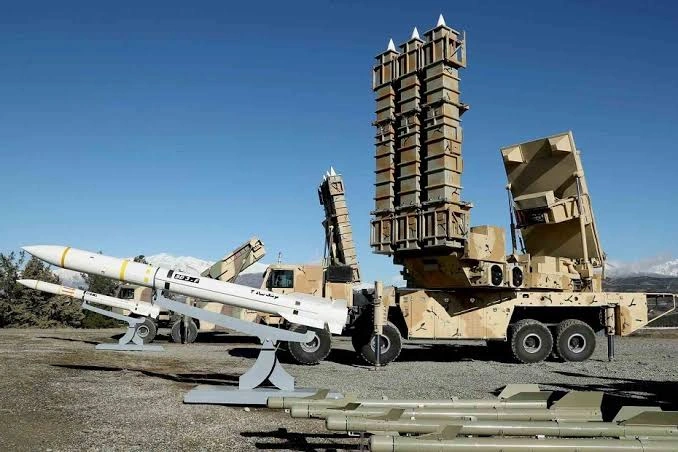

Trump’s Private Red Line: American Casualties Would End Iran Ceasefire, WSJ Reports


Trump Claims Iran Requested Talks to Avoid Major US Strike
The ceasefire has a kill switch — and the Wall Street Journal just revealed what it is.
President Donald Trump has privately told senior advisers that he would consider ending the temporary ceasefire with Iran only if American military personnel are killed by Iranian forces, according to a Wall Street Journal report citing US officials. The disclosure establishes, for the first time, the specific threshold Trump has set for returning to active hostilities — and reveals a president willing to absorb significant military friction to keep diplomatic tracks alive.
The Private Red Line
According to WSJ sources, Trump has drawn a clear internal distinction between minor violent incidents — which he is prepared to tolerate — and American casualties, which he views as a ceasefire-ending trigger. This framework means Iran effectively knows the boundary: engagements that wound pride or destroy equipment will not automatically restart the war. Engagements that kill American soldiers will.
US officials confirmed that despite several weeks of smaller violent confrontations between American and Iranian forces, the broader pause in major military operations has held. Trump’s deliberate decision not to respond to these incidents with renewed large-scale strikes reflects a calculated tolerance for low-level friction in service of keeping negotiations viable.
What This Reveals About Trump’s Strategic Calculus
The policy framework WSJ describes is more disciplined than Trump’s public rhetoric typically suggests. By privately defining a specific casualty threshold rather than responding impulsively to each incident, Trump is essentially managing escalation risk through a structured internal policy — even while projecting unpredictability externally.
This approach serves two simultaneous purposes. It signals to Iran that Washington is genuinely pursuing a diplomatic off-ramp rather than manufacturing pretexts for resumed conflict. It also maintains credible deterrence by making clear that crossing the casualty line carries automatic and severe consequences.
The Risk Embedded in the Framework
Publishing or leaking this threshold — intentionally or otherwise — creates a dangerous dynamic. If Iranian hardliners, IRGC commanders, or proxy forces know exactly where the American red line sits, they have a precise map of how far they can push without triggering full ceasefire collapse. The WSJ report, sourced from US officials, has effectively handed that map to every actor in the region.
The gap between “acceptable friction” and “casualty-level incident” is also dangerously subjective in active conflict zones. A single ambiguous engagement — where attribution is contested or casualty status is unclear — could force Trump into a decision his framework was designed to defer.
Diplomatic Implications for June 22
The ceasefire’s fragility matters enormously with the comprehensive agreement talks scheduled for June 22. Any Iranian-linked incident producing American casualties in the intervening days would collapse not just the ceasefire but the entire negotiating architecture — including Iran’s four-phase framework, the Lebanon ceasefire conditions, and Hormuz normalization prospects.
Both sides have strong incentives to prevent that outcome. But incentive alignment and operational control are different things — particularly when IRGC units, Hezbollah, and various proxy forces operate with degrees of independence from Tehran’s central command.
The Broader Pattern
Trump’s willingness to absorb weeks of minor confrontations without escalating represents a significant departure from the maximalist posture his administration projected during the conflict’s peak. It suggests the economic pressure — Moody’s recession warnings, depleted strategic petroleum reserves, energy price thresholds — is doing what military analysts said it would: creating presidential incentives for de-escalation that override hawkish adviser preferences.
The ceasefire is holding. The red line is now public. And the next three weeks before June 22 will test whether all parties can navigate to a comprehensive agreement without crossing it.
Catch all the World News, Breaking News Event and Trending News Updates on GTV News
Join Our Whatsapp Channel GTV Whatsapp Official Channel to get the Daily News Update & Follow us on Google News.
Must Read
Pakistan
Four Terrorists, Including Afghan National Ubaidullah Saad, Killed in Kurram Operation
11-September،2026