
AJK Deserves Solutions, Not Perpetual Agitation

AJK Deserves Solutions, Not Perpetual Agitation
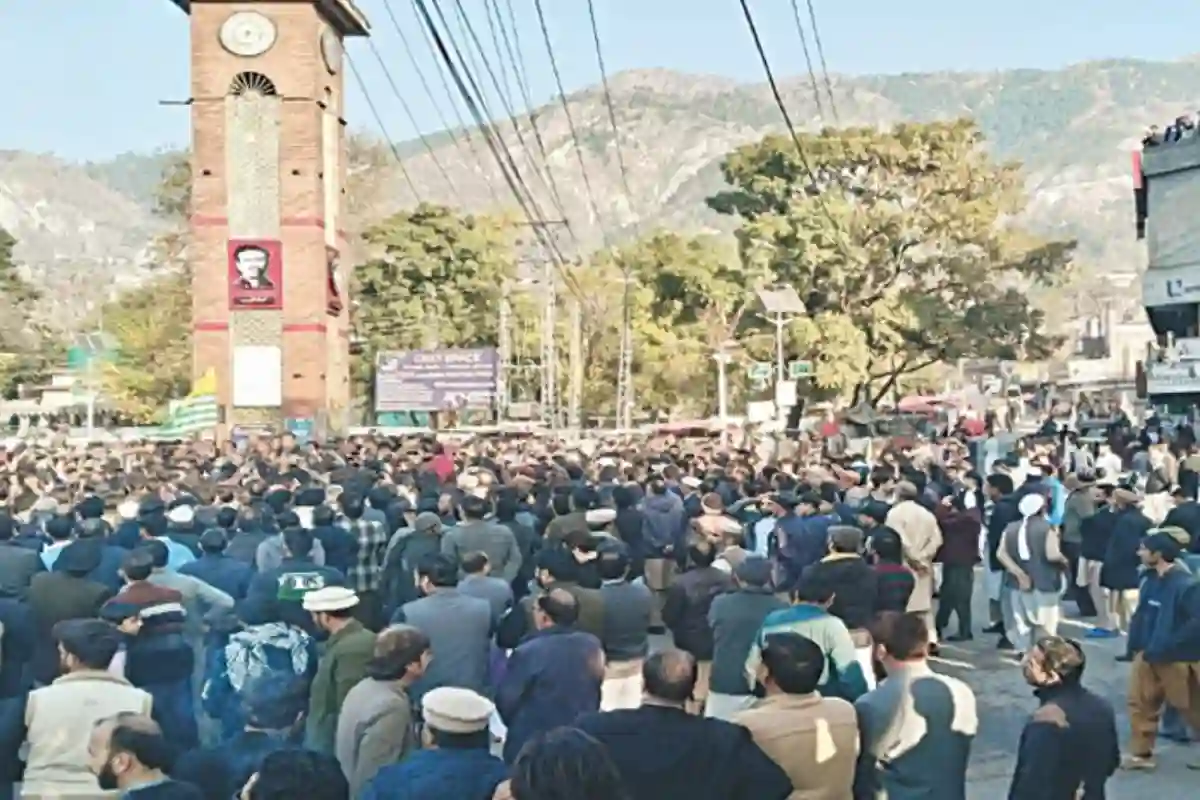
The Joint Awami Action Committee’s (JAAC) refusal to suspend its protest campaign despite engagement from one of the most senior political delegations ever assembled on the Azad Jammu and Kashmir (AJK) issue has raised serious questions about whether the movement prioritises resolution or prolonged agitation.
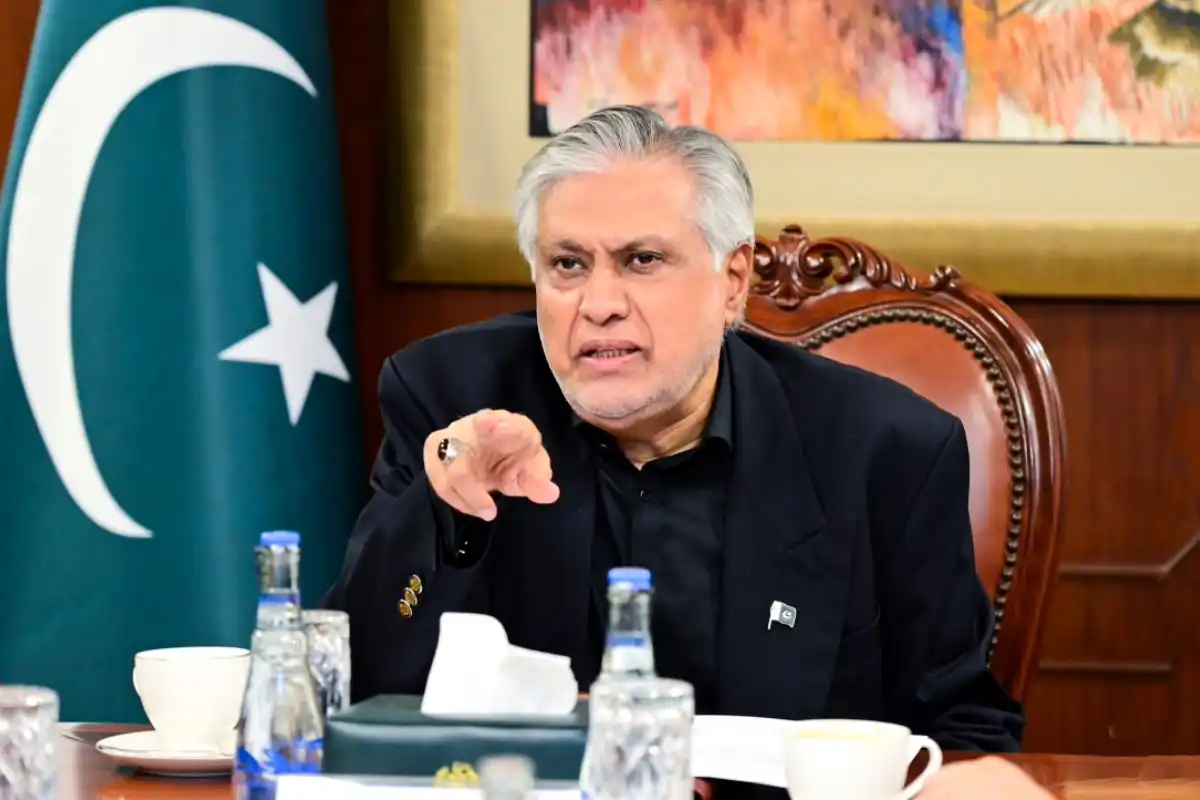
The federal delegation included Ahsan Iqbal, Tariq Fazal Chaudhry, Rana Sanaullah, Qamar Zaman Kaira, Raja Pervez Ashraf, Shah Ghulam Qadir, Tariq Farooq, the Prime Minister of AJK, and Chaudhry Yasin — a broad cross-party assembly that signalled genuine political will to address AJK’s longstanding grievances.
Of the 38 demands formally presented by JAAC, 35 have already been accepted by the government. Framing the negotiations as a failure under these circumstances is widely considered misleading. The three outstanding demands touch on fiscal policy, constitutional arrangements, and political consensus — matters that cannot realistically be settled through street pressure or ultimatums.
“The true measure of any movement is not how many marches it organises, but how effectively it improves the lives of the people it claims to represent.”
The financial context is critical. AJK generates approximately PKR 60 billion in annual revenue while operating a budget exceeding PKR 300 billion. The Government of Pakistan bridges this gap by contributing roughly PKR 240–250 billion annually, making fiscal realism essential in any discussion around taxation or the proposed abolition of Advance Tax.
Pakistan’s support extends well beyond budget transfers. Over 63,000 refugees displaced from the region since 1989 receive direct monthly stipends funded by the federal government, amounting to approximately PKR 15 billion per year — a commitment that underscores the depth of Islamabad’s obligations to AJK’s displaced population.
On the matter of elite privileges, the federal delegation expressed openness to examining reforms and rationalisation measures. However, meaningful progress on such issues requires structured engagement and concrete proposals — not broad political slogans.
The demand to alter the 12 refugee seats in AJK’s assembly is a constitutional matter. These seats represent refugees from Indian-occupied Jammu and Kashmir, and any modification requires broad political consensus and formal legislative procedure — not resolution through protest mobilisation. Comparisons between AJK’s refugee representation and conditions in Indian-occupied Jammu and Kashmir are factually unfounded; the two situations carry entirely different legal and political contexts.
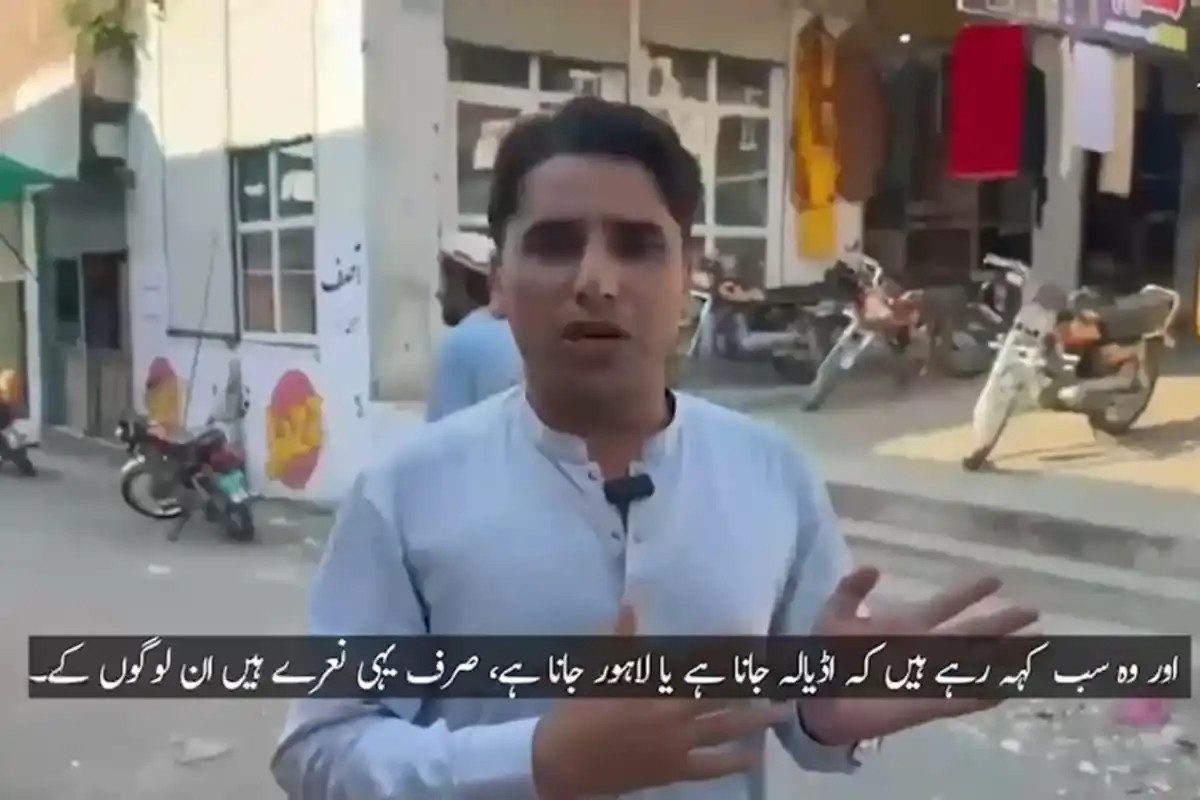
Political analysts and civil society voices have increasingly called on the people of AJK to support dialogue over confrontation. When active negotiations are underway and substantial concessions have already been made, continued escalation is seen as serving political interests rather than public welfare.
Citizens are urged to demand transparency from all parties, evaluate demands on their fiscal and constitutional merits, and reject any course of action that risks economic disruption, law-and-order deterioration, or unnecessary instability in everyday life.
AJK’s long-term future, observers note, lies in responsible politics, constitutional processes, and solutions-oriented leadership — not in perpetual agitation after the overwhelming majority of public demands have already been addressed.
Catch all the Pakistan News, Breaking News Event and Trending News Updates on GTV News
Join Our Whatsapp Channel GTV Whatsapp Official Channel to get the Daily News Update & Follow us on Google News.
Must Read
World
Iranian Guards Official Calls Trump a ‘big liar’ Over Nuclear Claims and Hormuz
29-September،2026
Pakistan
OGDCL, PINSTECH sign agreement to assess lithium, rare earth potential in produced water
29-September،2026